The co-optation of Brazilian students who commute daily to the Paraguay to study medicine at universities in the Ciudad del Este region, an educational hub that attracts young people from all over Brazil, has attracted the attention of customs inspection in Foz do Iguaçu (PR).
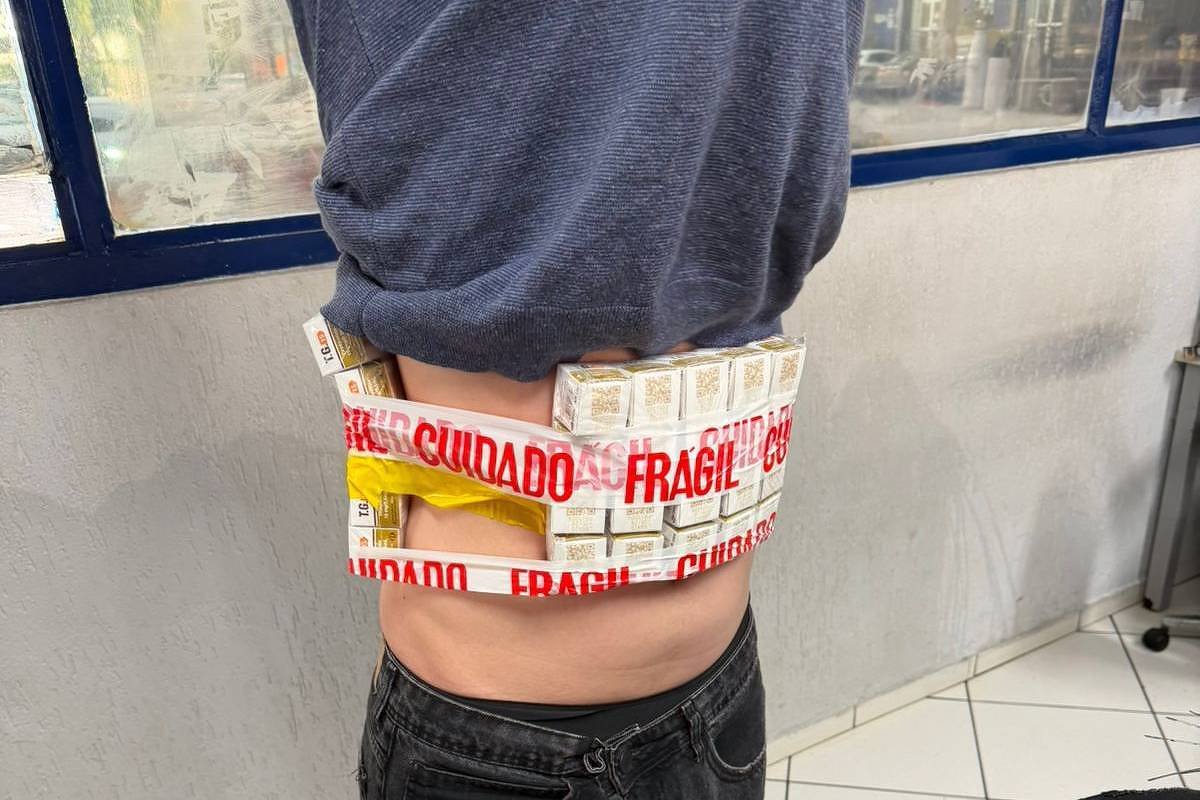
College students have been used by crime to smuggle slimming pens Paraguayans to Brazil. On the 25th, a student was arrested when he tried to enter the country with medicines stuck to his body with adhesive tape.
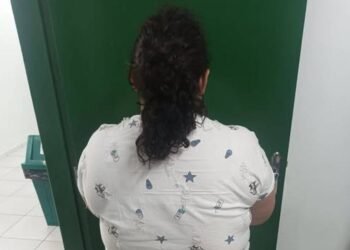
He and a colleague, also a medical student, were arrested with 200 boxes of 15 mg tirzepatide manufactured in the neighboring country, each box containing four ampoules. The woman carried the medicines in a coat, inside a bag.
Each box, which contains four ampoules, It costs around R$430 in Paraguayan pharmacies —the pair, therefore, transported approximately R$86,000 worth of medicines. In Brazil, Mounjaro (tirzepatide) in the same dosage is sold for R$3,499.
The students were in a Paraguayan taxi that would take them from Ciudad del Este to a parking lot on the banks of BR-277, the highway that connects Foz do Iguaçu to Curitiba, when they were approached by Federal Revenue agents on the Ponte da Amizade.
They were taken to the Federal Police, and the Paraguayan taxi driver was released.
Head of Brazilian customs at Ponte da Amizade, Daniel Messias Linck states that what has been happening is also a reflection of a lack of information.
“The population as a whole does not consider it illegal to bring weight-loss pens from Paraguay, they do not see it as smuggling, so you see that there are many ordinary people smuggling. There is a strong attraction of medical students, because there are many medical students here, a lot.”
While last year 7,479 pens and ampoules of Paraguayan tirzepatide were seized in Foz, this year the inspection has already seized 71,860 units, 860.8% more, according to the Federal Revenue Service.
It is possible to study medicine in private Paraguayan institutions for prices well below those charged by Brazilian universities. In Paraguay, monthly fees are around R$2,000, compared to installments that exceed R$10,000 in national institutions.
Data from the Ministry of Foreign Affairs indicate that in 2025 Paraguay had 43 medical schools authorized by the country’s higher education council, of which 23 were accredited.
The estimate is that 3 in every 4 enrolled in medical courses in the neighboring country are Brazilians — around 35 thousand, out of a total of 45 thousand students. After completing the course, they need to pass the Revalida (National Exam for the Revalidation of Medical Diplomas) to practice their profession in Brazil.
These university students are part of the so-called “smuggling ants”, who cross the border with small quantities of medicines. Once on the Brazilian side, the slimmers are placed in vehicles — or trailers — to then supply the illegal market in the country.
In February, a Brazilian who was studying medicine in Ciudad del Este was arrested on a highway transporting 462 weight-loss pens from Paraná to Campinas, in the interior of São Paulo. He would receive R$6,000 for transporting the medicines, according to the police.
The main destination for Paraguayan pens that enter Brazil through Foz do Iguaçu is the state of São Paulo, in addition to Paraná itself, Minas Gerais and Rio de Janeiro.
The presence of students in medicine smuggling is not exclusive to Foz do Iguaçu and also occurs in other regions of the country. In January, a medical student in Pedro Juan Caballero, Paraguay, was detained in Maracaju (MS) with 134 weight loss products from the same brands commonly seized in Foz.
The following month, another medical student was detained in Almirante Tamandaré (PR) on suspicion of selling and advertising weight-loss pens from Paraguay on social media.
The report also spoke to two Brazilian university students studying medicine in Paraguay. They said they had colleagues who had already brought ampoules of tirzepatide to Brazil, but with the aim of selling them on their own to help pay monthly fees or have extra income. In the neighboring country there is no retention of medical prescriptions, sales are free.
Upon arrival in Brazil via the Friendship Bridge, a bright panel at customs repeats all day to pedestrians and drivers the message banning the entry of Paraguayan weight-loss pens into the country, which does not inhibit the growth of this type of illegal trade.
At the moment when the Sheet was on the bridge that connects the two countries, two Paraguayan women had the approximately 200 ampoules of tirzepatide they were carrying with them seized by PF and Revenue agents. The medicine was hidden among other products they brought from Paraguay, such as cigarettes.
“All smuggling follows an economic truism, it’s an inescapable logic. You have the possibility of offering products at cheaper prices in Brazil and, as you don’t pay taxes, you don’t meet any technical standards, whether from Anvisa, it doesn’t matter. This is the tradition of decades of illicit trade in Paraguay”, says Edson Vismona, president of the FNCP (National Forum against Piracy and Illegality).
Manufacturer of Mounjaro, pharmaceutical company Eli Lilly states that when products claiming to contain tirzepatide circulate outside authorized channels and the regulated distribution chain, there is no guarantee that safety requirements have been met.
The company also says that Paraguayan products have not been evaluated or approved by Anvisa, have not undergone the clinical studies and controls required by Brazilian legislation and that their use could mean “a serious risk to health of patients.”
“Tirzepatide requires temperature control throughout the supply chain, with rigorous storage, transportation and handling conditions to preserve quality, safety and efficacy,” says the company.