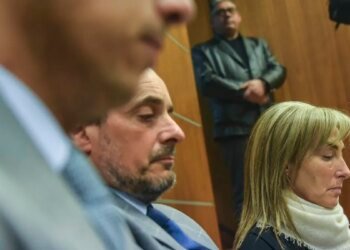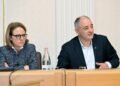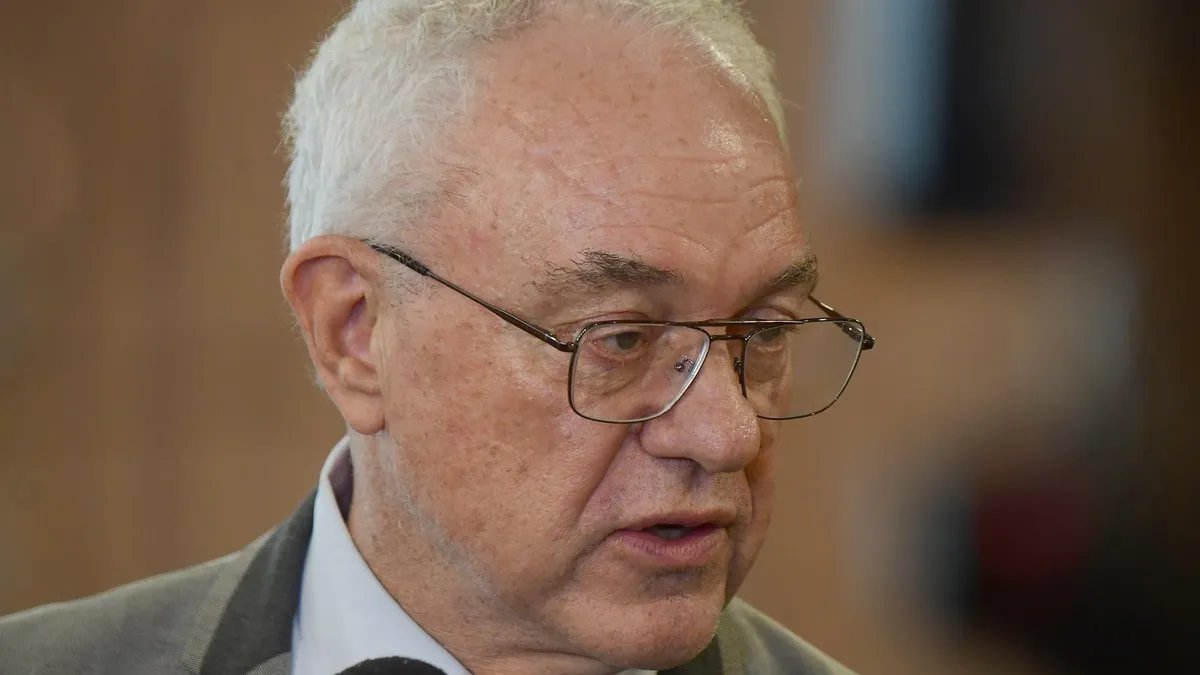
The Chancellor of the Republic, Mario Lubetkindelivered this Monday to Parliament the document of the agreement between Mercosur and the EFTA. The document was delivered to the vice president of the Republic and president of the General Assembly, Carolina Cosse.
The EFTA (European Free Trade Association) is made up of four countries: Iceland, Norway, Switzerland and Liechtenstein.
“Luckily we are getting used to good things and not only to the problems,” said the chancellor in a press conference after the meeting.
Lubetkin described the EFTA bloc as four countries that are not part of the European Union (EU) but have “a very high level of consumption” and “very high quality control levels“.
These four countries, added the chancellor, do not have a “customs agreement between them” and each one has different interests in the products that Mercosur can offer. For example, Liechtenstein and Switzerland are interested in “fruit, juices, grains and legumes”, while Norway is interested in “olive oil, beverages, energy (biodiesel)” and Iceland “raises the case for meat”.
Before delivering the document to Parliament, the chancellor spoke in Informal Breakfasts (Channel 12) and announced that the agreement is “practically the same” to that reached with the EU.
“What opens up to us are four more markets”he pointed out, and recalled that with the agreement with the EU another “27 markets” were opened.
“I think we are going to have to change the perception of how we saw the fact of saying where we placed the product. The central question that we are going to have from now on in the coming years is what products we place and not if we have the market“, held.
According to the chancellor, through this new agreement the “first phase of signatures” that they carried out during 2025.
“We have 31 countries in front of us. Let’s put it as an exercise: we have difficulty placing eggs in the 27, well, we have 4 more countries to place at 0 tariff. That is the definition of the game at stake“he explained.
It is planned that the analysis of the agreement will be carried out under conditions similar to those of the alliance between Mercosur and the EU.