Thursday, June 4, 2026
    The GeoStrategic Consensus
    No Result
    View All Result
    • Login
    • HOME
    • AMERICAS
      • Argentina
      • Brazil
      • Canada
      • Chile
      • Colombia
      • Costa Rica
      • Cuba
      • Dominican Republic
      • Ecuador
      • El Salvador
      • Greenland
      • Guatemala
      • Honduras
      • Mexico
      • Nicaragua
      • Panama
      • Paraguay
      • Peru
      • United States
      • Uruguay
      • Venezuela
    • ASIA-PACIFIC
      • Australia
      • Brunei Darussalam
      • Cambodia
      • China
      • Federated States of Micronesia
      • Fiji
      • Indonesia
      • Japan
      • Kiribati
      • Laos
      • Malaysia
      • Marshall Islands
      • Mongolia
      • Myanmar
      • Nauru
      • New Zealand
      • North Korea
      • Palau
      • Papua New Guinea
      • Philippines
      • Samoa
      • Singapore
      • Solomon Islands
      • South Korea
      • Taiwan
      • Thailand
      • Timor-Leste
      • Tonga
      • Tuvalu
      • Vanuatu
      • Vietnam
    • CARICOM
      • CARICOM – Non-English
        • Haiti
        • Suriname
      • CARICOM Associates
        • Anguilla
        • Bermuda
        • British-Virgin-Islands
        • Cayman-Islands
        • Curacao
        • Turks-and-Caicos
      • CARICOM English
        • Antigua and Barbuda
        • Barbados
        • Belize
        • Dominica
        • Grenada
        • Guyana
        • Jamaica
        • Montserrat
        • Saint Kitts and Nevis
        • Saint Lucia
        • Saint Vincent and the Grenadines
        • The Bahamas
        • Trinidad and Tobago
    • EURASIA
      • Armenia
      • Azerbaijan
      • Balarus
      • Georgia
      • Kazakhstan
      • Kyrgyzstan
      • Moldova
      • Russia
      • Tajikistan
      • Turkmenistan
      • Ukraine
      • Uzbekistan
    • EUROPE
      • Albania
      • Andorra
      • Austria
      • Bosnia and Herzegovina
      • Bulgaria
      • Croatia
      • Cyprus
      • Czech Republic
      • Denmark
      • Estonia
      • Finland
      • France
      • Germany
      • Greece
      • Holy See
      • Hungary
      • Iceland
      • Ireland
      • Italy
      • Kosovo
      • Latvia
      • Liechtenstein
      • Lithuania
      • Luxembourg
      • Malta
      • Monaco
      • Montenegro
      • Netherlands
      • North Macedonia
      • Norway
      • Poland
      • Portugal
      • Romania
      • San Marino
      • Serbia
      • Slovakia
      • Slovenia
      • Spain
      • Sweden
      • Switzerland
      • United Kingdom
    • MIDDLE EAST AND NORTH AFRICA
      • Algeria
      • Bahrain
      • Egypt
      • Iran
      • Iraq
      • Israel
      • Jordan
      • Kuwait
      • Lebanon
      • Lybia
      • Morocco
      • Oman
      • Palestinian Territories
      • Qatar
      • Saudi Arabia
      • Syria
      • Tunisia
      • Turkey
      • United Arab Emirates
      • Western Sahara
      • Yemen
    • SOUTH ASIA
      • Afghanistan
      • Bangladesh
      • Bhutan
      • India
      • Maldives
      • Nepal
      • Pakistan
      • Sri Lanka
    • SUB-SAHARAN AFRICA
      • Angola
      • Benin
      • Botswana
      • Burkina Faso
      • Burundi
      • Cabo Verde
      • Cameroon
      • Central African Republic
      • Chad
      • Comoros
      • Cote d’Ivoire
      • Democratic Republic of the Congo
      • Djibouti
      • Equatorial Guinea
      • Eritrea
      • Eswatini
      • Ethiopia
      • Gabon
      • Gambia
      • Ghana
      • Guinea
      • Guinea Bissau
      • Kenya
      • Lesotho
      • Liberia
      • Madagascar
      • Malawi
      • Mali
      • Mauritania
      • Mauritius
      • Mozambique
      • Namibia
      • Niger
      • Nigeria
      • Republic of the Congo
      • Rwanda
      • Sao Tome and Principe
      • Senegal
      • Seychelles
      • Sierra Leone
      • Somalia
      • South Africa
      • South Sudan
      • Sudan
      • Tanzania
      • Togo
      • Uganda
      • Zambia
      • Zimbabwe
    • HOME
    • AMERICAS
      • Argentina
      • Brazil
      • Canada
      • Chile
      • Colombia
      • Costa Rica
      • Cuba
      • Dominican Republic
      • Ecuador
      • El Salvador
      • Greenland
      • Guatemala
      • Honduras
      • Mexico
      • Nicaragua
      • Panama
      • Paraguay
      • Peru
      • United States
      • Uruguay
      • Venezuela
    • ASIA-PACIFIC
      • Australia
      • Brunei Darussalam
      • Cambodia
      • China
      • Federated States of Micronesia
      • Fiji
      • Indonesia
      • Japan
      • Kiribati
      • Laos
      • Malaysia
      • Marshall Islands
      • Mongolia
      • Myanmar
      • Nauru
      • New Zealand
      • North Korea
      • Palau
      • Papua New Guinea
      • Philippines
      • Samoa
      • Singapore
      • Solomon Islands
      • South Korea
      • Taiwan
      • Thailand
      • Timor-Leste
      • Tonga
      • Tuvalu
      • Vanuatu
      • Vietnam
    • CARICOM
      • CARICOM – Non-English
        • Haiti
        • Suriname
      • CARICOM Associates
        • Anguilla
        • Bermuda
        • British-Virgin-Islands
        • Cayman-Islands
        • Curacao
        • Turks-and-Caicos
      • CARICOM English
        • Antigua and Barbuda
        • Barbados
        • Belize
        • Dominica
        • Grenada
        • Guyana
        • Jamaica
        • Montserrat
        • Saint Kitts and Nevis
        • Saint Lucia
        • Saint Vincent and the Grenadines
        • The Bahamas
        • Trinidad and Tobago
    • EURASIA
      • Armenia
      • Azerbaijan
      • Balarus
      • Georgia
      • Kazakhstan
      • Kyrgyzstan
      • Moldova
      • Russia
      • Tajikistan
      • Turkmenistan
      • Ukraine
      • Uzbekistan
    • EUROPE
      • Albania
      • Andorra
      • Austria
      • Bosnia and Herzegovina
      • Bulgaria
      • Croatia
      • Cyprus
      • Czech Republic
      • Denmark
      • Estonia
      • Finland
      • France
      • Germany
      • Greece
      • Holy See
      • Hungary
      • Iceland
      • Ireland
      • Italy
      • Kosovo
      • Latvia
      • Liechtenstein
      • Lithuania
      • Luxembourg
      • Malta
      • Monaco
      • Montenegro
      • Netherlands
      • North Macedonia
      • Norway
      • Poland
      • Portugal
      • Romania
      • San Marino
      • Serbia
      • Slovakia
      • Slovenia
      • Spain
      • Sweden
      • Switzerland
      • United Kingdom
    • MIDDLE EAST AND NORTH AFRICA
      • Algeria
      • Bahrain
      • Egypt
      • Iran
      • Iraq
      • Israel
      • Jordan
      • Kuwait
      • Lebanon
      • Lybia
      • Morocco
      • Oman
      • Palestinian Territories
      • Qatar
      • Saudi Arabia
      • Syria
      • Tunisia
      • Turkey
      • United Arab Emirates
      • Western Sahara
      • Yemen
    • SOUTH ASIA
      • Afghanistan
      • Bangladesh
      • Bhutan
      • India
      • Maldives
      • Nepal
      • Pakistan
      • Sri Lanka
    • SUB-SAHARAN AFRICA
      • Angola
      • Benin
      • Botswana
      • Burkina Faso
      • Burundi
      • Cabo Verde
      • Cameroon
      • Central African Republic
      • Chad
      • Comoros
      • Cote d’Ivoire
      • Democratic Republic of the Congo
      • Djibouti
      • Equatorial Guinea
      • Eritrea
      • Eswatini
      • Ethiopia
      • Gabon
      • Gambia
      • Ghana
      • Guinea
      • Guinea Bissau
      • Kenya
      • Lesotho
      • Liberia
      • Madagascar
      • Malawi
      • Mali
      • Mauritania
      • Mauritius
      • Mozambique
      • Namibia
      • Niger
      • Nigeria
      • Republic of the Congo
      • Rwanda
      • Sao Tome and Principe
      • Senegal
      • Seychelles
      • Sierra Leone
      • Somalia
      • South Africa
      • South Sudan
      • Sudan
      • Tanzania
      • Togo
      • Uganda
      • Zambia
      • Zimbabwe
    No Result
    View All Result
    Agentially
    No Result
    View All Result
    Home EUROPE North Macedonia

    The war in the Middle East – an asymmetric global shock

    The Analyst by The Analyst
    June 3, 2026
    in North Macedonia
    The war in the Middle East – an asymmetric global shock


    Dr. Dejan Jovovic
    • War puts pressure on people, businesses and countries at a time when public finances are already burdened by long-term problems. Higher energy and food prices, tighter financial conditions and greater uncertainty are once again prompting fiscal support activities, a group of experts from the International Monetary Fund’s research team (who lead the Research, Fiscal and Monetary Affairs and Capital Markets departments) recently estimated. The shock is global but asymmetric

    The world is facing another shock. War in the Middle East (with the US, Israel and Iran as the main actors) is “disrupting lives and livelihoods” in the region and beyond. It also dampens the prospects for many economies that have just shown signs of sustained recovery from previous crises. War puts pressure on people, businesses and countries at a time when public finances are already burdened by long-term problems. Higher energy and food prices, tighter financial conditions and greater uncertainty are once again prompting fiscal support activities, a group of experts from the International Monetary Fund’s research team (who lead the Research, Fiscal and Monetary Affairs and Capital Markets departments) recently estimated.
    The shock is global but asymmetric. Energy importers are more exposed than exporters, poorer countries more than richer ones, and those with scarce reserves more than those with abundant reserves. In addition to the high number of human casualties, the war in the Middle East has caused serious disruptions to the economies of the countries most directly affected, including damage to their infrastructure and industries, which could become long-lasting. Although these countries are resilient, their short-term growth prospects will be adversely affected.
    Meanwhile, major energy importers in Asia and Europe are bearing the brunt of higher fuel and transit costs: about 25-30 percent of global oil and 20 percent of liquefied natural gas pass through the Strait of Hormuz, meeting demand not only in Asia but also in parts of Europe. Economies heavily dependent on oil imports in Africa and Asia are finding it increasingly difficult to access needed supplies, even at inflated prices.
    Parts of the Middle East, Africa, Asia Pacific and Latin America face additional pressure from higher food and fertilizer prices and tighter financial conditions. Low-income countries are particularly vulnerable to food insecurity. Some may need more external support as aid is reduced.

    All scenarios lead to higher prices and slower growth

    READ ALSO

    Mickoski to Costa: We are not looking for privileges, but a fair and predictable path to the EU

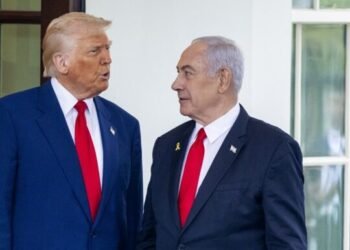
    ‘You’re crazy, everybody hates you now’ — Trump yells at Netanyahu for not honoring partial truce deal

    Although war could shape the global economy in different ways, all paths lead to higher prices and slower growth. A short conflict could cause oil and gas prices to rise before markets adjust, while a long conflict could keep energy expensive and burden countries that rely on imports. Or the world “could settle somewhere in between – tensions continue, energy remains expensive and inflation difficult to control – with continued uncertainty and geopolitical risk,” IMF experts say. Much depends on how long the conflict lasts, how widespread it is and how much damage it causes to infrastructure and supply chains.
    Energy is the main transmission channel. The de facto closure of the Strait of Hormuz and damage to regional infrastructure caused the biggest disruption to the global oil market in its history, according to the International Energy Agency. For fuel-importing economies, the negative impact is large. The multi-regional influence is obvious. Energy-importing economies in Africa, the Middle East and Latin America are feeling the pressure of higher import bills, on top of already limited fiscal space and external reserves.
    In Asia’s major manufacturing economies, higher fuel and electricity bills are driving up production costs and reducing people’s purchasing power, while in some balance-of-payments pressures are already weighing on currencies. In Europe, the shock revives the picture of a 2021/2022 gas crisis, with countries such as Italy and the UK particularly exposed due to their dependence on gas, while France and Spain are relatively protected by their larger nuclear and renewable energy capacities.
    By contrast, oil-exporting countries in the Middle East, parts of Africa and Latin America, which can still deliver their barrels of oil to the market, are benefiting from stronger fiscal and foreign trade positions due to higher prices. Producers whose exports are restricted or reduced – including several members of the Gulf Cooperation Council – can expect much lower growth. Even after transit resumes, higher risk premiums and uncertainty could limit investment and growth.

    The most vulnerable will bear the brunt of the effects on supply chains

    War also changes supply chains for non-energy and critical inputs. Rerouting tankers and container ships increases shipping and insurance costs and lengthens shipping times. Air travel disruptions around key Gulf hubs affect global tourism, while also adding another layer of complexity to trade.
    In addition to higher commodity prices, countries, companies and consumers are already struggling with the consequences of these supply chain complications. With fertilizer shipments halted, about a third of which pass through the Strait of Hormuz, concerns about food prices are growing. The disruption to the Gulf’s supply of crop nutrients comes just as the Northern Hemisphere’s planting season begins, threatening year-round yields and harvests and driving up food prices.
    The most vulnerable will bear the brunt. People in low-income countries are most at risk when prices rise, as food accounts for about 36 percent of consumption on average, compared to 20 percent in developing countries and nine percent in developed economies. This makes any increase in fertilizer and food prices not only an economic but also a sociopolitical problem, especially when fiscal resources to mitigate shocks are limited.
    There may also be shortages or price spikes in other materials used in production. The Gulf supplies much of the world’s helium, which is used in a wide range of products from semiconductors to medical imaging devices. Indonesia, which supplies about half of the world’s nickel – a key component in electric vehicle batteries – could face a shortage of sulfur needed to process the metal. East African economies that depend on Gulf trade links and remittances are facing weaker demand for service exports, logistical bottlenecks and reduced remittances.

    Risk of fueling inflation globally

    If high energy and food prices continue, they will fuel inflation around the world. Historically, continued increases in oil prices tend to increase inflation and reduce growth. Over time, higher transportation and investment costs increase the prices of manufactured goods and services. For many countries that have just brought inflation closer to their target, and even more so for those with more stable inflation, this risks a renewed period of upward price pressures.
    Here too, the pattern is uneven. In much of Asia and parts of Latin America, where inflation is relatively low, higher energy and food costs will test the resilience of expectations, especially in economies with weaker currencies and large energy imports. In Europe, another energy-driven price hike would come on top of existing cost-of-living pressures, raising the risk of tougher demands for wage increases. In low-income countries where people spend a large proportion of their income on food, particularly in Africa and parts of the Middle East and Central America, higher food prices carry acute social and economic costs.
    If people and businesses in any of these regions believe that inflation will remain higher for a longer period, they may pass this on to wages and prices, making it harder to contain the shock without a sharper slowdown. Thus, war increases not only current inflation but also the risk that expectations become less firmly anchored.
    The war disrupted financial markets. Global stock prices fell, bond yields rose in major advanced economies and many emerging markets, uncertainty rose, and these moves tightened financial conditions around the world.
    In Europe and many emerging markets, higher yields and wider credit “scales” are increasing debt service burdens and complicating refinancing for governments and firms. In sub-Saharan Africa and some low-income economies in the Middle East and South Asia, already scarce reserves and limited market access make external shocks to financing conditions more dangerous – especially as higher import bills for fuel, fertilizer and food increase trade deficits and put pressure on currencies. In the Middle East and beyond, high debt levels and tighter financial conditions may further increase debt financing costs.
    By contrast, developed economies with deep domestic capital markets and some commodity exporters with abundant reserves, such as Saudi Arabia and the United Arab Emirates – or Latin American commodity producers such as Brazil and Ecuador – may be better able to absorb market stress, even if they are not immune to higher risk premiums.

    The author is an economist and scientific advisor

    Dejan Jovovic


    Source link

    Related Posts

    Mickoski to Costa: We are not looking for privileges, but a fair and predictable path to the EU
    North Macedonia

    Mickoski to Costa: We are not looking for privileges, but a fair and predictable path to the EU

    June 3, 2026
    ‘You’re crazy, everybody hates you now’ — Trump yells at Netanyahu for not honoring partial truce deal
    North Macedonia

    ‘You’re crazy, everybody hates you now’ — Trump yells at Netanyahu for not honoring partial truce deal

    June 3, 2026
    Ebola – a disaster or cataclysm
    North Macedonia

    Ebola – a disaster or cataclysm

    June 3, 2026
    The EU is introducing deportation centers in third countries
    North Macedonia

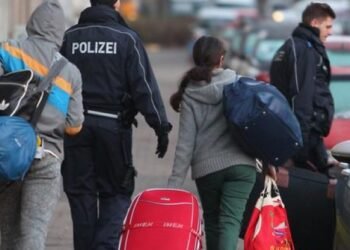
    The EU is introducing deportation centers in third countries

    June 3, 2026
    Brussels seems to have liked the century-old principle for the Balkans, “Kadia sues you…”
    North Macedonia

    Brussels seems to have liked the century-old principle for the Balkans, “Kadia sues you…”

    June 3, 2026
    Over 10,000 jobs are vacant, waiters and market sellers are desperately wanted
    North Macedonia

    Over 10,000 jobs are vacant, waiters and market sellers are desperately wanted

    June 3, 2026
    Next Post
    Pavićević: There was no cover-up or robbery

    Pavićević: There was no cover-up or robbery

    POPULAR NEWS

    The EAEU countries called on Armenia to hold a referendum on joining the European Union

    The EAEU countries called on Armenia to hold a referendum on joining the European Union

    June 3, 2026
    Guatemala against the Czech Republic: The latest results of the Bicolor against European rivals

    Guatemala against the Czech Republic: The latest results of the Bicolor against European rivals

    June 4, 2026
    Israel will send health and agriculture brigades to Honduras in July

    Israel will send health and agriculture brigades to Honduras in July

    June 4, 2026
    Luka Modrić leads Croatia’s call to face Panama in the 2026 World Cup

    Luka Modrić leads Croatia’s call to face Panama in the 2026 World Cup

    June 4, 2026
    Joan Shannell Evans to host book signing and author talk | Lifestyles

    Joan Shannell Evans to host book signing and author talk | Lifestyles

    June 4, 2026

    EDITOR'S PICK

    Ahead of Secretary of State Rubio’s visit to Armenia, the Armenian Congress of America calls for the release of the hostages

    Ahead of Secretary of State Rubio’s visit to Armenia, the Armenian Congress of America calls for the release of the hostages

    June 3, 2026

    Estrada, 3 co-accused admitted to Quezon City jail general population

    June 3, 2026
    Libris book prize goes to novel set in WWII concentration camp

    Libris book prize goes to novel set in WWII concentration camp

    June 4, 2026
    ‘Trump Airport’ could be a new cash cow for the president’s empire

    ‘Trump Airport’ could be a new cash cow for the president’s empire

    June 3, 2026

    Recent Posts

    • Guatemala against the Czech Republic: The latest results of the Bicolor against European rivals
    • Israel will send health and agriculture brigades to Honduras in July
    • Luka Modrić leads Croatia’s call to face Panama in the 2026 World Cup
    • Joan Shannell Evans to host book signing and author talk | Lifestyles

      © 2026 Agentially - Navigating shifting sovereignties and global risk .

      Welcome Back!

      Login to your account below

      Forgotten Password?

      Retrieve your password

      Please enter your username or email address to reset your password.

      Log In
      No Result
      View All Result

        © 2026 Agentially - Navigating shifting sovereignties and global risk .

        This website uses cookies. By continuing to use this website you are giving consent to cookies being used. Visit our Privacy and Cookie Policy.