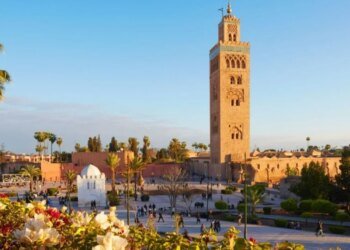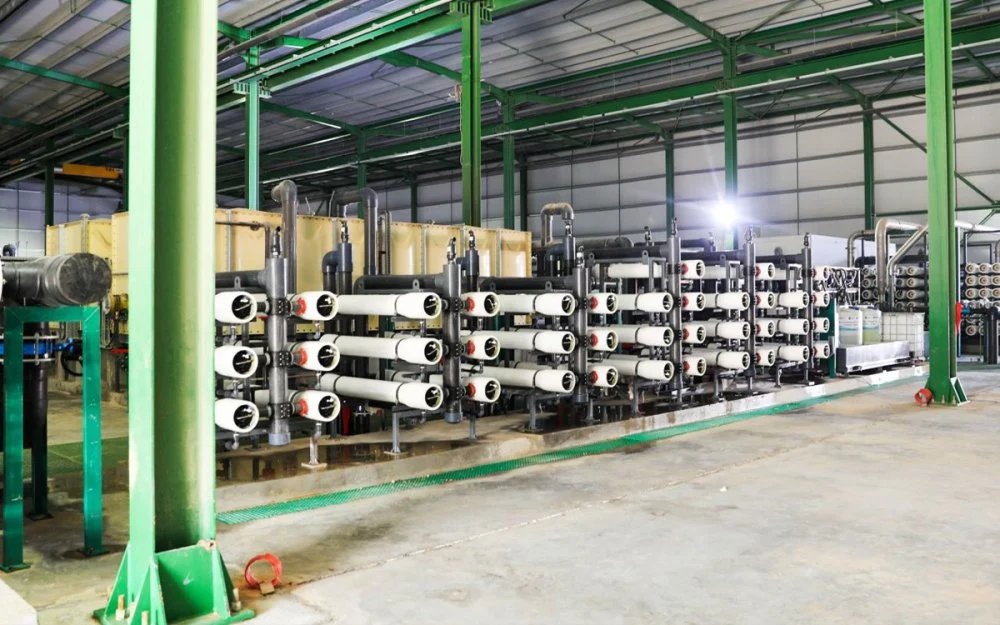
The connection project of Marrakesh to the seawater desalination plant of Safi enters its home stretch. With a progress rate of around 98%, this strategic project is about to be put into service in order to sustainably strengthen the drinking water supply of the ocher city and its agglomeration, in a context marked by increasing pressure on water resources and the effects of climate change.
Presented as one of the flagship projects of the national strategy of securing water resourcesthis “hydraulic corridor” is based on the annual transfer of 100 million cubic meters of desalinated water produced by the OCP group’s desalination station in Safi to Marrakech, through a network of nearly 185 kilometers. This infrastructure is part of the High Directions of His Majesty King Mohammed VI aimed at ensuring the water security of the Kingdom and to accelerate the use of unconventional water resources, in particular the desalination of seawater.
A response to growing pressure on water resources
For several years, Marrakesh is among the cities most exposed to water stress due to the succession of drought episodes, the increase in demand for water linked to population growth and the continued growth of tourist activity. The new project should provide a sustainable additional resource in order to secure the drinking water supply for more than 1.5 million inhabitants of Marrakech and its outskirts.
According to available data, thedesalinated water will be transported from Safi through three large pumping stations connected by steel pipes designed to ensure safe and continuous transport. The transferred volumes will converge on the main Ramram reservoir, located north of Marrakech, with a capacity of 10,000 cubic meters and located approximately five kilometers from the city center.
The distribution of water to users will then be ensured by the Marrakech-Safi multi-service regional company.
With a total cost estimated at 4.3 billion dirhams, financed by the State, this project illustrates the importance of the investments made by Morocco to strengthen its resilience in the face of climate challenges.
The work was carried out by Moroccan skills and constitutes one of the first realizations of the “water highways” model based on the interconnection of territories and the transfer of water resources from areas with alternative production capacities to regions facing a structural deficit.
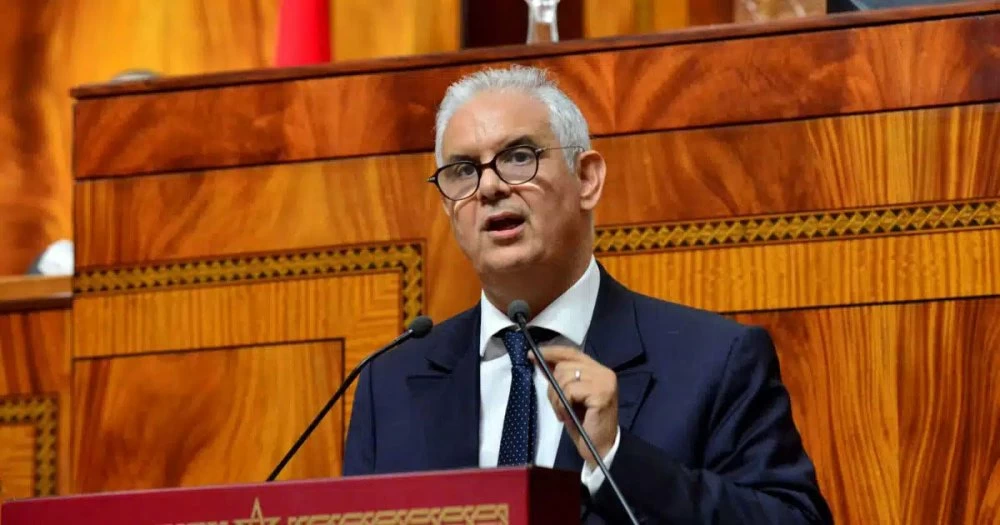
Quoted as part of the project, Adil Daoudi, deputy general director of the Marrakech-Safi regional multiservice company, emphasizes that the main objective is to guarantee Marrakech an additional, sustainable and secure source of supply. According to him, this infrastructure responds to the constant increase in water needs induced by the urban and demographic development of the tourist metropolis. It must also make it possible to ensure the city’s power supply in the best conditions while supporting its economic and social development. The official also recalls that the reform of regional multi-service companies aims to bring essential services closer to citizens through integrated management of drinking water, electricity and liquid sanitation on a regional scale.
Towards a generalization of “water highways”
Beyond the case of Marrakech, this project is part of a broader national strategy aimed at developing unconventional water resources and strengthening hydraulic interconnections between the different regions of the Kingdom. Faced with the intensification of climate change and the scarcity of conventional resources, Morocco is increasingly relying on the desalination of seawater, the reuse of treated wastewater and hydraulic transfers to secure its water supply. The connection from Marrakech to the station desalination of Safi thus constitutes a major step in this transition. Once operational, it will contribute to sustainably consolidating the water security of the Kingdom’s leading tourist destination while strengthening the country’s capacity to face the climate challenges of the coming decades.