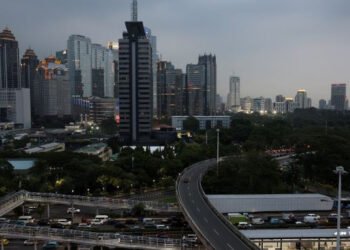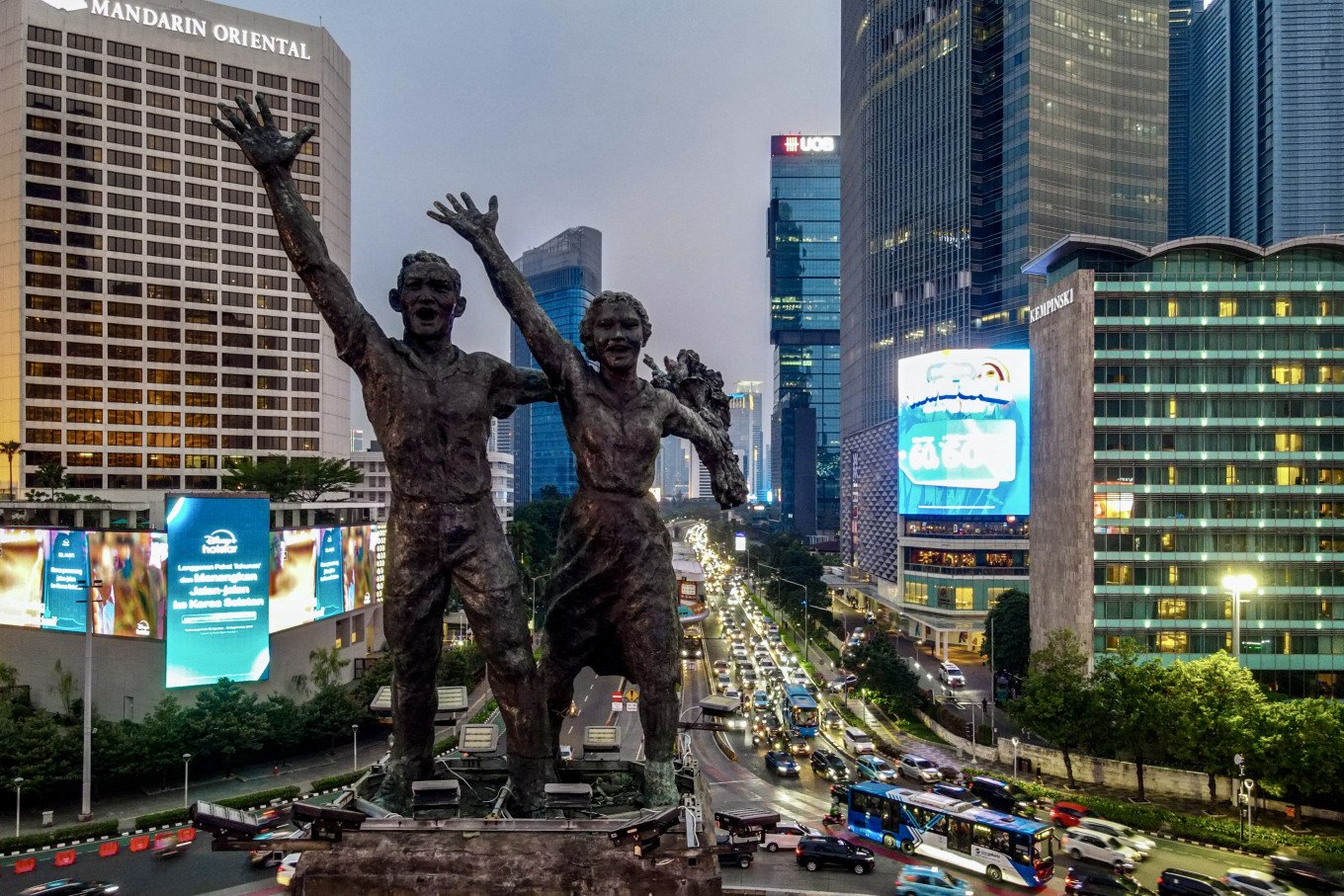
t 499 years old, Jakarta has much to celebrate. In nearly five centuries, the city has transformed from a small but strategically important port on the northern coast of Java into a sprawling metropolis and one of the largest urban centers in the world.
Home to more than 11 million people, Jakarta remains the economic heart of Indonesia, contributing approximately 16.6 percent of the nation’s gross domestic product. The city has become a center of commerce, finance and innovation, attracting millions in search of opportunity and a better life every year.
Infrastructure in the city has also grown at a rapid pace. Jakarta boasts the world’s longest bus rapid transit (BRT) network through Transjakarta. The system now spans more than 250 kilometers of dedicated corridors and nearly 409 kilometers of routes that connect the capital with its surrounding satellite cities.
The launch of the MRT and LRT, alongside their integration with Transjakarta and commuter rail services, has transformed urban mobility. Revitalized sidewalks, expanded public spaces and improved pedestrian corridors have also begun to reclaim the city for people rather than cars, making many areas more accessible, walkable and inclusive. Today, around 2.5 million people across Jakarta and its surrounding metropolitan area use public transportation daily, the highest ridership figure in the country.
Housing conditions have also shown meaningful progress. According to data from Statistics Indonesia (BPS), the number of neighborhood units (RW) classified as slum areas has fallen by more than half, from 445 in 2017 to 211 this year.
For all its progress, however, Jakarta continues to struggle with the consequences of its rapid urban growth.

Every Thursday
Despite significant investments in public transportation, Jakarta’s roads remain choked by traffic. After recording encouraging progress in 2024, when it ranked 90th among the world’s most congested cities, Jakarta slipped dramatically to 24th place in 2025, according to the TomTom Traffic Index.