Many Danish schools, workplaces and other institutions are closed on Constitution Day, but not everyone has the day off.
Denmark celebrates the anniversary of its Constitution every year on June 5th, with 2026 marking the 177th year since the landmark document came into force.
On June 5th 1849, Denmark adopted its first democratic constitution, marking the transition from absolute monarchy to democratic state.
Despite its historical significance, Constitution Day is not a national holiday.
READ ALSO:
However, many people do have the day off, usually provided by their employment contracts or the collective bargaining agreements in their industries, under which much of the Danish labor market is regulated.
This means that shops, schools and other institutions like preschools and universities are usually closed on June 5th.
For salaried employees who are not covered by a collective agreement, the day is considered a regular working day. However, many private companies customarily give employees a half or full day off.
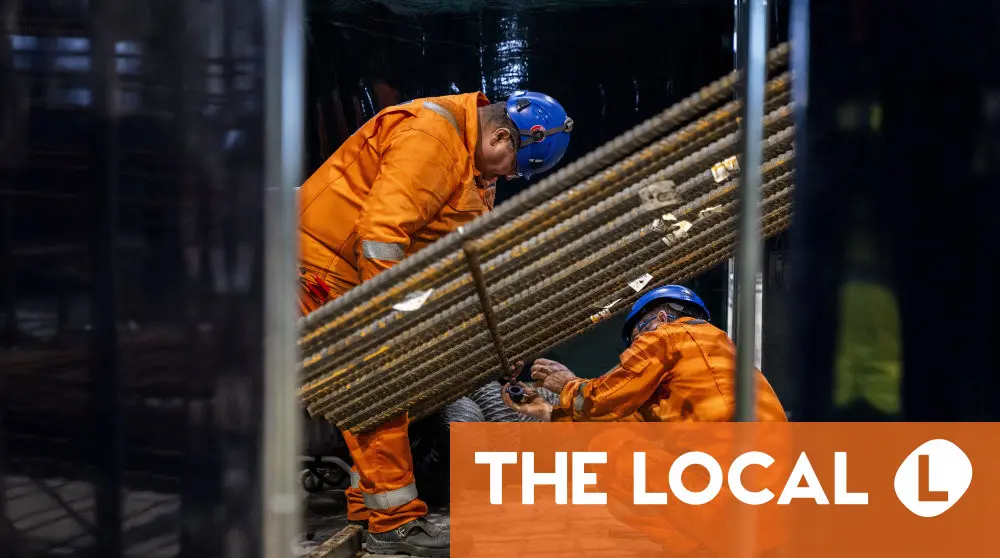
For employees covered by collective agreements in the construction sector, Constitution Day is a full day off with entitlement to either a bonus or special holiday pay. Apprentices have the day off with pay.
But collective agreements do not provide the day off in every sector.
For example, nurses employed by regional health authorities can expect Constitution Day to be a regular working day. Nurses employed by the municipalities are meanwhile entitled to time off from 12 noon where possible.
Social and healthcare staff in the country’s municipalities are generally given the day off from noon wherever possible, and are paid overtime if they are required to work in the afternoon.
Trade union members can usually contact their trade unions or representatives at their workplaces to check their rights to the day off on days like Constitution Day and Labor Day.
Sources: Danish Industry, 3F, Bupl, Danish Nursing Council, FOA, HK Trade, Danish Teachers’ Association