On August 15, 2014, between noon and 3 pm, nearly all the men and pubescent boys in Kocho, a Yazidi village set on a dusty plain at the foot of the Sinjar mountains in Iraq, the historic homeland of this ancient community, were executed by armed men from neighboring Arab villages carrying the black flag of the Islamic State group (IS). In the hours that followed, the village’s women and girls were loaded into trucks, then sorted by age to be forced into slavery.
Within hours, life had vanished from this village of 1,200 people. More than a third of its population – 422 men and adolescent boys and 86 elderly women – were murdered. Women and girls deemed anatomically mature, from as young as 9 years old, were sold as sex slaves, while boys were forcibly converted to Islam and conscripted. The massacre at Kocho, the deadliest of all those carried out by IS in 81 villages across the Sinjar mountains in August 2014, marked the beginning of the 74th firman (genocide) of the Yazidis, according to the grim tally passed down through generations of this people, persecuted for centuries.
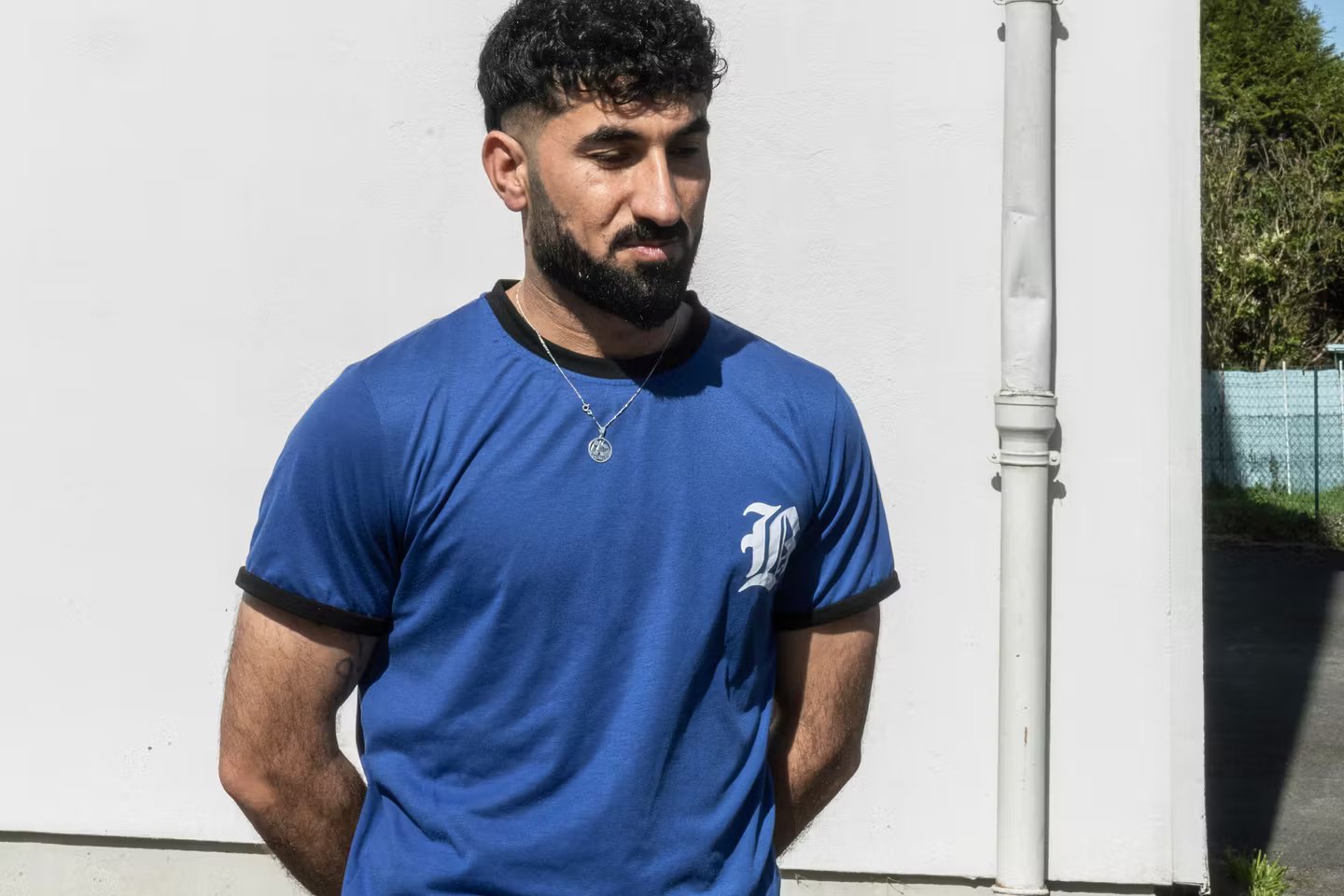
Samih Taha is one of the survivors of that massacre, which marked the beginning of the vast extermination plan targeting this religious minority, orchestrated by IS leadership. He was among the 19 men from Kocho who managed to escape. He was 17 years old. He saw the barrel of an M16 rifle rise to execute him as he stood in line with about 30 other villagers; then, turning around, he saw the bodies piled up in a mass grave behind him. He ran.
You have 94.22% of this article left to read. The rest is for subscribers only.