Last week’s Danish general election left the identity of the new government dependent on negotiations between the elected parties, including the two representatives from Greenland.
As part of their status as autonomous territories within the Kingdom of Denmark, Greenland and the Faroe Islands were also involved in last week’s Danish election.
Greenlanders and Faroe Islanders each elected two representatives to take seats among the 179 members of the Danish parliament.
The seats, termed “North Atlantic mandates”, could play an important role in deciding the outcome of the election in 2026, given that there was no clear winner between the left and right-leaning blocs.
In addition to the representatives in Copenhagen, the Faroe Islands and Greenland also hold separate elections to their own respective parliaments.
READ ALSO: So… who is the prime minister of Denmark right now?
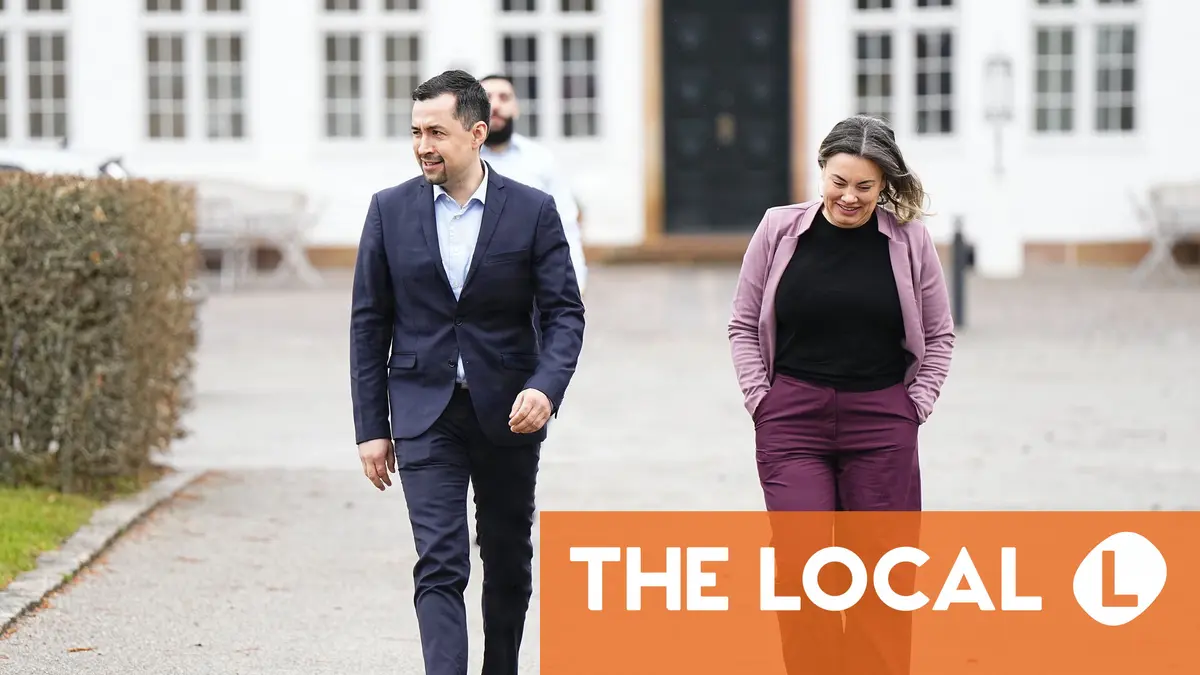
Greenland’s two seats both went to newly-elected politicians, Naaja Nathanielsen of left-wing party IA and Qarsoq Høegh-Dam from Naleraq, a centrist party that wants fast-tracked independence from Denmark.
Both MPs were set to meet interim prime minister Mette Frederiksen for talks at the PM’s official residence Marienborg on Tuesday. Frederiksen is leading negotiations to form the next government after her Social Democratic party took the largest vote share in the election.
Despite coming from two different parties, Nathanielsen and Høegh-Dam are seen to present shared objectives in talks with Frederiksen, broadcaster DR reports.
These revolve around securing more Greenlandic control over the territory’s foreign policy, which is currently largely determined by Copenhagen.
Greenland should be able to represent itself in foreign policy matters without Denmark also having to sit at the table, Nathanielsen said in comments to DR.
“It makes a difference if we have to put stabilizers on when we have meetings with other countries,” she said, adding she wants Greenland to have “the power we need to pursue our politics.”
Frederiksen has already spoken to Danish parties the Green Left (SF), Red Green Alliance (Enhedslisten), Social Liberals (Radikale Venstre), Alternative, Liberals (Venstre), Conservatives and Moderates.
Talks so far remain at a preliminary stage.
Denmark’s foreign policy has become increasingly crucial for Greenlanders as both countries have come under pressure from the US administration over President Donald Trump’s threats to take control of the Arctic territory.
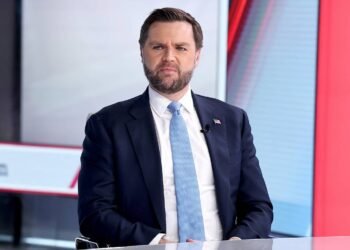
Greenland’s former foreign minister Vivian Motzfeldt was present alongside Danish counterpart Lars Løkke Rasmussen at a meeting with US Secretary of State Marco Rubio and Vice President JD Vance in January, as attempts were made to establish cooperation over Greenland’s security and thereby ease tensions caused by Trump’s repeated threats.
DR’s article does not state whether Nathanielsen is of the view that a meeting of that type could take place without Danish involvement.