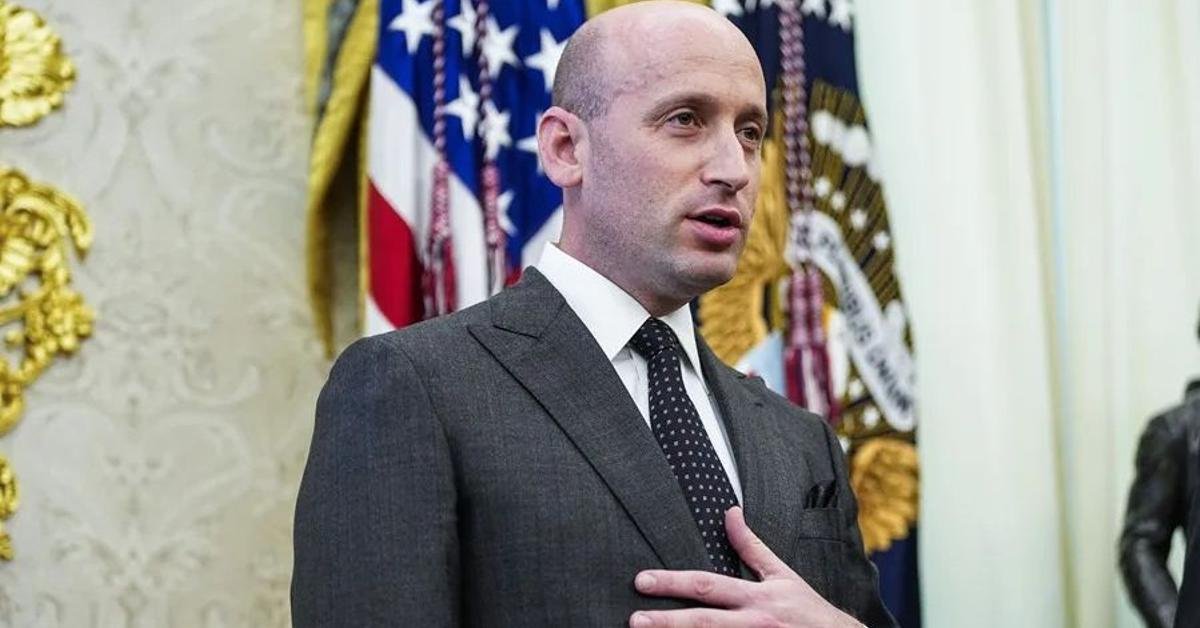
Washington/The President of the United States, Donald Trump, announced this Friday the appointment of Stephen Miller, one of his most influential advisors and main architect of his immigration policy, as the new White House Chief of Staff. The decision comes just three days after the Republican Party’s defeat in the midterm legislative elections, in which Democrats regained control of both chambers of Congress.
“I am pleased to announce that Mr. Stephen Miller, current deputy chief of staff of the Trump Administration and one of my most trusted advisors, will assume the position of chief of staff effective Monday, November 9, 2026,” the president wrote on his Truth Social social network.
Miller will replace Susie Wiles, the first woman to hold that position and a key figure in Trump’s return to the White House. Wiles directed the strategy of his 2024 presidential campaign and, since January 2025, was in charge of coordinating the operations of the Administration.
Trump thanked him for his work and announced that he would become part of his political structure. “I want to thank her for her service as chief of staff; she has done a great job!” said the president, who did not offer further details about his collaborator’s new responsibilities.
Born in California in 1985, Stephen Miller has become one of the most representative figures of the conservative nationalism that dominates the Maga movement
The replacement occurs at a particularly delicate moment for Republicans. The results of Tuesday’s elections have left Trump facing a Congress controlled by Democrats and have raised questions about the direction of his government during the remaining two years of his term. Far from announcing a moderation of his agenda, the president has chosen to place at the head of his team one of his collaborators most identified with the policies that have marked his two administrations.
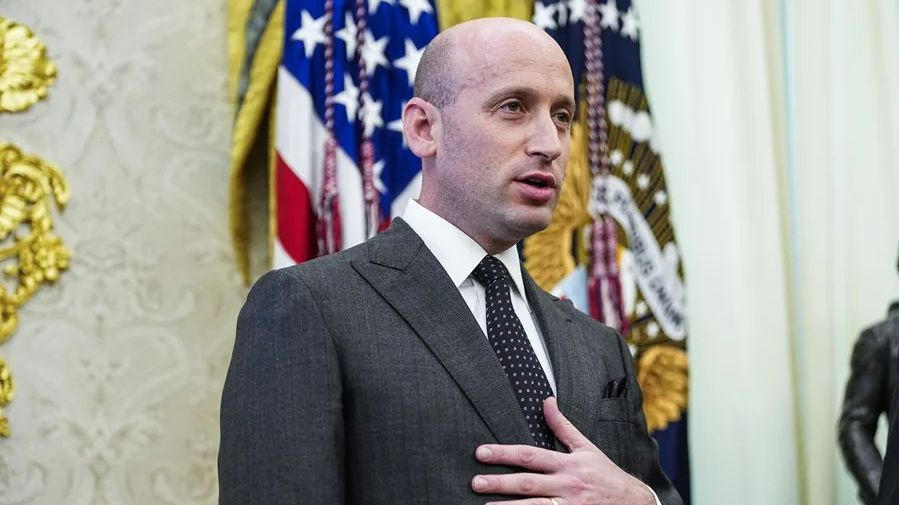
Born in California in 1985, Stephen Miller has become one of the most representative figures of the conservative nationalism that dominates the Maga movement (Make America Great Again). His influence has been especially concentrated on immigration, an issue in which he has defended restrictions on the entry of foreigners and a tightening of border controls.
During Trump’s first term, between 2017 and 2021, Miller participated in the development of some of his most controversial immigration measures, including the entry ban for citizens of several Muslim-majority countries and attempts to end the Daca program, created in 2012 during the presidency of Barack Obama to protect certain immigrants who arrived in the United States when they were minors from deportation.
Miller has served as deputy chief of staff and has remained among the main promoters of immigration hardening
In the second Republican Administration, Miller has served as Deputy Chief of Staff and has remained among the main promoters of immigration hardening, including deportation operations for foreigners in an irregular situation.
His political career began long before he arrived at the White House. He studied Political Science at Duke University, initially working for Republican Congresswoman Michele Bachmann and later for Senator Jeff Sessions, who would become attorney general during the first Trump Administration.
Coming from a Jewish family with left-wing ideas, Miller developed conservative positions from a young age that ended up making him one of the ideological references in the presidential environment. His defense of restrictive immigration policies has provoked strong criticism among organizations defending immigrant rights, while at the same time he has consolidated his influence among the most nationalist sectors of republicanism.
His promotion also represents a significant change in the functioning of the White House. As Chief of Staff, Miller will have a central role in coordinating the presidential team, organizing political priorities and providing access for collaborators to the president.