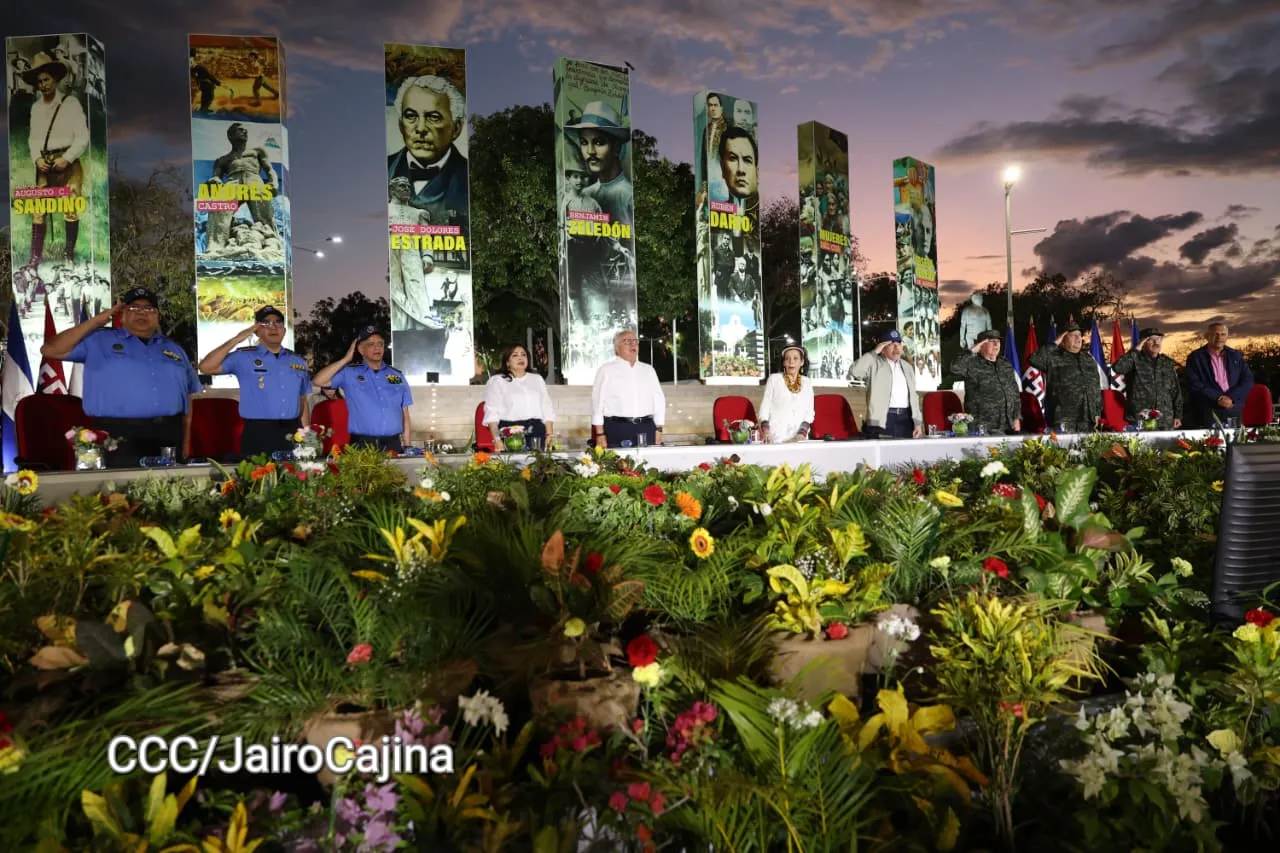
The United States sanctions are not a reminder, but part of that country’s foreign policy to penalize the actors complicit in the atrocities committed in Nicaragua, while the kleptocratic structure that takes advantage of state capture. Contrary to the lies of Rosario Murillo and a senile Daniel Ortega, the sanctions do not affect the people, because they focus their impact precisely.
The trajectory of sanctions
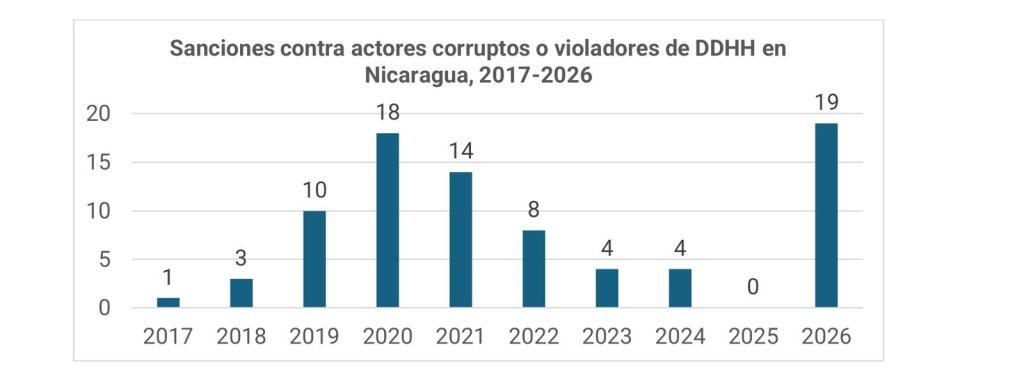
The sanction is a fair sentence against the physical, economic and political deprivation that the dictatorship has caused in the last ten years. So far, the United States (US) has imposed more than 85 sanctions. 25 sanctions were directed at institutions and 60 at individuals, not including 23 judges from the so-called Engel List.
The European Union (EU), for its part, has sanctioned 31 people, and Canada, 35. The United Kingdom has sanctioned 14 people. Switzerland has sanctioned 14 individuals. All of these sanctioned people make up the group linked to the circle of power that operates in the administrative sphere to sustain the repressive system.
Penalizing repression
The most recent sanction that includes Luis Cañas has a symbolic weight because this individual is one of the few historical Sandinistas loyal to Murillo, originally punished for criminal behavior, involved in robberies and seizures of properties, and rescued by Moncada Lau when the regime needed chips willing to continue with the repression that originated in April 2018. Cañas assumes a leading role in the repression at various levels, such as the hiring of snipers, the detention arbitrary and the collection of intelligence on civic leaders and citizens in general. Cañas has been the funnel that decides who enters or leaves, and has participated in the collection of a political visa as a mechanism of economic extortion for those who were denied entry to the country. He is directly responsible for the illegal and arbitrary closure of more than five thousand civil society organizations.
But it also represents a political weight, since the international community and the United States continue to link the Nicaraguan situation to repression, one of the demands of the State Department and part of a continuum of pressure and punishment of transgressors that can rise to direct punishment against Daniel Ortega. Ortega’s entire family is sanctioned and under scrutiny for their operations. Until now, few figures remain unsanctioned from the reduced structure of the circle of power—among them Valdrack Jaentschke and Denis Moncada Colindres, who constitute the diplomatic thread that the United States allows to maintain.
Fighting kleptocracy
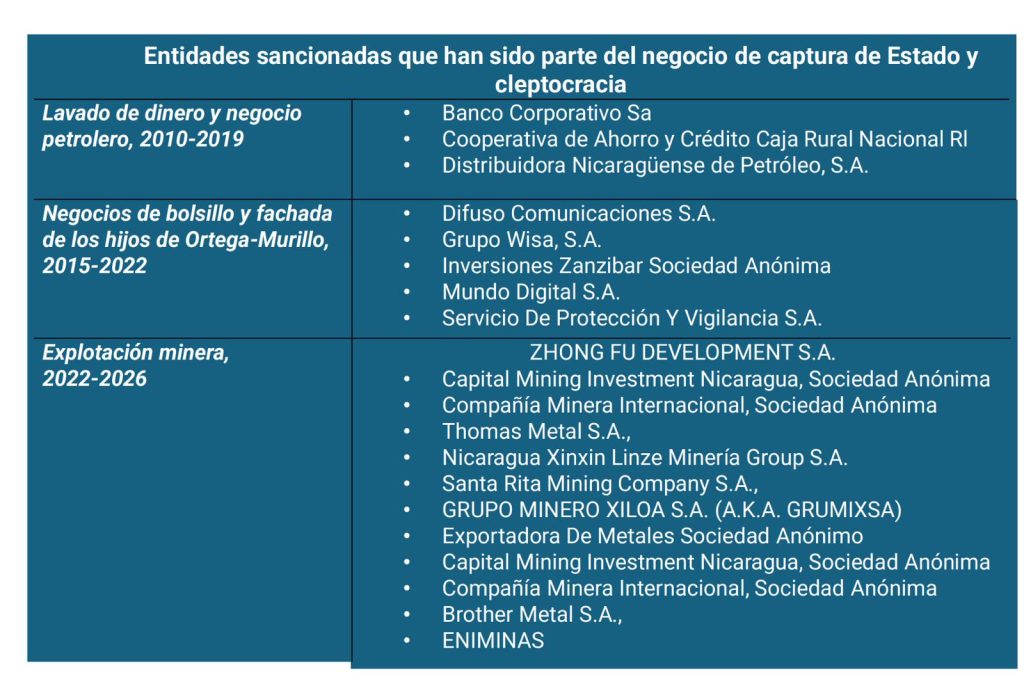
The most emblematic thing about the wave of sanctions that the United States implements this year, however, is its aim against the kleptocratic and corrupt structure that the family clan uses to his illicit enrichment. The United States has been, little by little, cornering the dictatorship to prevent the deepening of the theft they commit at the expense of the State. More than 20 of the sanctions against institutions have been about the structure that the family clan used for their illicit enrichment.
The most emblematic action occurs with the sanction of the businesses that Rafael Ortega and his ex-wife carried out within the framework of oil businesses. This activity was multimillion-dollar and guaranteed them to earn an eight-figure annual income through the arrangements with Petro Caribe. The sanction removed the clan from the oil business, while Nicaragua changes its oil dependence on the United States in the midst of the Venezuelan crisis and the sanctions themselves.
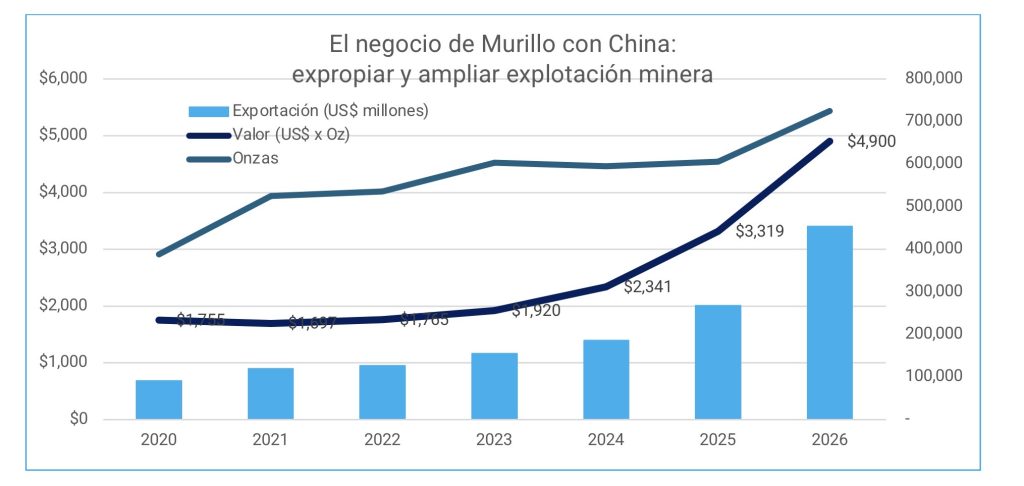
The sanction imposed in April against institutions aims to dismantle a gradual recomposition of the illicit action of the family that is trying to build a million-dollar empire through mining concessions to Chinese companies and set up their businesses within that sector. The dictatorship, through several state entities such as the Ministry of Energy and Mines and ENIMINAS, has granted more than 10,000 km² in mining concessions in a matter of four years to a series of companies that function as agencies linked to the company Zhong Fu Development SA. The family dictatorship has made these concessions while, in parallel, it continues its tactic of confiscating private property and extorting companies to gradually weaken and displace them.
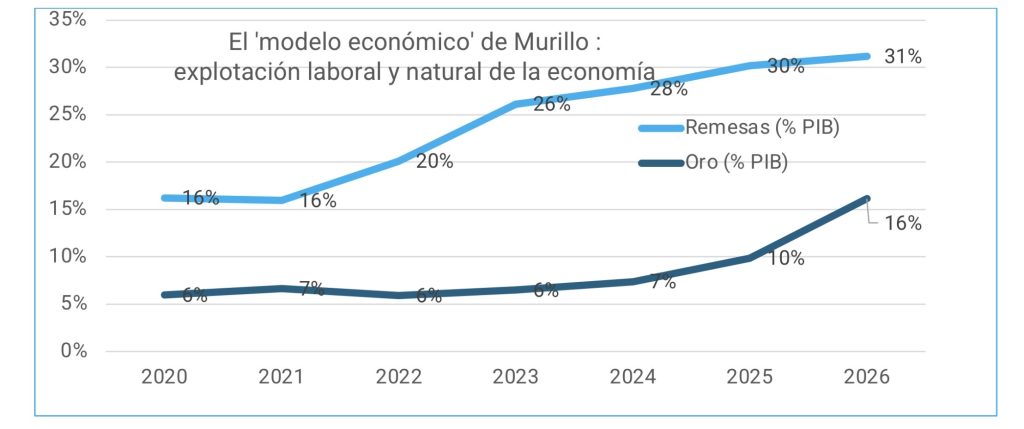
The economic model of the family clan is highly destructive for Nicaraguans because it does not generate benefits for them, but only for the clan. The dictatorship has taken advantage of the high price of gold, and sought to capitalize on it with confiscations, illicit concessions, and tax and economic extortion. This year, Nicaragua will increase gold exports from 600,000 to 800,000 ounces.
What’s next? Murillo’s wrong bet and pressure from the United States
For the United States, Nicaragua is a case sui generis in which the dictatorship has managed to maintain a low profile despite the pressures. The United States places the importance of transforming Nicaragua through a democratic path under times of political inertia that lead its course to accelerated decline, such as the death of Ortega, an internal family and clientelist conflict, uncontrolled corruption or an unexpected social protest.
Therefore, its pressure is different from that of Cuba and Venezuela and it is not on the waiting list after Cuba. The United States wants to avoid the risk of another wave of migration and repression, recognizing additional obstacles. However, he does not let his guard down, so he maintains a certain level of pressure that distorts the modus operandi. The costs for Laureano Ortega, Zhong Fu Development, for example, will involve reorganizing the export structure that is mostly directed to the United States.
The main effort at this time must consist of continuing to pressure the dictatorship to dismantle its repressive and kleptocratic structure allied with China, two demands that the United States has exercised. But within that context, the civic opposition has to point out the magnitude of the theft they carry out against Nicaraguan citizens who do not have enough to support themselves; as well as exposing state capture despite the fact that the IMF has endorsed the country’s economic growth at the expense of repression (with the expulsion of thousands of Nicaraguans who now send remittances) and theft (through extortion, confiscation and illicit concessions).