
‘As the bipartisan focus on immigration reform continues, the issue is likely to sustain as a friction point in India-U.S. relations.’
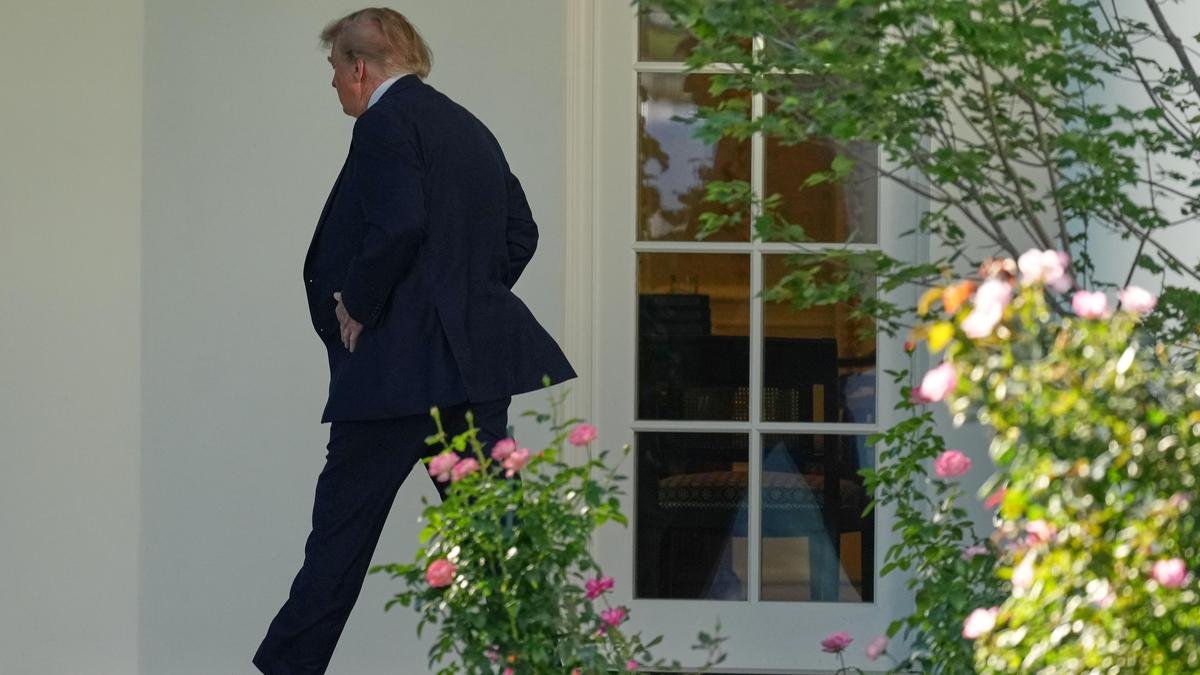
| Photo Credit: AP
In its second term, the Donald Trump administration has been active in restricting legal immigration to the United States. The administration’s attempt to impose a $100,000 payment requirement on certain new H-1B petitions, changes to visa renewal procedures, the introduction of a wage-weighted selection system, and the latest suspensions of the Program Electronic Review Management (PERM) process are cases in point, disproportionately impacting Indian immigrants and firms.
It is tempting to read these developments as a product of the Trump administration alone, but they reflect deeper political interests that are likely to survive post-Trump. Indian nationals account for 70% of H-1B visa approvals, with one-fifth of the visas going to employees of Indian-origin companies. This means that, as the bipartisan focus on immigration reform continues, the issue is likely to sustain as a friction point in India-U.S. relations.
Published – October 26, 2026 12:08 am IST