
The Caribbean Public Health Agency (CARPHA) has completed a five-day technical visit to the Turks and Caicos Islands (TCI) aimed at strengthening the territory’s ability to detect, monitor and respond to antimicrobial resistance (AMR).
According to a CARPHA press release, the mission, held from July 13 to 17, 2026, was conducted under the CARPHA Integrated Antimicrobial Resistance Programme and focused on improving laboratory systems, AMR surveillance and regional health security.
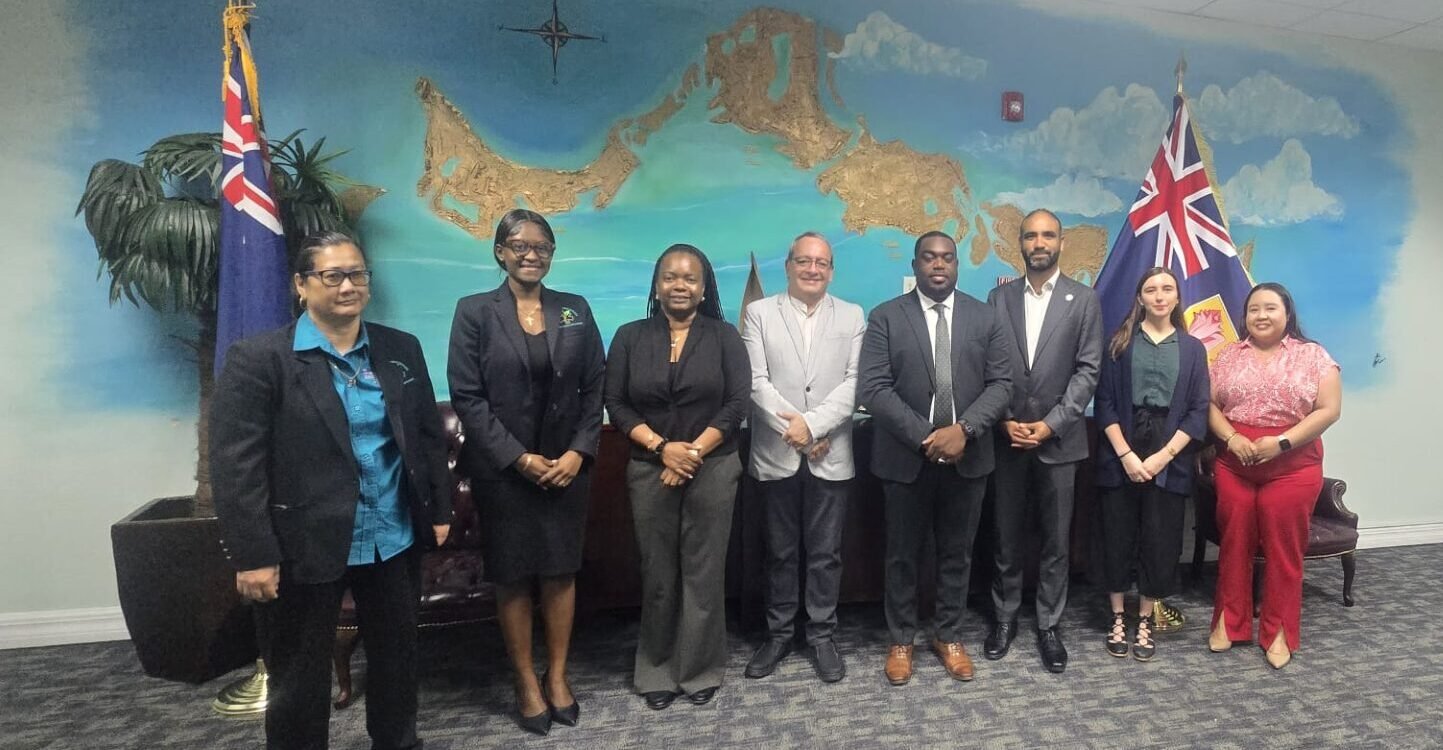
The CARPHA team included Mohamed Elsherbiny, Senior Technical Advisor in the Office of the Executive Director and Head of the CARPHA Integrated AMR Programme; Dr Gabriel Gonzalez Escobar, Assistant Director of Surveillance, Disease Prevention and Control and Head of the CARPHA Medical Microbiology Laboratory; and Epidemiologist Megan Bardsley from the CARPHA Integrated AMR Programme.
During the visit, the delegation met with officials from the Ministry of Health, the National Epidemiology and Research Unit (NERU), the National Public Health Laboratory (NPHL), TCI Hospital, laboratory services, Infection Prevention and Control teams and other stakeholders involved in addressing AMR.
The assessment examined several areas, including laboratory facilities, equipment, staffing capacity, governance structures, biosafety measures, data management systems and AMR surveillance activities. The team also reviewed tuberculosis referral processes and the territory’s pandemic preparedness capabilities.

CARPHA highlighted the ongoing cooperation between the agency and the TCI National Public Health Laboratory, noting the laboratory’s role in supporting confirmation testing for priority pathogens and the recent successful introduction of the MolBio mobile testing platform.
As per the release, the mission identified opportunities to further improve diagnostic services, strengthen laboratory efficiency, enhance biosafety and biosecurity procedures, expand antimicrobial susceptibility testing and molecular diagnostic capabilities, and improve the collection and reporting of AMR data.
The team also examined ways to improve specimen referral arrangements within the CARPHA laboratory network, including stronger collaboration with Jamaica’s laboratory system to ensure access to specialised regional testing and reference services.
CARPHA Executive Director Dr Lisa Indar said, “Antimicrobial resistance is one of the greatest threats to public health. Strengthening laboratory systems and surveillance is fundamental to ensuring timely detection of resistant pathogens and evidence-based action. We are encouraged by the commitment shown by our colleagues in the Turks and Caicos Islands and look forward to supporting implementation of the recommendations developed during this mission”.
CARPHA said it will continue working with the Ministry of Health and Human Services and national partners to create a phased plan for implementing recommendations, provide technical support and further integrate TCI into the regional AMR surveillance network.