Thursday, September 10, 2026
    The GeoStrategic Consensus
    No Result
    View All Result
    • Login
    • HOME
    • AMERICAS
      • Argentina
      • Brazil
      • Canada
      • Chile
      • Colombia
      • Costa Rica
      • Cuba
      • Dominican Republic
      • Ecuador
      • El Salvador
      • Greenland
      • Guatemala
      • Honduras
      • Mexico
      • Nicaragua
      • Panama
      • Paraguay
      • Peru
      • United States
      • Uruguay
      • Venezuela
    • ASIA-PACIFIC
      • Australia
      • Brunei Darussalam
      • Cambodia
      • China
      • Federated States of Micronesia
      • Fiji
      • Indonesia
      • Japan
      • Kiribati
      • Laos
      • Malaysia
      • Marshall Islands
      • Mongolia
      • Myanmar
      • Nauru
      • New Zealand
      • North Korea
      • Palau
      • Papua New Guinea
      • Philippines
      • Samoa
      • Singapore
      • Solomon Islands
      • South Korea
      • Taiwan
      • Thailand
      • Timor-Leste
      • Tonga
      • Tuvalu
      • Vanuatu
      • Vietnam
    • CARICOM
      • CARICOM – Non-English
        • Haiti
        • Suriname
      • CARICOM Associates
        • Anguilla
        • Bermuda
        • British-Virgin-Islands
        • Cayman-Islands
        • Curacao
        • Turks-and-Caicos
      • CARICOM English
        • Antigua and Barbuda
        • Barbados
        • Belize
        • Dominica
        • Grenada
        • Guyana
        • Jamaica
        • Montserrat
        • Saint Kitts and Nevis
        • Saint Lucia
        • Saint Vincent and the Grenadines
        • The Bahamas
        • Trinidad and Tobago
    • EURASIA
      • Armenia
      • Azerbaijan
      • Balarus
      • Georgia
      • Kazakhstan
      • Kyrgyzstan
      • Moldova
      • Russia
      • Tajikistan
      • Turkmenistan
      • Ukraine
      • Uzbekistan
    • EUROPE
      • Albania
      • Andorra
      • Austria
      • Bosnia and Herzegovina
      • Bulgaria
      • Croatia
      • Cyprus
      • Czech Republic
      • Denmark
      • Estonia
      • Finland
      • France
      • Germany
      • Greece
      • Holy See
      • Hungary
      • Iceland
      • Ireland
      • Italy
      • Kosovo
      • Latvia
      • Liechtenstein
      • Lithuania
      • Luxembourg
      • Malta
      • Monaco
      • Montenegro
      • Netherlands
      • North Macedonia
      • Norway
      • Poland
      • Portugal
      • Romania
      • San Marino
      • Serbia
      • Slovakia
      • Slovenia
      • Spain
      • Sweden
      • Switzerland
      • United Kingdom
    • MIDDLE EAST AND NORTH AFRICA
      • Algeria
      • Bahrain
      • Egypt
      • Iran
      • Iraq
      • Israel
      • Jordan
      • Kuwait
      • Lebanon
      • Lybia
      • Morocco
      • Oman
      • Palestinian Territories
      • Qatar
      • Saudi Arabia
      • Syria
      • Tunisia
      • Turkey
      • United Arab Emirates
      • Western Sahara
      • Yemen
    • SOUTH ASIA
      • Afghanistan
      • Bangladesh
      • Bhutan
      • India
      • Maldives
      • Nepal
      • Pakistan
      • Sri Lanka
    • SUB-SAHARAN AFRICA
      • Angola
      • Benin
      • Botswana
      • Burkina Faso
      • Burundi
      • Cabo Verde
      • Cameroon
      • Central African Republic
      • Chad
      • Comoros
      • Cote d’Ivoire
      • Democratic Republic of the Congo
      • Djibouti
      • Equatorial Guinea
      • Eritrea
      • Eswatini
      • Ethiopia
      • Gabon
      • Gambia
      • Ghana
      • Guinea
      • Guinea Bissau
      • Kenya
      • Lesotho
      • Liberia
      • Madagascar
      • Malawi
      • Mali
      • Mauritania
      • Mauritius
      • Mozambique
      • Namibia
      • Niger
      • Nigeria
      • Republic of the Congo
      • Rwanda
      • Sao Tome and Principe
      • Senegal
      • Seychelles
      • Sierra Leone
      • Somalia
      • South Africa
      • South Sudan
      • Sudan
      • Tanzania
      • Togo
      • Uganda
      • Zambia
      • Zimbabwe
    • HOME
    • AMERICAS
      • Argentina
      • Brazil
      • Canada
      • Chile
      • Colombia
      • Costa Rica
      • Cuba
      • Dominican Republic
      • Ecuador
      • El Salvador
      • Greenland
      • Guatemala
      • Honduras
      • Mexico
      • Nicaragua
      • Panama
      • Paraguay
      • Peru
      • United States
      • Uruguay
      • Venezuela
    • ASIA-PACIFIC
      • Australia
      • Brunei Darussalam
      • Cambodia
      • China
      • Federated States of Micronesia
      • Fiji
      • Indonesia
      • Japan
      • Kiribati
      • Laos
      • Malaysia
      • Marshall Islands
      • Mongolia
      • Myanmar
      • Nauru
      • New Zealand
      • North Korea
      • Palau
      • Papua New Guinea
      • Philippines
      • Samoa
      • Singapore
      • Solomon Islands
      • South Korea
      • Taiwan
      • Thailand
      • Timor-Leste
      • Tonga
      • Tuvalu
      • Vanuatu
      • Vietnam
    • CARICOM
      • CARICOM – Non-English
        • Haiti
        • Suriname
      • CARICOM Associates
        • Anguilla
        • Bermuda
        • British-Virgin-Islands
        • Cayman-Islands
        • Curacao
        • Turks-and-Caicos
      • CARICOM English
        • Antigua and Barbuda
        • Barbados
        • Belize
        • Dominica
        • Grenada
        • Guyana
        • Jamaica
        • Montserrat
        • Saint Kitts and Nevis
        • Saint Lucia
        • Saint Vincent and the Grenadines
        • The Bahamas
        • Trinidad and Tobago
    • EURASIA
      • Armenia
      • Azerbaijan
      • Balarus
      • Georgia
      • Kazakhstan
      • Kyrgyzstan
      • Moldova
      • Russia
      • Tajikistan
      • Turkmenistan
      • Ukraine
      • Uzbekistan
    • EUROPE
      • Albania
      • Andorra
      • Austria
      • Bosnia and Herzegovina
      • Bulgaria
      • Croatia
      • Cyprus
      • Czech Republic
      • Denmark
      • Estonia
      • Finland
      • France
      • Germany
      • Greece
      • Holy See
      • Hungary
      • Iceland
      • Ireland
      • Italy
      • Kosovo
      • Latvia
      • Liechtenstein
      • Lithuania
      • Luxembourg
      • Malta
      • Monaco
      • Montenegro
      • Netherlands
      • North Macedonia
      • Norway
      • Poland
      • Portugal
      • Romania
      • San Marino
      • Serbia
      • Slovakia
      • Slovenia
      • Spain
      • Sweden
      • Switzerland
      • United Kingdom
    • MIDDLE EAST AND NORTH AFRICA
      • Algeria
      • Bahrain
      • Egypt
      • Iran
      • Iraq
      • Israel
      • Jordan
      • Kuwait
      • Lebanon
      • Lybia
      • Morocco
      • Oman
      • Palestinian Territories
      • Qatar
      • Saudi Arabia
      • Syria
      • Tunisia
      • Turkey
      • United Arab Emirates
      • Western Sahara
      • Yemen
    • SOUTH ASIA
      • Afghanistan
      • Bangladesh
      • Bhutan
      • India
      • Maldives
      • Nepal
      • Pakistan
      • Sri Lanka
    • SUB-SAHARAN AFRICA
      • Angola
      • Benin
      • Botswana
      • Burkina Faso
      • Burundi
      • Cabo Verde
      • Cameroon
      • Central African Republic
      • Chad
      • Comoros
      • Cote d’Ivoire
      • Democratic Republic of the Congo
      • Djibouti
      • Equatorial Guinea
      • Eritrea
      • Eswatini
      • Ethiopia
      • Gabon
      • Gambia
      • Ghana
      • Guinea
      • Guinea Bissau
      • Kenya
      • Lesotho
      • Liberia
      • Madagascar
      • Malawi
      • Mali
      • Mauritania
      • Mauritius
      • Mozambique
      • Namibia
      • Niger
      • Nigeria
      • Republic of the Congo
      • Rwanda
      • Sao Tome and Principe
      • Senegal
      • Seychelles
      • Sierra Leone
      • Somalia
      • South Africa
      • South Sudan
      • Sudan
      • Tanzania
      • Togo
      • Uganda
      • Zambia
      • Zimbabwe
    No Result
    View All Result
    Agentially
    No Result
    View All Result
    Home ASIA-PACIFIC Nauru

    Türkiye Emerging as Alternative Source of Support for Georgian Breakaway Regions

    The Analyst by The Analyst
    September 9, 2026
    in Nauru
    Türkiye Emerging as Alternative Source of Support for Georgian Breakaway Regions


    READ ALSO

    OIC condemns Nauru embassy opening in occupied al-Quds

    Australia: 25 Years of Abusive Offshore Detention – Tolerance.ca

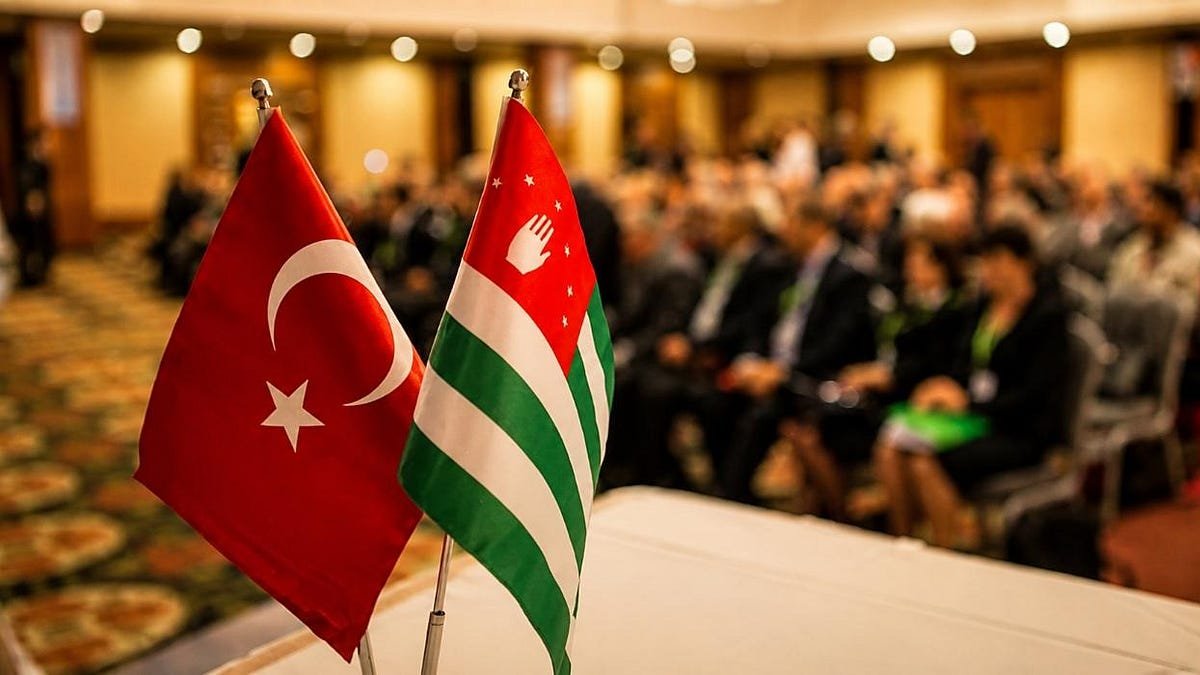
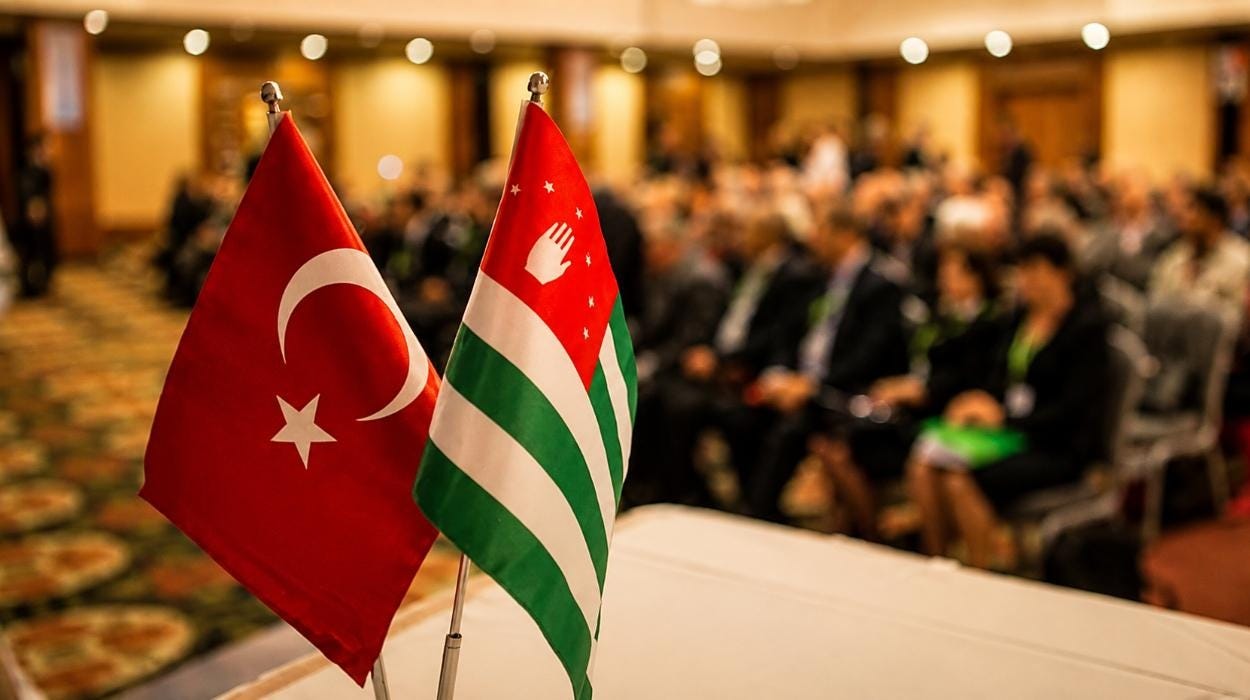
    (Source: Abkhaz World)

    Executive Summary:

    • On July 30, Nauru revoked its 2009 recognition of the independence of Georgia’s breakaway regions of Abkhazia and the Tskhinvali (South Ossetia), a reversal Georgian Dream claimed as its own diplomatic win. Syria and Venezuela, despite regime changes, have kept their recognitions in place, exposing Tbilisi’s limited leverage.

    • Russia’s grip on the occupied territories is loosening as fuel shortages, Ukrainian drone alerts, and Sukhumi’s largely rhetorical military threats signal a weakening patron.

    • Türkiye is emerging as a potential alternative source of engagement for Abkhazia, as diaspora groups and opposition lawmakers push de-isolation measures, creating a new challenge for Georgia as Russia’s regional influence continues to decline.

    On July 30, the microstate of Naoero (formerly Nauru), revoked its 17-year-old recognition of the so-called independence of Georgia’s two Russian-occupied regions, Abkhazia and South Ossetia, after terminating diplomatic relations on July 21 (Republic of Naoero, July 24; Facebook/TheGovernmentoftheRepublicofNaoero, July 30). Reactions to this unexpected decision by Naoero varied. The Georgian Ministry of Foreign Affairs welcomed the withdrawal of recognition of the quasi-states and expressed its desire to establish diplomatic relations with Naoero (Georgian Ministry of Foreign Affairs, July 29).

    Moscow remained dissatisfied, as in 2009 it spent a large amount of money to buy Nauru’s recognition of the independence of Abkhazia and South Ossetia. The Russian Foreign Ministry said the motives behind the decision were unclear, adding, “The termination of diplomatic relations will not contribute to expanding the geography of the island republic or improving the quality of its contacts with the outside world” (RIA Novosti, August 7).

    The Georgian government presented Naoero’s reversal as a diplomatic victory. On August 5, Georgian Prime Minister Irakli Kobakhidze publicly thanked the Georgian Foreign Minister Maka Botchorishvili and all Georgian diplomats for successfully implementing the “non-recognition policy” (1TV, August 5). Local observers doubt Georgian Dream’s diplomatic capabilities and argue that Nauru’s decision stems from U.S. and European diplomatic efforts, which have long supported that policy (Facebook/GiaJaparidze, July 29). The Ministry of Foreign Affairs of occupied Abkhazia also attributes the withdrawal to Western pressure, stating that the development of interaction between Abkhazia and Nauru “invariably faced opposition from Georgia and its Western partners.” The ministry went on to state:

    A campaign of aggressive external pressure was launched against the Republic of Nauru. The entire arsenal of unacceptable methods of suffocation and coercion was employed — from blatant political blackmail and crude diplomatic pressure to outright financial and economic reprisals and punitive sanctions measures aimed at revising the sovereign choice of the Republic of Nauru (Facebook/AbkhazianForeignMinistry, July 29).

    Recognition of Abkhazia and South Ossetia has been withdrawn twice before. In 2013, Vanuatu withdrew its 2011 recognition, and Tuvalu did the same in 2014 (Civil Georgia, July 15, 2013, March 31, 2014). Only a handful of countries still recognize Georgia’s occupied regions as independent states—including Russia, Nicaragua, Venezuela, and Syria. Georgia hoped that after the fall of former Syrian President Bashar al-Assad’s regime at the end of 2024, the country’s interim authorities would cancel the recognition adopted in Moscow’s favor (see EDM, July 8, 2025). This did not happen.

    Following the fall of the Assad regime in Syria, the government in Abkhazia stepped up its quasi-diplomatic contacts with Damascus, seeking to capitalize on the presence of the Abkhaz diaspora in Syria. In 2025 alone, Abkhaz Foreign Minister Oleg Bartsits visited Syria twice to demonstrate that diplomatic relations exist. During one of these visits, he met with Syrian Foreign Minister Asad Hassan al-Shaibani, whom he publicly thanked for the “fairly clear and unequivocal position of the Syrian leadership on the further development and strengthening of inter-state cooperation with Abkhazia” (Radio Tavisupleba, June 25, August 26, 2025).

    The Georgian opposition accuses the Georgian Dream government of failing to press Syria to reverse this decision. Amid Georgian Dream’s diplomatic passivity, four Georgian opposition parties— Coalition for Change, Unity – National Movement, Strong Georgia, and Gakharia For Georgia— sent a written appeal in January 2025 to Syrian President Ahmed al-Sharaa immediately after he came to power, asking him to withdraw recognition of Abkhazia and South Ossetia (Facebook/Ahali, January 31, 2025). Local experts attribute Syria’s passivity to Georgian Dream’s damaged relations with its traditional partners of the United States and the European Union (Interpressnews, July 4, 2025).

    Syria received similar requests from Western countries. In 2025, U.S. Congressman and Helsinki Commission Co-Chair Joe Wilson asked al-Shaibani to revoke recognition of Abkhazia and South Ossetia (X/@RepJoeWilson, May 16, 2025). Among the countries that recognized the occupied territories, only Syria did so during the Georgian Dream party’s rule in 2018, while all other recognitions occurred under the previous Georgian government. Persuading Syria to reverse this decision would be highly advantageous for Georgian Dream’s propaganda, as it would allow the party to portray the reversal as a foreign-policy success achieved under its rule and reinforce its claim to be restoring Georgia’s territorial integrity.

    In June 2025, Georgian Dream sought to leverage its close ties with Türkiye, which had increased its influence in Syria after 2024. During a visit to Türkiye in June 2025, Georgian Parliament Speaker Shalva Papuashvili and Georgian Parliamentary Committee on International Relations Chairman Nikoloz Samkharadze asked Ankara to mediate with Damascus so that Syria would revoke its recognition of Abkhazia and South Ossetia (Radio Tavisupleba, June 18, 2025). Despite its close relations with Georgia, Türkiye has taken a passive position on this issue. Tbilisi, however, has never publicly criticized Ankara. By contrast, the Georgian Dream government has criticized the European Union, with which its relations have become strained. In January, Papuashvili stated that, amid the warming of relations and rapprochement between the European Union and Syria’s new leadership, the European Union was turning a blind eye to the fact that Syria’s new leadership had still not revoked the recognition adopted by the previous (Imedi News, January 8). On July 17, the Lithuanian Ministry of Foreign Affairs stated, “The EU and its Member States stand ready to engage with Syria’s People’s Assembly and work towards common goals, including upholding international law and the UN Charter, by revoking Assad-era decisions that recognized the violation of Ukraine and Georgia sovereignty and territorial integrity’’ (X/@LithuaniaMFA, July 17).

    A similarly uncertain situation has emerged with Venezuela. Following the fall of former Venezuelan President Nicolás Maduro’s at the beginning of this year, Georgia hoped that Venezuela would reconsider its recognition of independence of the two occupied regions (see EDM, January 26). No such revision has taken place.

    Russia’s growing difficulties are also affecting the occupied territories economically. The fuel crisis in Russia caused by Ukraine’s attacks on Russian energy infrastructure has already begun to spread to the occupied territories. Abkhazia, heavily dependent on Russian supplies, is facing the consequences of the fuel shortage (Apsnypress, August 11).

    The security environment is also unfavorable for Abkhazia and South Ossetia. A weakened Russia can no longer fully protect the territories it has occupied. This summer, alerts were repeatedly declared in Abkhazia over the threat of drones approaching from Ukraine (RIA Novosti, March 5; RBC, July 11; Interfax, August 5).

    Amid diplomatic and military uncertainty, the occupied territories’ governments are trying to maintain a tough stance toward Georgia and even threaten it with military action. Abkhaz veterans’ organization “Aruaa” leader Timur Gulia stated, “If Georgia attempts to invade Abkhazia, Abkhazia could send up to 1,000 drones toward Georgia per day and inflict enormous damage on Georgia within 10 days” (YouTube/@srezpodcast, May 18). Gulia also claimed that Georgia lacks the capability to shoot down Abkhaz drones, that Abkhazia has no strategic targets that Georgia could strike in retaliation, and that Abkhazia could wipe the Richard Lugar Laboratory “off the face of the earth.” The inclusion of this laboratory among the alleged targets of the Abkhaz regime is not accidental. After its opening under Georgia’s previous government, Moscow repeatedly expressed dissatisfaction with the presence of such a laboratory in the Georgian capital and repeatedly accused both Georgia and the United States of allegedly developing biological weapons at the facility. The laboratory was built and equipped with U.S. financial support under a biological threat reduction program, but it belongs to Georgia and is financed from the Georgian state budget. Puppet regimes are therefore a more convenient instrument of Russian pressure on Georgia, especially as the Kremlin regularly voices support for Georgia and backs Georgian Dream (YouTube/@srezpodcast, May 18). Reports have also increased that in Georgia’s other occupied region, South Ossetia, the puppet regime is actively arming itself with drones (Netgazeti, February 2).

    The threats directed at Tbilisi from the separatist-controlled regions remain largely rhetorical. Russia’s diplomatic and military presence in Abkhazia and South Ossetia is gradually weakening, prompting efforts, particularly in Abkhazia, to seek alternative and more influential partners that could partially offset Russia’s declining role. This shift reflects the changing balance of power in the South Caucasus and the growing influence of actors such as Türkiye.

    Within Abkhazia itself, there is growing interest in turning toward Türkiye. Türkiye has a sizable Abkhaz diaspora, but Moscow previously prevented Abkhazia from actively using this factor to strengthen ties with Ankara. More recently, Türkiye has become more assertive in competing with Russia for influence in the region, while the diaspora is becoming an additional instrument for expanding Turkish influence and engagement with Abkhazia (Jam-News, July 9; Civil Georgia, August 12). The key issue is how far Türkiye is prepared to go and whether its expanding influence could eventually affect Georgia’s national interests directly. Türkiye’s continued reluctance to take stronger steps to pressure the authorities in Syria, which could significantly affect the situation, raises additional questions about Ankara’s real role.

    While this does not amount to an official policy of the Turkish state, increasingly sensitive political signals regarding Abkhazia are making their way from Istanbul to Tbilisi. This rhetoric is no longer limited to the activities of the Abkhaz diaspora. Since July, a public campaign in Türkiye initiated by the Abkhaz diaspora, “End the Isolation of Abkhazia,” has been gaining momentum, collecting appeals urging the government to reassess its policy toward Abkhazia (JAM News, July 9).

    In August, eight opposition parties represented in the Turkish parliament voiced support for the de-isolation of Abkhazia. This primarily entails recognizing the Abkhaz passport as valid for entry into Türkiye, as well as opening direct maritime and air links between Türkiye and Abkhazia. These political forces collectively hold 166 of the 600 seats in the Turkish parliament (JAM News, August 11). The Abkhazian Ministry of Foreign Affairs welcomed Türkiye’s initiative (Apsnypress, August 10). Russia, which positions itself as the main guarantor of Abkhazia’s independence, did not respond. Moscow has fundamentally different plans for Georgia’s occupied regions, aimed not at strengthening their independence but at annexing these Georgian territories (see EDM, June 26).

    Türkiye’s ruling political force is unlikely, at this stage, to officially pursue a policy directly contrary to Georgia’s interests. Given the particularities of Türkiye’s political system, it is difficult to view these initiatives from several political forces as entirely coincidental. Such voices from Ankara may become increasingly frequent and gradually extend beyond the activities of individual opposition parties and civil society organizations.

    For Georgia, this is particularly important amid a noticeable shift in the regional balance. On August 7, marking the 18th anniversary of the 2008 Russo-Georgian war, Georgia’s European partners once again publicly reaffirmed their support for Georgia’s territorial integrity and sovereignty and condemned Russia’s continued occupation of Abkhazia and South Ossetia (European External Action Service, August 7). In this respect, the position of Tbilisi’s Western partners remains fundamentally unchanged.

    Unlike the United States and European countries, Ankara has its own direct strategic and economic interests in the South Caucasus. Abkhazia could become one arena in which these interests are pursued. Tbilisi must consider that the weakening of Russia’s position in the region does not automatically strengthen Georgia’s position. The space left by a declining Russian presence could instead be gradually filled by other regional actors, above all, Türkiye.

    This article was originally published in Eurasia Daily Monitor.



    Source link

    Related Posts

    OIC condemns Nauru embassy opening in occupied al-Quds
    Nauru

    OIC condemns Nauru embassy opening in occupied al-Quds

    September 10, 2026
    Nauru

    Australia: 25 Years of Abusive Offshore Detention – Tolerance.ca

    September 10, 2026
    OIC condemns Nauru’s decision to open embassy in Jerusalem
    Nauru

    OIC condemns Nauru’s decision to open embassy in Jerusalem

    September 9, 2026
    OIC condemns Nauru embassy opening in occupied al-Quds
    Nauru

    OIC condemns Nauru embassy opening in occupied al-Quds

    September 9, 2026
    Nauru’s government announces plans for embassy in Israel
    Nauru

    ‘Easy decision’: Naoero becomes third Pacific Islands Forum member with Jerusalem embassy

    September 9, 2026
    Nauru

    Sam Bayat's Single-Take Daily Video Series Reaches Naoero (Nauru) And Opens to …

    September 9, 2026
    Next Post
    What will Trump’s retaliatory tariffs do to Canada’s economy big picture? Not that much, economists predict

    What will Trump's retaliatory tariffs do to Canada’s economy big picture? Not that much, economists predict

    POPULAR NEWS

    2026 Regional and International Conventions of Jehovah’s Witnesses

    2026 Regional and International Conventions of Jehovah’s Witnesses

    July 7, 2026
    Thaksin, Yingluck and Paetongtarn meet Indonesian President Prabowo for investment talks

    Thaksin, Yingluck and Paetongtarn meet Indonesian President Prabowo for investment talks

    July 13, 2026
    This is how Nicolás Maduro and Cilia Flores reappeared in their hearing

    This is how Nicolás Maduro and Cilia Flores reappeared in their hearing

    July 24, 2026
    India’s imports from China soar to $80 billion in first half of 2026, exports up 37%

    India’s imports from China soar to $80 billion in first half of 2026, exports up 37%

    July 16, 2026
    No deliverance: when gig workers fall prey to road accidents

    No deliverance: when gig workers fall prey to road accidents

    July 25, 2026

    EDITOR'S PICK

    Old Harbour Bay bar operator charged after ganja, counterfeit goods seized | News

    Old Harbour Bay bar operator charged after ganja, counterfeit goods seized | News

    August 17, 2026

    Hyundai Cup: Myanmar thrash Philippines 4-1

    July 30, 2026
    COMMUNIQUE | Fifty-First Regular Meeting of the Conference of Heads of Government of CARICOM

    COMMUNIQUE | Fifty-First Regular Meeting of the Conference of Heads of Government of CARICOM

    July 10, 2026
    Productivity down as workforce shrinks, UWI warns

    Productivity down as workforce shrinks, UWI warns

    September 8, 2026

    Recent Posts

    • Andorra Digital remembers the importance of protecting digital identity
    • San Marino – New wave of telephone scams: fake gendarmes ask for money and valuables
    • “When institutions are silent, tragedies speak” – Azis Pollozhani: Struga is losing its identity, urgent reforms are required – Shqip.com
    • Hamdani will not summon this player – Al-Shorouk Online

      © 2026 Agentially - Navigating shifting sovereignties and global risk .

      Welcome Back!

      Login to your account below

      Forgotten Password?

      Retrieve your password

      Please enter your username or email address to reset your password.

      Log In
      No Result
      View All Result
      • HOME
      • AMERICAS
        • Argentina
        • Brazil
        • Canada
        • Chile
        • Colombia
        • Costa Rica
        • Cuba
        • Dominican Republic
        • Ecuador
        • El Salvador
        • Greenland
        • Guatemala
        • Honduras
        • Mexico
        • Nicaragua
        • Panama
        • Paraguay
        • Peru
        • United States
        • Uruguay
        • Venezuela
      • ASIA-PACIFIC
        • Australia
        • Brunei Darussalam
        • Cambodia
        • China
        • Federated States of Micronesia
        • Fiji
        • Indonesia
        • Japan
        • Kiribati
        • Laos
        • Malaysia
        • Marshall Islands
        • Mongolia
        • Myanmar
        • Nauru
        • New Zealand
        • North Korea
        • Palau
        • Papua New Guinea
        • Philippines
        • Samoa
        • Singapore
        • Solomon Islands
        • South Korea
        • Taiwan
        • Thailand
        • Timor-Leste
        • Tonga
        • Tuvalu
        • Vanuatu
        • Vietnam
      • CARICOM
        • CARICOM – Non-English
          • Haiti
          • Suriname
        • CARICOM Associates
          • Anguilla
          • Bermuda
          • British-Virgin-Islands
          • Cayman-Islands
          • Curacao
          • Turks-and-Caicos
        • CARICOM English
          • Antigua and Barbuda
          • Barbados
          • Belize
          • Dominica
          • Grenada
          • Guyana
          • Jamaica
          • Montserrat
          • Saint Kitts and Nevis
          • Saint Lucia
          • Saint Vincent and the Grenadines
          • The Bahamas
          • Trinidad and Tobago
      • EURASIA
        • Armenia
        • Azerbaijan
        • Balarus
        • Georgia
        • Kazakhstan
        • Kyrgyzstan
        • Moldova
        • Russia
        • Tajikistan
        • Turkmenistan
        • Ukraine
        • Uzbekistan
      • EUROPE
        • Albania
        • Andorra
        • Austria
        • Bosnia and Herzegovina
        • Bulgaria
        • Croatia
        • Cyprus
        • Czech Republic
        • Denmark
        • Estonia
        • Finland
        • France
        • Germany
        • Greece
        • Holy See
        • Hungary
        • Iceland
        • Ireland
        • Italy
        • Kosovo
        • Latvia
        • Liechtenstein
        • Lithuania
        • Luxembourg
        • Malta
        • Monaco
        • Montenegro
        • Netherlands
        • North Macedonia
        • Norway
        • Poland
        • Portugal
        • Romania
        • San Marino
        • Serbia
        • Slovakia
        • Slovenia
        • Spain
        • Sweden
        • Switzerland
        • United Kingdom
      • MIDDLE EAST AND NORTH AFRICA
        • Algeria
        • Bahrain
        • Egypt
        • Iran
        • Iraq
        • Israel
        • Jordan
        • Kuwait
        • Lebanon
        • Lybia
        • Morocco
        • Oman
        • Palestinian Territories
        • Qatar
        • Saudi Arabia
        • Syria
        • Tunisia
        • Turkey
        • United Arab Emirates
        • Western Sahara
        • Yemen
      • SOUTH ASIA
        • Afghanistan
        • Bangladesh
        • Bhutan
        • India
        • Maldives
        • Nepal
        • Pakistan
        • Sri Lanka
      • SUB-SAHARAN AFRICA
        • Angola
        • Benin
        • Botswana
        • Burkina Faso
        • Burundi
        • Cabo Verde
        • Cameroon
        • Central African Republic
        • Chad
        • Comoros
        • Cote d’Ivoire
        • Democratic Republic of the Congo
        • Djibouti
        • Equatorial Guinea
        • Eritrea
        • Eswatini
        • Ethiopia
        • Gabon
        • Gambia
        • Ghana
        • Guinea
        • Guinea Bissau
        • Kenya
        • Lesotho
        • Liberia
        • Madagascar
        • Malawi
        • Mali
        • Mauritania
        • Mauritius
        • Mozambique
        • Namibia
        • Niger
        • Nigeria
        • Republic of the Congo
        • Rwanda
        • Sao Tome and Principe
        • Senegal
        • Seychelles
        • Sierra Leone
        • Somalia
        • South Africa
        • South Sudan
        • Sudan
        • Tanzania
        • Togo
        • Uganda
        • Zambia
        • Zimbabwe

      © 2026 Agentially - Navigating shifting sovereignties and global risk .

      This website uses cookies. By continuing to use this website you are giving consent to cookies being used. Visit our Privacy and Cookie Policy.