Not every country needs a vast territory to have a distinct identity, culture and place on the world map. Some of the world’s smallest nations cover just a few square kilometres, yet have their own governments, currencies or national institutions.
Vatican City ranks as the world’s smallest sovereign state, followed by Monaco and Nauru. While several of these countries are located in Europe, others are island nations spread across the Pacific and Indian oceans.
Here are the 10 smallest countries in the world ranked by land area, along with details about their capitals, populations and currencies.
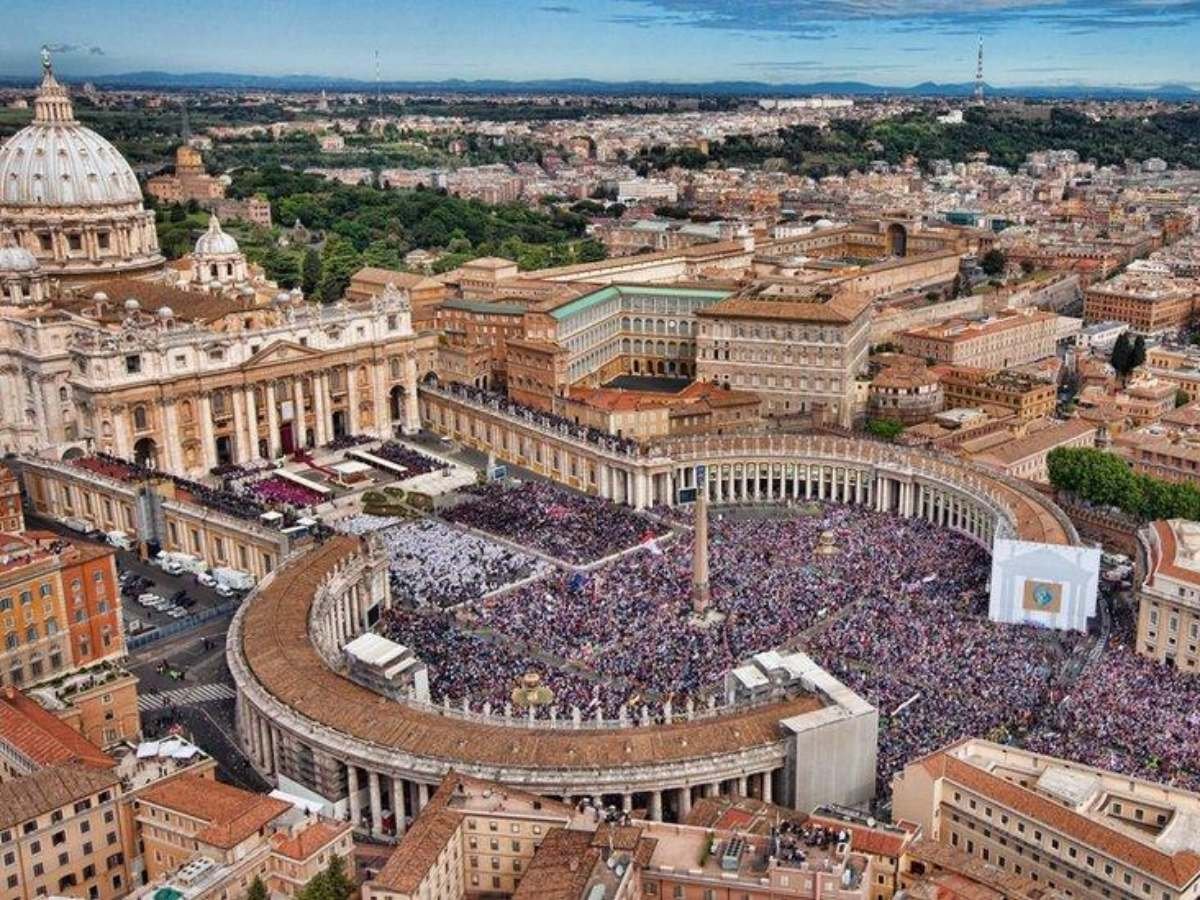
1. Vatican City
– Area: Approximately 0.49 sq km
– Capital: Vatican City
– Population: Around 800
– Currency: Euro
Located entirely within Rome, Italy, Vatican City is the smallest sovereign state in the world. It serves as the headquarters of the Roman Catholic Church and is the residence of the Pope.
Despite its tiny size, the country is home to major religious and cultural landmarks, including St Peter’s Basilica and the Vatican Museums. It also has its own governance and administrative institutions.
2. Monaco
– Area: Approximately 2.02 sq km
– Capital: Monaco, a city-state
– Population: Around 39,000
– Currency: Euro
Monaco lies on the French Riviera along the Mediterranean coast. It is known for its luxury hotels, casinos, yacht-filled harbour and the annual Monaco Grand Prix. Although its territory is extremely small, Monaco is one of the world’s most densely populated countries and a prominent destination for luxury tourism.
3. Nauru
– Area: Approximately 21 sq km
– Capital: No officially designated capital; Yaren is the de facto administrative centre
– Population: Around 13,000
– Currency: Australian dollar
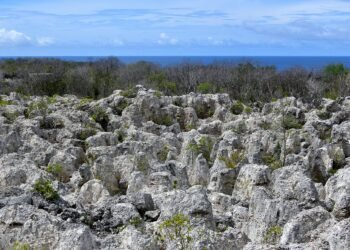
Nauru is a small island country in the Pacific Ocean and is widely recognised as the world’s smallest island nation by area. Its economy was historically shaped by phosphate mining. Today, the country faces challenges associated with its limited land, environmental damage and dependence on external economic support.
4. Tuvalu
– Area: Approximately 26 sq km
– Capital: Funafuti
– Population: Around 11,000
– Currency: Australian dollar; Tuvalu also issues its own coins
Tuvalu is a Pacific island country made up of low-lying coral atolls and reef islands. Its capital, Funafuti, is centred around a lagoon surrounded by narrow strips of land. The country is particularly vulnerable to rising sea levels, coastal flooding and saltwater intrusion. Climate change has consequently become a major concern for its future.
5. San Marino
– Area: Approximately 61 sq km
– Capital: San Marino
– Population: Around 34,000
– Currency: Euro
Surrounded entirely by Italy, San Marino is a small European republic known for its historic architecture and mountainous scenery. The country traces its traditional founding to AD 301 and is often described as one of the world’s oldest surviving republics. Its historic centre and Mount Titano are recognised as a UNESCO World Heritage Site.
6. Liechtenstein
– Area: Approximately 160 sq km
– Capital: Vaduz
– Population: Around 40,000
– Currency: Swiss franc
Liechtenstein is a small Alpine principality located between Switzerland and Austria. Its landscape features mountains, valleys and picturesque villages. It is also known for its financial services sector and industrial businesses. Liechtenstein is described as a doubly landlocked country because both it and the countries surrounding it have no direct access to the sea.
7. Marshall Islands
– Area: Approximately 181 sq km
– Capital: Majuro
– Population: Around 42,000
– Currency: US dollar
The Marshall Islands consist of numerous islands and coral atolls in the central Pacific Ocean. Majuro, the capital, is an important centre for government, commerce and transport. The country has a significant connection to the history of the Second World War and subsequent US nuclear testing in the region. Like other low-lying Pacific nations, it is also vulnerable to rising sea levels.
8. Saint Kitts and Nevis
– Area: Approximately 261 sq km
– Capital: Basseterre
– Population: Around 48,000
– Currency: East Caribbean dollar
Saint Kitts and Nevis is a two-island country in the Caribbean and the smallest sovereign state in the Americas by area. Its economy relies heavily on tourism and services. Visitors are drawn to its beaches, tropical landscapes, historic sites and volcanic mountains.
9. Maldives
– Area: Approximately 300 sq km of land
– Capital: Malé
– Population: Around 520,000
– Currency: Maldivian rufiyaa
The Maldives is an island nation in the Indian Ocean made up of hundreds of islands grouped into coral atolls. It is internationally known for its beaches, clear waters and overwater resorts. Tourism and fishing are important parts of its economy. Because much of its land lies close to sea level, coastal erosion and rising sea levels pose serious long-term challenges.
10. Malta
– Area: Approximately 316 sq km
– Capital: Valletta
– Population: Around 535,000
– Currency: Euro
Malta is a Mediterranean island country located south of Italy. Its history reflects the influence of several civilisations, including the Phoenicians, Romans, Arabs and British. The capital, Valletta, is known for its historic buildings, fortifications and churches. Tourism, financial services and other service industries play important roles in the country’s economy.