Trinidad and Tobago and the wider Caribbean have taken another important step in strengthening international cooperation against organised crime through engagement with the European Atlas Nexus initiative.
Described as the largest bi-regional law enforcement operation against organised crime involving Europe, Latin America and the Caribbean, the initiative reflects a reality that every nation now faces: modern criminal networks operate across borders, making it impossible for any single country to combat them alone. Whether trafficking drugs, firearms, ammunition or human beings, criminal organisations move freely across jurisdictions, exploiting weaknesses in laws, technology and enforcement systems.
The European Atlas Nexus initiative complements other international efforts, including the United States-led Shield of the Americas programme launched earlier this year, to which Trinidad and Tobago is a signatory under Prime Minister Kamla Persad-Bissessar’s administration. Together, these initiatives underscore the growing recognition that transnational crime demands a coordinated global response.
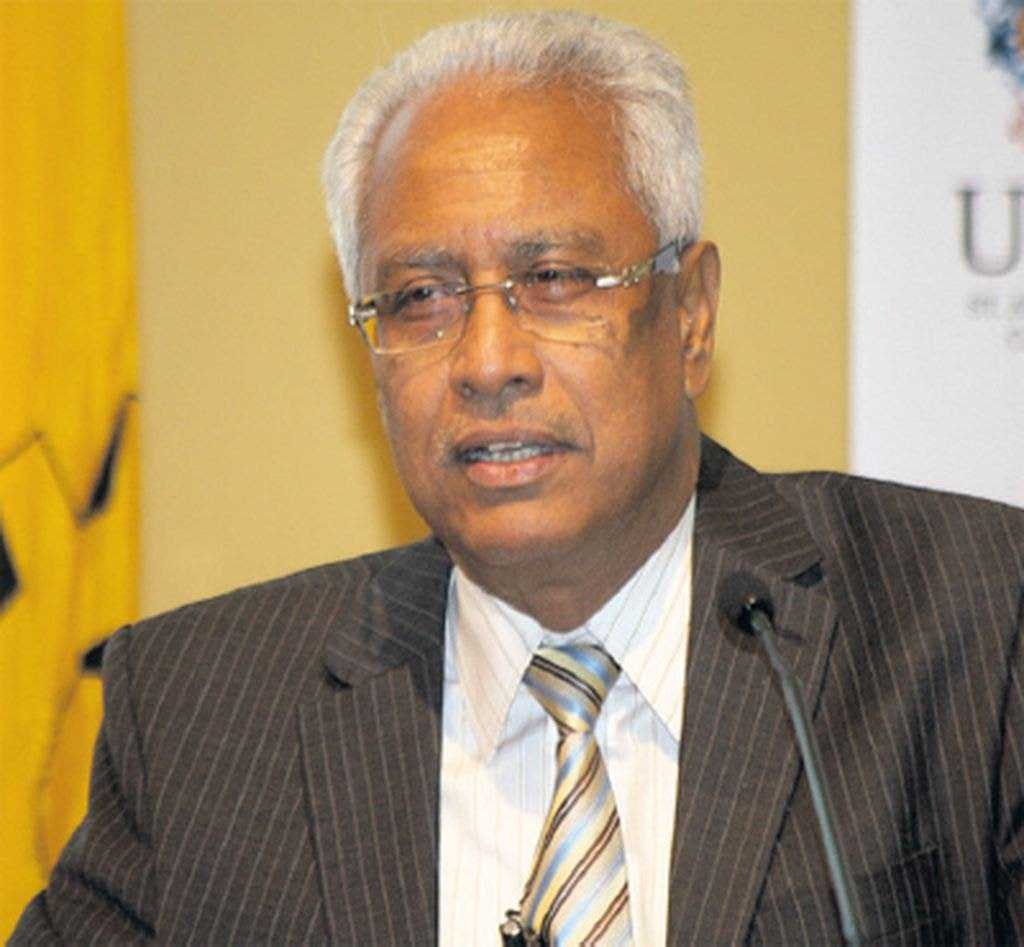
European Union Director for the Americas Pelayo Castro has called for deeper cooperation between Europe and the Caribbean. The scale of the Atlas Nexus operation demonstrates its potential value. The partnership reportedly involves more than 35 countries and 800 law enforcement officers and has already contributed to the seizure of 150 tonnes of cocaine and the arrest of more than 500 suspected criminals, including members of international gangs and drug cartels.
For more than two decades, Trinidad and Tobago and regional governments have sought to strengthen anti-crime collaboration through institutions such as the Regional Security System and the Caribbean Community Implementation Agency for Crime and Security (IMPACS). Expanding cooperation beyond the region is a logical and necessary response to criminal organisations whose operations, finances and influence span continents.
International partnerships, however, will only achieve their full potential if they are matched by sustained commitment at home. One persistent challenge has been the inability of governments and opposition parties to consistently work together on anti-crime legislation. Effective laws, timely reforms and strong institutions are essential to supporting international cooperation and ensuring that criminals can be investigated, prosecuted and punished.
Crime does not recognise political boundaries, and combating it requires political maturity that rises above partisan interests. Governments, opposition parties and civil society must recognise that public safety is a national priority that demands cooperation, not division.
There is also a broader lesson in these international initiatives. As criminal networks become increasingly sophisticated and globalised, countries must be willing to share intelligence, expertise and technology. Small states such as Trinidad and Tobago stand to benefit significantly from access to advanced investigative tools, training and best practices developed through partnerships with larger international agencies.
The fight against organised crime is no longer solely a national or regional undertaking. It is part of a wider global effort requiring collaboration across borders and institutions. Trinidad and Tobago and its Caribbean neighbours should embrace every opportunity to strengthen those partnerships, deepen intelligence sharing and adopt modern approaches to law enforcement. In a world where criminal enterprises operate internationally, effective resistance must be global as well.