Wednesday, June 24, 2026
    The GeoStrategic Consensus
    No Result
    View All Result
    • Login
    • HOME
    • AMERICAS
      • Argentina
      • Brazil
      • Canada
      • Chile
      • Colombia
      • Costa Rica
      • Cuba
      • Dominican Republic
      • Ecuador
      • El Salvador
      • Greenland
      • Guatemala
      • Honduras
      • Mexico
      • Nicaragua
      • Panama
      • Paraguay
      • Peru
      • United States
      • Uruguay
      • Venezuela
    • ASIA-PACIFIC
      • Australia
      • Brunei Darussalam
      • Cambodia
      • China
      • Federated States of Micronesia
      • Fiji
      • Indonesia
      • Japan
      • Kiribati
      • Laos
      • Malaysia
      • Marshall Islands
      • Mongolia
      • Myanmar
      • Nauru
      • New Zealand
      • North Korea
      • Palau
      • Papua New Guinea
      • Philippines
      • Samoa
      • Singapore
      • Solomon Islands
      • South Korea
      • Taiwan
      • Thailand
      • Timor-Leste
      • Tonga
      • Tuvalu
      • Vanuatu
      • Vietnam
    • CARICOM
      • CARICOM – Non-English
        • Haiti
        • Suriname
      • CARICOM Associates
        • Anguilla
        • Bermuda
        • British-Virgin-Islands
        • Cayman-Islands
        • Curacao
        • Turks-and-Caicos
      • CARICOM English
        • Antigua and Barbuda
        • Barbados
        • Belize
        • Dominica
        • Grenada
        • Guyana
        • Jamaica
        • Montserrat
        • Saint Kitts and Nevis
        • Saint Lucia
        • Saint Vincent and the Grenadines
        • The Bahamas
        • Trinidad and Tobago
    • EURASIA
      • Armenia
      • Azerbaijan
      • Balarus
      • Georgia
      • Kazakhstan
      • Kyrgyzstan
      • Moldova
      • Russia
      • Tajikistan
      • Turkmenistan
      • Ukraine
      • Uzbekistan
    • EUROPE
      • Albania
      • Andorra
      • Austria
      • Bosnia and Herzegovina
      • Bulgaria
      • Croatia
      • Cyprus
      • Czech Republic
      • Denmark
      • Estonia
      • Finland
      • France
      • Germany
      • Greece
      • Holy See
      • Hungary
      • Iceland
      • Ireland
      • Italy
      • Kosovo
      • Latvia
      • Liechtenstein
      • Lithuania
      • Luxembourg
      • Malta
      • Monaco
      • Montenegro
      • Netherlands
      • North Macedonia
      • Norway
      • Poland
      • Portugal
      • Romania
      • San Marino
      • Serbia
      • Slovakia
      • Slovenia
      • Spain
      • Sweden
      • Switzerland
      • United Kingdom
    • MIDDLE EAST AND NORTH AFRICA
      • Algeria
      • Bahrain
      • Egypt
      • Iran
      • Iraq
      • Israel
      • Jordan
      • Kuwait
      • Lebanon
      • Lybia
      • Morocco
      • Oman
      • Palestinian Territories
      • Qatar
      • Saudi Arabia
      • Syria
      • Tunisia
      • Turkey
      • United Arab Emirates
      • Western Sahara
      • Yemen
    • SOUTH ASIA
      • Afghanistan
      • Bangladesh
      • Bhutan
      • India
      • Maldives
      • Nepal
      • Pakistan
      • Sri Lanka
    • SUB-SAHARAN AFRICA
      • Angola
      • Benin
      • Botswana
      • Burkina Faso
      • Burundi
      • Cabo Verde
      • Cameroon
      • Central African Republic
      • Chad
      • Comoros
      • Cote d’Ivoire
      • Democratic Republic of the Congo
      • Djibouti
      • Equatorial Guinea
      • Eritrea
      • Eswatini
      • Ethiopia
      • Gabon
      • Gambia
      • Ghana
      • Guinea
      • Guinea Bissau
      • Kenya
      • Lesotho
      • Liberia
      • Madagascar
      • Malawi
      • Mali
      • Mauritania
      • Mauritius
      • Mozambique
      • Namibia
      • Niger
      • Nigeria
      • Republic of the Congo
      • Rwanda
      • Sao Tome and Principe
      • Senegal
      • Seychelles
      • Sierra Leone
      • Somalia
      • South Africa
      • South Sudan
      • Sudan
      • Tanzania
      • Togo
      • Uganda
      • Zambia
      • Zimbabwe
    • HOME
    • AMERICAS
      • Argentina
      • Brazil
      • Canada
      • Chile
      • Colombia
      • Costa Rica
      • Cuba
      • Dominican Republic
      • Ecuador
      • El Salvador
      • Greenland
      • Guatemala
      • Honduras
      • Mexico
      • Nicaragua
      • Panama
      • Paraguay
      • Peru
      • United States
      • Uruguay
      • Venezuela
    • ASIA-PACIFIC
      • Australia
      • Brunei Darussalam
      • Cambodia
      • China
      • Federated States of Micronesia
      • Fiji
      • Indonesia
      • Japan
      • Kiribati
      • Laos
      • Malaysia
      • Marshall Islands
      • Mongolia
      • Myanmar
      • Nauru
      • New Zealand
      • North Korea
      • Palau
      • Papua New Guinea
      • Philippines
      • Samoa
      • Singapore
      • Solomon Islands
      • South Korea
      • Taiwan
      • Thailand
      • Timor-Leste
      • Tonga
      • Tuvalu
      • Vanuatu
      • Vietnam
    • CARICOM
      • CARICOM – Non-English
        • Haiti
        • Suriname
      • CARICOM Associates
        • Anguilla
        • Bermuda
        • British-Virgin-Islands
        • Cayman-Islands
        • Curacao
        • Turks-and-Caicos
      • CARICOM English
        • Antigua and Barbuda
        • Barbados
        • Belize
        • Dominica
        • Grenada
        • Guyana
        • Jamaica
        • Montserrat
        • Saint Kitts and Nevis
        • Saint Lucia
        • Saint Vincent and the Grenadines
        • The Bahamas
        • Trinidad and Tobago
    • EURASIA
      • Armenia
      • Azerbaijan
      • Balarus
      • Georgia
      • Kazakhstan
      • Kyrgyzstan
      • Moldova
      • Russia
      • Tajikistan
      • Turkmenistan
      • Ukraine
      • Uzbekistan
    • EUROPE
      • Albania
      • Andorra
      • Austria
      • Bosnia and Herzegovina
      • Bulgaria
      • Croatia
      • Cyprus
      • Czech Republic
      • Denmark
      • Estonia
      • Finland
      • France
      • Germany
      • Greece
      • Holy See
      • Hungary
      • Iceland
      • Ireland
      • Italy
      • Kosovo
      • Latvia
      • Liechtenstein
      • Lithuania
      • Luxembourg
      • Malta
      • Monaco
      • Montenegro
      • Netherlands
      • North Macedonia
      • Norway
      • Poland
      • Portugal
      • Romania
      • San Marino
      • Serbia
      • Slovakia
      • Slovenia
      • Spain
      • Sweden
      • Switzerland
      • United Kingdom
    • MIDDLE EAST AND NORTH AFRICA
      • Algeria
      • Bahrain
      • Egypt
      • Iran
      • Iraq
      • Israel
      • Jordan
      • Kuwait
      • Lebanon
      • Lybia
      • Morocco
      • Oman
      • Palestinian Territories
      • Qatar
      • Saudi Arabia
      • Syria
      • Tunisia
      • Turkey
      • United Arab Emirates
      • Western Sahara
      • Yemen
    • SOUTH ASIA
      • Afghanistan
      • Bangladesh
      • Bhutan
      • India
      • Maldives
      • Nepal
      • Pakistan
      • Sri Lanka
    • SUB-SAHARAN AFRICA
      • Angola
      • Benin
      • Botswana
      • Burkina Faso
      • Burundi
      • Cabo Verde
      • Cameroon
      • Central African Republic
      • Chad
      • Comoros
      • Cote d’Ivoire
      • Democratic Republic of the Congo
      • Djibouti
      • Equatorial Guinea
      • Eritrea
      • Eswatini
      • Ethiopia
      • Gabon
      • Gambia
      • Ghana
      • Guinea
      • Guinea Bissau
      • Kenya
      • Lesotho
      • Liberia
      • Madagascar
      • Malawi
      • Mali
      • Mauritania
      • Mauritius
      • Mozambique
      • Namibia
      • Niger
      • Nigeria
      • Republic of the Congo
      • Rwanda
      • Sao Tome and Principe
      • Senegal
      • Seychelles
      • Sierra Leone
      • Somalia
      • South Africa
      • South Sudan
      • Sudan
      • Tanzania
      • Togo
      • Uganda
      • Zambia
      • Zimbabwe
    No Result
    View All Result
    Agentially
    No Result
    View All Result
    Home SOUTH ASIA Bhutan

    Traditional costumes of Bhutan and the evolution of kira

    The Analyst by The Analyst
    June 24, 2026
    in Bhutan
    Traditional costumes of Bhutan and the evolution of kira

    READ ALSO

    The Willing Story: Hospitality, Heritage, and Homecoming in Trongsa

    Phuentsholing Immigration Upgrade Expected to Improve Tourist Arrival Experience


    Traditional costumes of Bhutan and the evolution of kira

    The Kingdom of Bhutan is unique for many reasons, but one peculiarity that sets them apart is their dress code.
    Traditional costumes of Bhutan and the evolution of kira

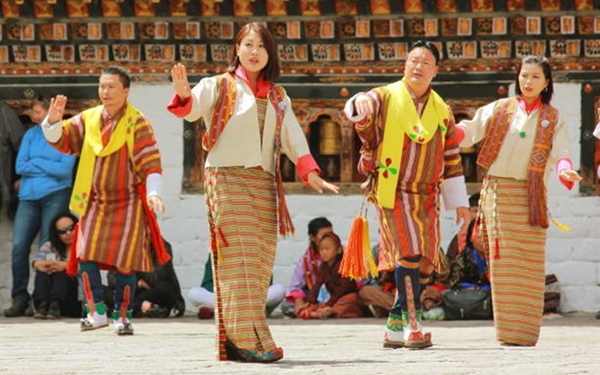
    Walk into Bhutan today, and you will see men and women, young and old, clad in their traditional costumes of catchy colours, all made of Bhutanese textile.

    The national costumes — gho for men and kira for women — were introduced in the 17th century by Zhabdrung Ngawang Namgyel to provide the Bhutanese with a unique identity.

    And in an effort to promote its cultural heritage, since 1989, it has been made compulsory for Bhutanese to wear their traditional costume in school, government offices, during festivals, and on important occasions.

    What’s in Bhutan’s Traditional Costumes?

    Here’s a quick overview of the different parts of the traditional costumes in Bhutan.

    1. Gho

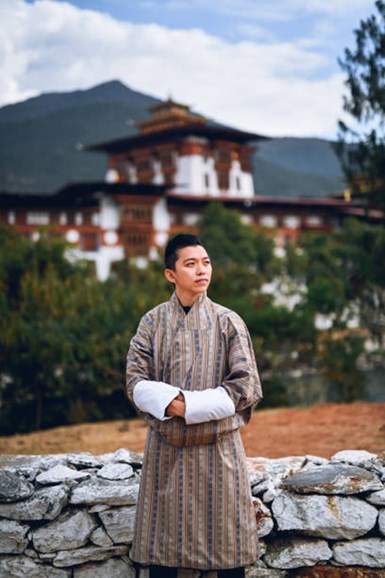
    Some tourists might be puzzled when they see Bhutanese men in dresses, but make no mistake, this is no western dress; it is the gho.

    Gho is the national attire for Bhutanese men, a long robe similar to the Tibetan chuba. It hangs till the knees. It is typically of plaid or striped design, and can be of any colour.

    Nonetheless, flowered patterns are a taboo, and solid reds and yellows are avoided because they are associated with the monks and royals respectively.

    The upper half of the gho serves as a pocket. Some joke that the pocket is so huge that they can carry their baby in it. “The world’s largest pocket”, they say.

    Traditionally, a Bhutanese man wears under his gho what a true Scotsman wears under his kilt—nothing. But nowadays, the Bhutanese men usually wear a pair of shorts.

    During the winter, they normally wear jeans or tracksuits.

    In Thimphu, the rule of thumb is that legs should not be covered until winter arrives, and this is defined as when the monks move to Punakha.
    bhutan national costume gho

    1. Kera

    The gho is held in place by a woven cloth belt called kera. The kera not only adds aesthetic value, but also forms a large pouch that was traditionally used to carry a bowl and a small dagger.

    Nowadays, Bhutanese use it to carry their wallet and mobile phone. 

    One man shared that everyday, he looked forward to loosening the tight kera around his waist.

    1. Kira

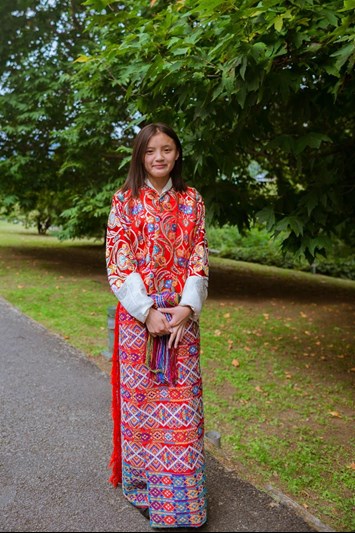
    The apron-like dress popular among the Bhutanese womenfolk is called the kira. It is ankle-length and is basically a rectangular piece of cloth that wraps around the body. Bhutanese women either wear a full kira (like a dress) or a half kira (like a skirt).

    The kira is fastened at the shoulders by complicated silver hooks called koma, and at the waist with a belt that could be either silver or cloth.

    For day-to-day wear, women usually wear kiras made of striped cloth with a double-sided design, whereas on special occasions, they wear bright coloured kiras with dazzling patterns and embroideries.
    bhutanese traditional costume women kira

    Check out the exquisite kiras worn by the gorgeous Queen of Bhutan.

    1. Wonju

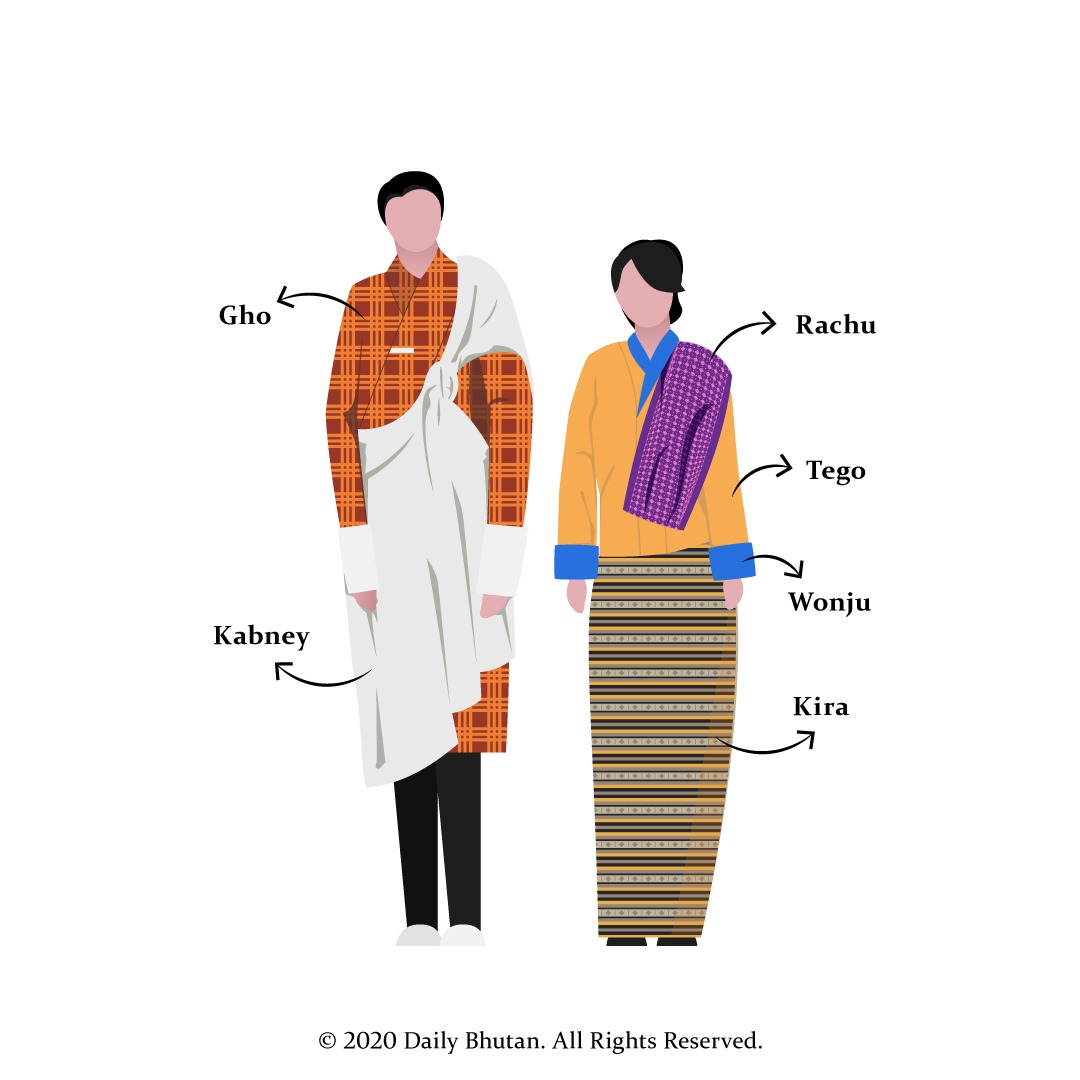
    Underneath the kira is a long-sleeved blouse called the wonju. They come in different patterns and colours, and can be found in a range of different materials.
    bhutanese traditional costume kira and gho illustration

    1. Toego or Tego

    To spruce up the kira is the toego, a short, jacket-like garment. It is usually of a different pattern, fabric, and colour from the long robe.

    1. Rachu

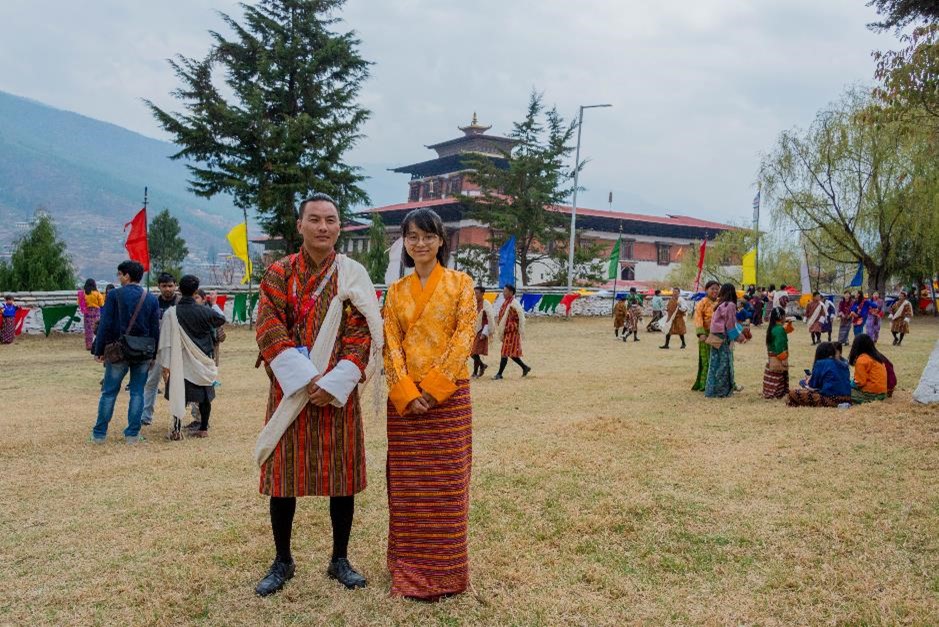
    When attending formal gatherings or visiting a place of worship, the women drapes a ceremonial scarf over their left shoulders, as a mark of respect. 

    This scarf is called a rachu. It is part of the full formal attire when entering important places such as government offices or the dzongs (ancient fortresses). It is usually colourful and comes in different patterns and designs.

    1. Kabney

    Meanwhile, Bhutanese men wear kabney, a ceremonial scarf that is slung across the shoulder. Similar to the rachu, a kabney is required when a male enters the dzong or government offices.

    The colour of the kabney depends on the position the person holds in Bhutanese society. When meeting a person of higher position, or attending important national events, Bhutanese are to adhere to this protocol.
    bhutanese traditional costume women kira men gho

    The King of Bhutan adorns a yellow kabney. As the highest ranked individual in Bhutan, his kabney is quite distinct.
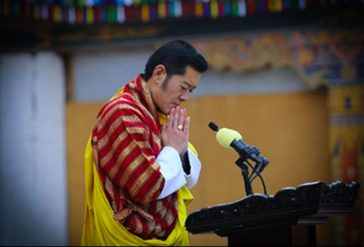
    his majesty king jigme khesar

    The Evolution of the Kira

    Although Bhutan’s traditional costume is and will continue to be a staple for ages to come, it has seen its own evolution over the years, especially the kira.

    Check out the video on the evolution of kira by Bhutan Street Fashion and Team Bhutan Production.

    Once upon a time in the 1930s, the kira was more playful. A typical kira entailed a single rectangular cloth wrapped around the wearer with a hem that teased around the calves.
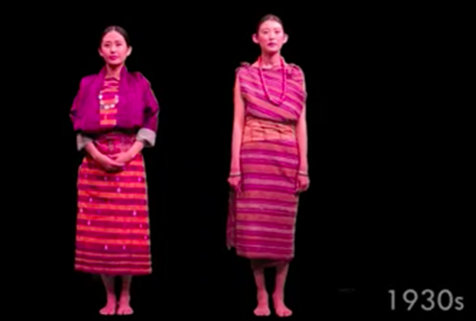
     traditional kira in bhutan 1930

    As time progressed into the 1970s, women started wearing wonju and toego with bold and bright floral patterns. The hem now reached the ankles.
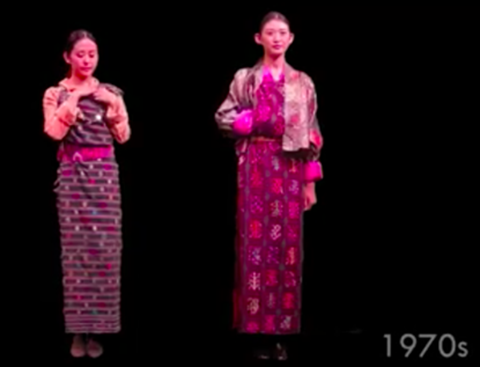
     traditional kira in bhutan 1970

    Towards the 1980s, kiras became cooler shades. Thick, distinct belts were trendy.
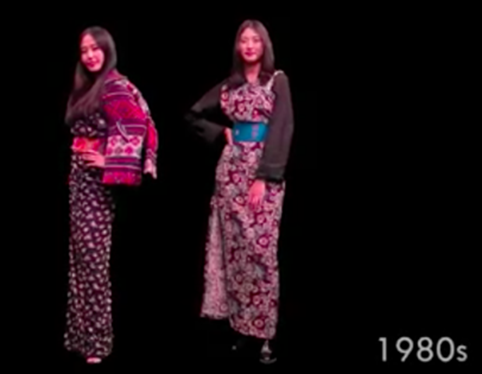
     traditional kira in bhutan 1980

    Next, in the 1990s, pastel colours increased in popularity. Distinctly coloured tegos became a favourite.
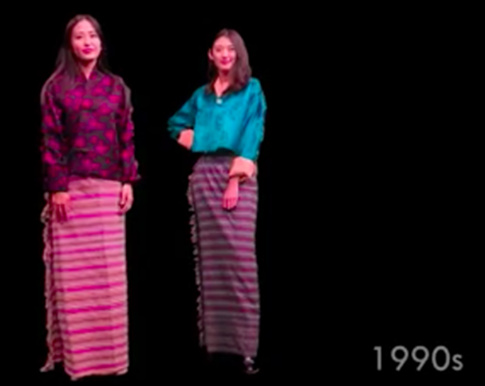
     traditional kira in bhutan 1990

    In the 2000s, the florals came back into fashion. The toegos opened up in front, and front panels overlapped like a kimono.
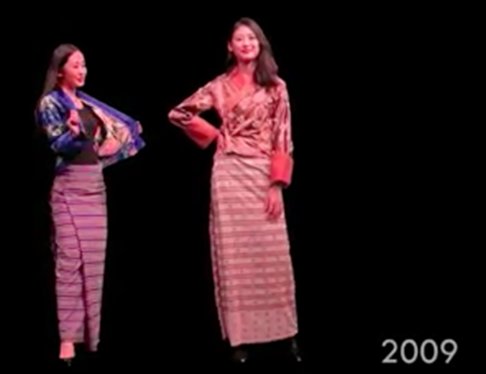
     traditional kira in bhutan 2009

    Today in 2021, the cooler colours are back, and bold prints are out for awhile. Nonetheless, fashion is a cycle, so fingers crossed.
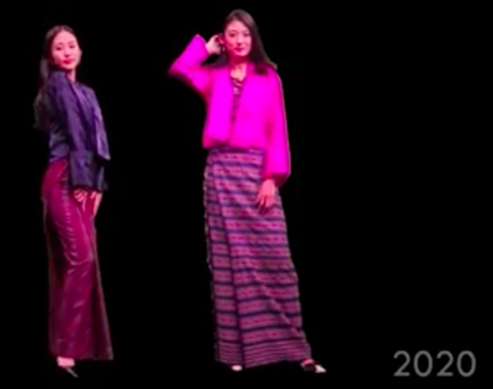
     traditional kira in bhutan 2020

    Having said that, throughout the evolution of the kira, although colour schemes and patterns might change, one thing was constant: its elegance.

    Good News for Tourists

    Tourists can opt to don the gho and kira too! Now, you can explore Bhutan while dressed like a Bhutanese.

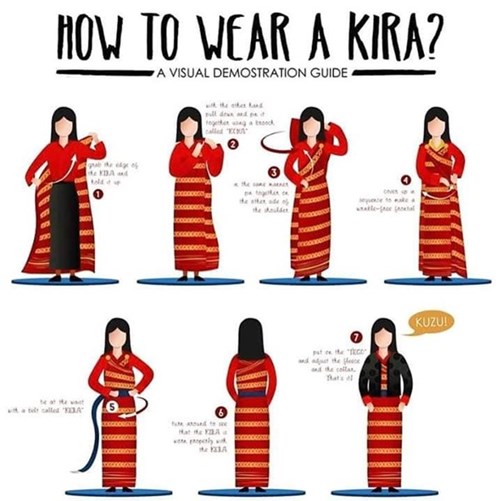
    As a guide, here are some simple instructions on how to put on a gho and kira.
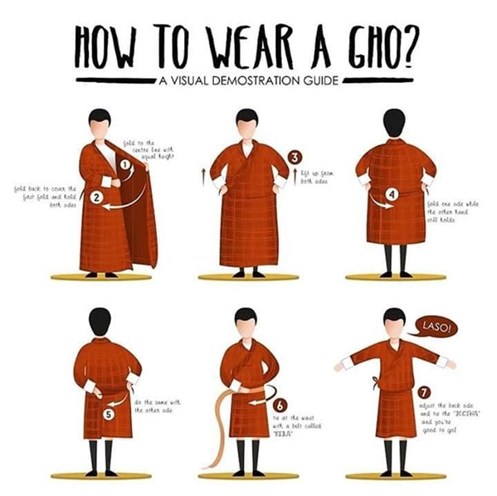
     how to wear a bhutanese gho

    how to wear a kira

    And here’s a video of how to wear the full kira.

    Bhutan Fashion Week and the Modern Evolution of Bhutanese Dress

    While the kira and gho remain deeply rooted in Bhutanese identity, Bhutan’s fashion scene has also evolved into a platform for creativity, design innovation, and cultural storytelling.

    In recent years, events such as Bhutan Fashion Week have highlighted how traditional Bhutanese textiles and tailoring continue to adapt to contemporary tastes while preserving their cultural essence. Designers are experimenting with modern silhouettes, layered styling, and new textile combinations, while still keeping Bhutanese weaving traditions at the centre of their work.

    The growing visibility of Bhutanese fashion reflects a broader shift among younger Bhutanese, who are finding new ways to express individuality through traditional attire. Subtle changes in colour palettes, embroidery, tailoring, and accessories have become increasingly common, especially in urban areas such as Thimphu.

    Bhutan Fashion Week 2025, for example, showcased collections that blended heritage craftsmanship with contemporary fashion design. The event featured both established and emerging designers, demonstrating how Bhutanese textiles can evolve without losing their cultural significance.
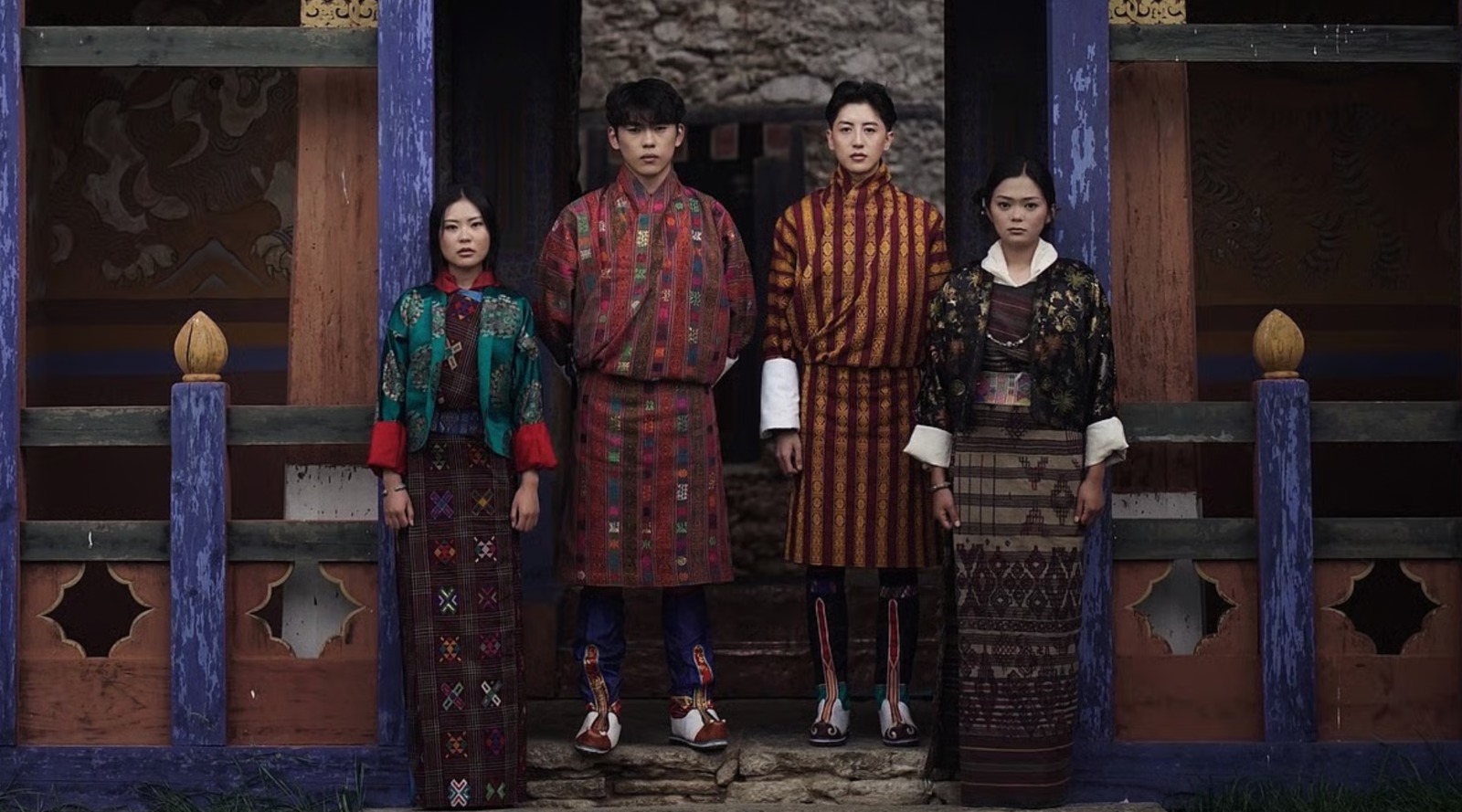
    bhutan fashion week design

    Importantly, this evolution has not replaced tradition. Instead, it has expanded the ways Bhutanese people engage with their national dress. The kira and gho continue to be worn daily across the country, but they are now also part of a growing creative industry that connects Bhutanese culture with international audiences.

    As Bhutan’s fashion sector develops, traditional clothing is no longer seen only as ceremonial or formal wear. It is increasingly viewed as a living tradition, one that continues to evolve alongside the country itself.

    Bhutan Steps Onto the Global Fashion Stage

    Bhutanese fashion has also begun attracting international attention. In 2025, Bhutan made its debut at Milan Fashion Week, marking a significant moment for the country’s creative industry.

    The showcase introduced Bhutanese textiles, craftsmanship, and traditional aesthetics to one of the world’s most recognised fashion platforms. Designers presented collections that drew inspiration from Bhutanese culture while adapting them for contemporary global audiences.

    The debut reflected a broader effort to position Bhutanese weaving and design traditions within international creative conversations. It also demonstrated how Bhutan’s handwoven textiles, many of which are produced using techniques passed down through generations, can find relevance beyond the country’s borders.

    For many Bhutanese designers and artisans, events like Milan Fashion Week represent more than fashion exposure. They provide opportunities to preserve traditional craftsmanship, support local textile industries, and introduce Bhutan’s cultural identity to new audiences around the world.
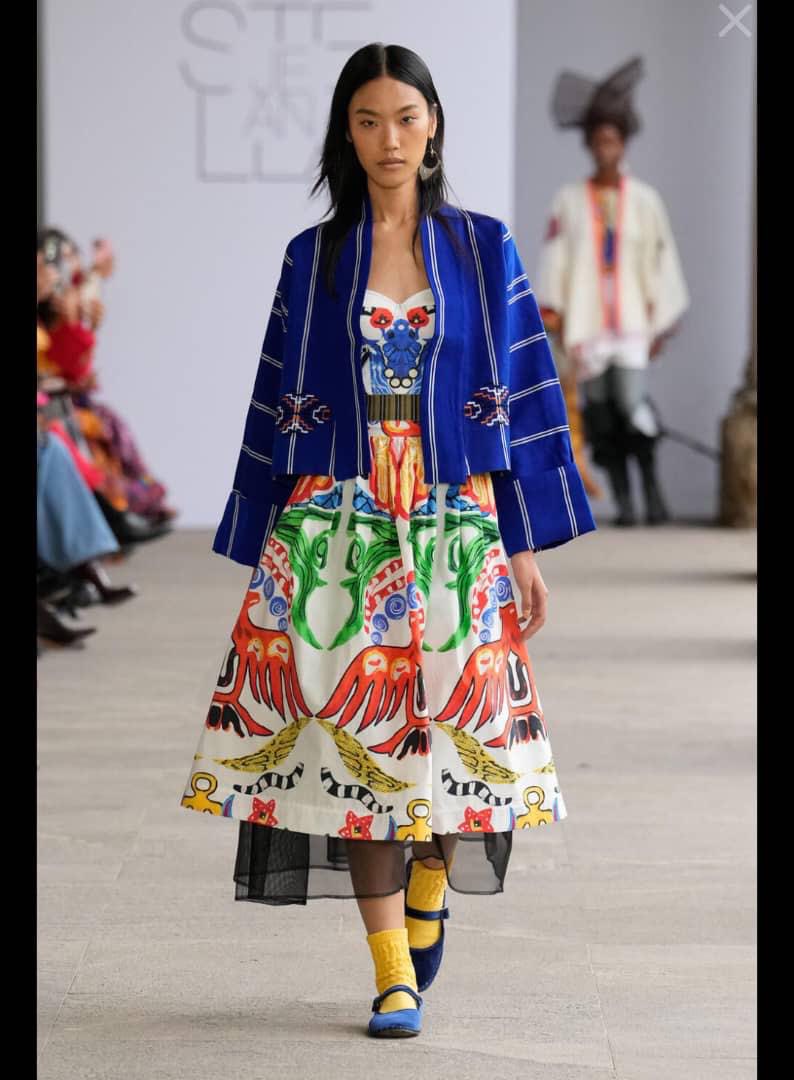
    stella jean collection bhutan at milan fashion week 3


    Source link

    Related Posts

    The Willing Story: Hospitality, Heritage, and Homecoming in Trongsa
    Bhutan

    The Willing Story: Hospitality, Heritage, and Homecoming in Trongsa

    June 24, 2026
    Phuentsholing Immigration Upgrade Expected to Improve Tourist Arrival Experience
    Bhutan

    Phuentsholing Immigration Upgrade Expected to Improve Tourist Arrival Experience

    June 24, 2026
    Haa’s Tergola Emerges as Bhutan’s New Model for Nature-Based Tourism
    Bhutan

    Haa’s Tergola Emerges as Bhutan’s New Model for Nature-Based Tourism

    June 23, 2026
    From Physical 100 to Bhutan: When Amotti and Sung Hoon Met His Majesty
    Bhutan

    From Physical 100 to Bhutan: When Amotti and Sung Hoon Met His Majesty

    June 23, 2026
    Phuntsho Dema’s Journey from Countryside to World Champion
    Bhutan

    Phuntsho Dema’s Journey from Countryside to World Champion

    June 23, 2026
    Bhutan International Marathon Saw Strong Participation from Local and International Runners
    Bhutan

    Bhutan International Marathon Saw Strong Participation from Local and International Runners

    June 23, 2026
    Next Post
    The bodies of 15 migrants were found on the coast of Libya in a week

    The bodies of 15 migrants were found on the coast of Libya in a week

    POPULAR NEWS

    Bhutan Football Steps onto a Bigger Stage with Hummel Partnership

    Bhutan Football Steps onto a Bigger Stage with Hummel Partnership

    June 23, 2026
    Trump’s threats have angered the Iranians — tense talks in Switzerland

    Trump’s threats have angered the Iranians — tense talks in Switzerland

    June 23, 2026
    What the Iran war cost the Pentagon, the economy — and Trump

    What the Iran war cost the Pentagon, the economy — and Trump

    June 23, 2026
    Magical Messi makes World Cup history to send Argentina into last 32

    Magical Messi makes World Cup history to send Argentina into last 32

    June 24, 2026
    Inga Ruginiene resigns from the position of Prime Minister in Lithuania

    Inga Ruginiene resigns from the position of Prime Minister in Lithuania

    June 24, 2026

    EDITOR'S PICK

    Another heat damage on the A13 motorway: What the Federal Roads Office says

    Another heat damage on the A13 motorway: What the Federal Roads Office says

    June 23, 2026
    A different image of Ayatollah Seyed Jutbi Khamenei and the martyred leader in Lebanon

    A different image of Ayatollah Seyed Jutbi Khamenei and the martyred leader in Lebanon

    June 23, 2026
    Opinions, Editorials, Op-Eds, Columnists from China

    Opinions, Editorials, Op-Eds, Columnists from China

    June 23, 2026
    Britain: Ten years on, Gen Z calls for new referendum

    Britain: Ten years on, Gen Z calls for new referendum

    June 23, 2026

    Recent Posts

    • Norwegians increase the number of bomb shelters
    • The Irish Times view on the UK byelection: Burnham faces Brexit’s bitter legacy – The Irish Times
    • A journalist who exposed Putin’s connection with Kabayev is found dead in Riga
    • In front of the audience – the unenacted tragedies of life: the theater stage also turned into a place of death

      © 2026 Agentially - Navigating shifting sovereignties and global risk .

      Welcome Back!

      Login to your account below

      Forgotten Password?

      Retrieve your password

      Please enter your username or email address to reset your password.

      Log In
      No Result
      View All Result

        © 2026 Agentially - Navigating shifting sovereignties and global risk .

        This website uses cookies. By continuing to use this website you are giving consent to cookies being used. Visit our Privacy and Cookie Policy.