ZANESVILLE, Ohio – Thursday was National Atomic Veterans Day so let’s take a look what an atomic veteran is through a quick history lesson.
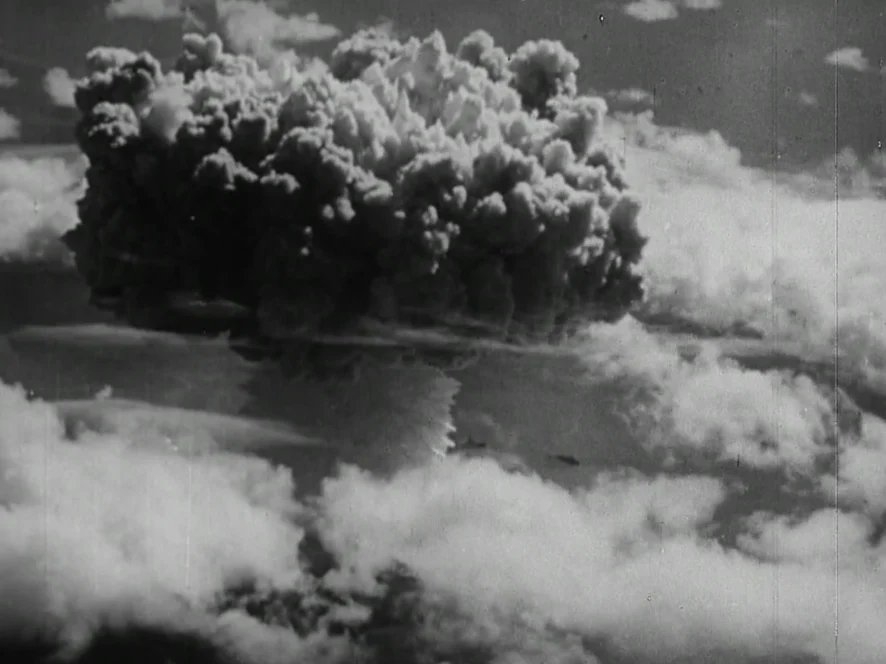
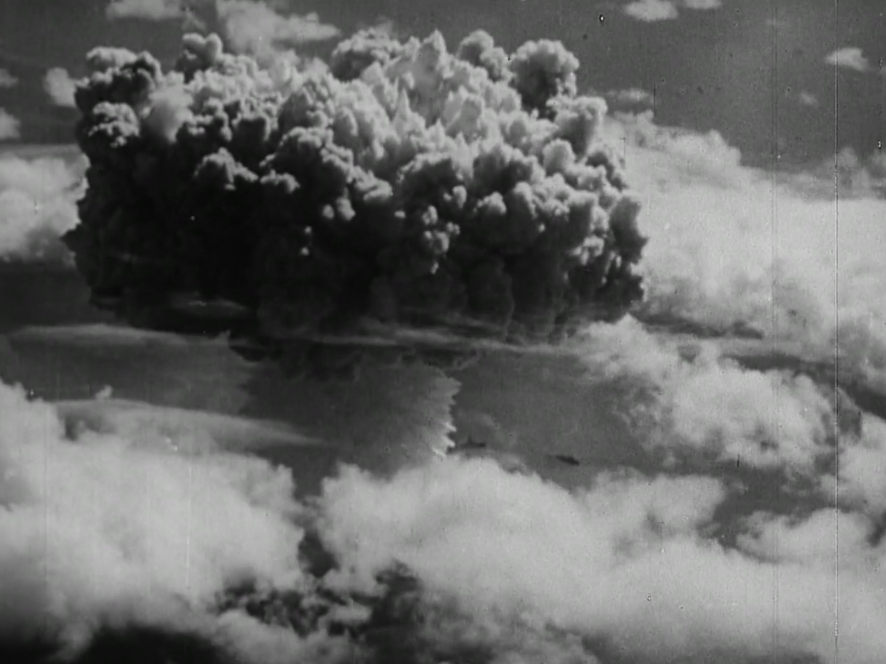
On July 16th, 1945, the United States set off the world’s first atomic explosion as a result of Oppenheimer’s work in New Mexico. After the success of what we now call the Trinity Test, the United States government would go on to drop to atomic weapons in Japan. After that, the military would continue testing weapons in the Bikini and Enewetak Atolls.
Specifically, there were 23 detonations in Bikini Atoll and 43 in the Enewetak Atoll. Between the weapons testing and the clean up efforts that tried to restore the atoll’s, an estimated 550,000 atomic veterans were exposed to ionized radiation.
“Of those, we estimate that we probably there’s about somewhere between 10 to 20,000 of them that are left, left alive,” Keith Kiefer said.
Kiefer was part of a clean up effort in the Enewetak Atoll which took place from 1977 to 1980. Their goal was to restore the atoll so that the former residents could reclaim their home with exposure to ionized radiation.
“That consisted of scraping anywhere from 5 to 15 inches of topsoil and taking other contaminated buildings and materials down and transported over to Runit Island, which is one of the northern islands, and depositing that contaminated material into Cactus Crater. And we deposit approximately 110,000 cubic yards of contaminated material in there, and then put 18 inches of concrete over top of it,” Kiefer said.
Kiefer and his fellow servicemen were not given proper personal protective equipment and even drank from water sources that turned out to be contaminated via ionized radiation. What followed them home was a list of medical conditions caused by their exposure.
“I have multiple autoimmune diseases lupus anticoagulant in this case, which is a blood clotting disorder. There’s a number of other, you know, other issues that I deal with, but the bulk of them are autoimmune diseases, which, of course, radiation exposure has a tendency to compromise your immune system.
Kiefer now serves as the national commander for an organization called the National Association of Atomic Veterans (NAAV). The group creates a shared community for atomic veterans and advocates for that community.
NAAV has successfully advocated for service medals, better VA treatment and more. You can learn more about atomic veterans like Kiefer and about NAAV by heading to their website at NAAV.com.