The losses of 4.8 billion pesos reported by the New EPS revived the debate on the results of the interventions ordered by the Government to various health system insurers. While doubts persist about the financial sustainability of these entities and the impact it may have on the care of millions of users, the Comptroller’s Office keeps the evolution of the intervened EPS under scrutiny and warns that their situation continues to deteriorate.
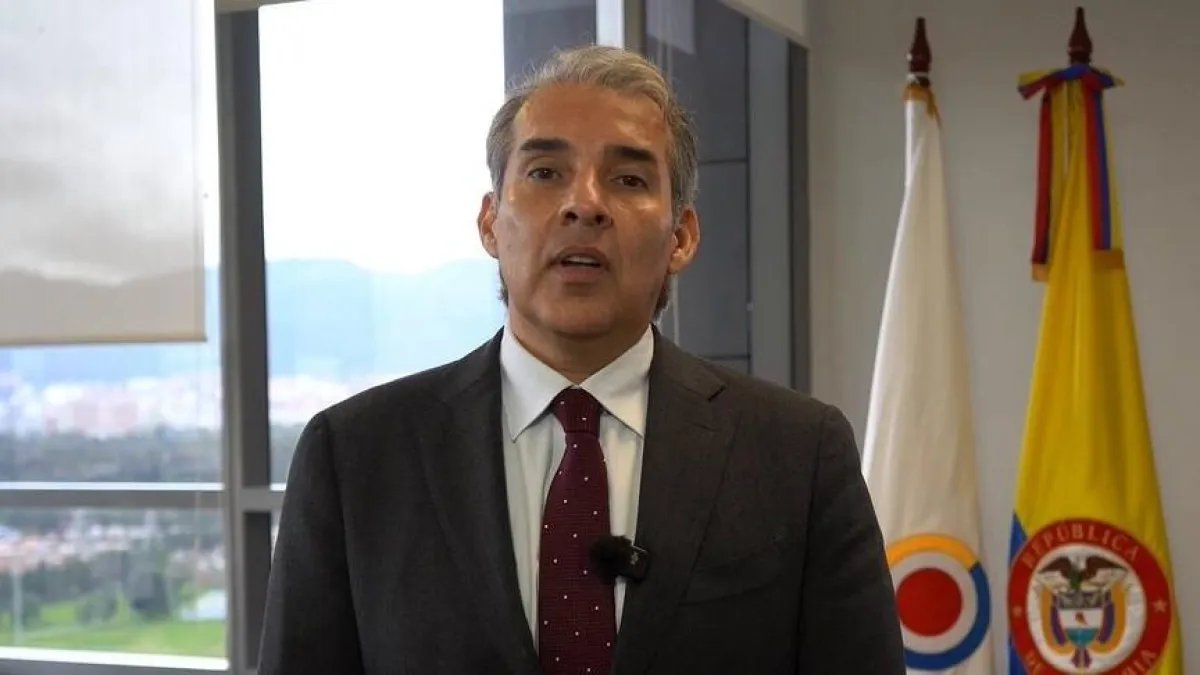
In an interview with EL TIEMPO, the delegate controller for the Health sector, Julián Niño, analyzes the financial panorama of the New EPS, evaluates the balance of the interventions of the Health Superintendency, exposes the main failures that he identifies in the system and raises the priorities that, in his opinion, the next government must assume to face the crisis.
Facades of Nueva EPS service stations in Bogotá. Photo:César Melgarejo / El Tiempo @melgarejocesarnew
The financial statements of the New EPS are known and this brings the data of losses of 4.8 billion. What opinion does the delegate have, taking into account the investment of public resources in it?
The Comptroller’s Office, through the delegate for the Health sector, has repeatedly warned of the risks derived from the lack of certified and audited financial statements of the New EPS for the periods 2023, 2024 and 2025. This situation has limited the exercise of fiscal control and prevented the establishment with certainty of the real financial situation of the entity in the sectoral analyses, and the real financial situation of the entity. Likewise, it has been difficult to objectively evaluate the impact of the use of public resources administered by this EPS and its possible effects on the guarantee of the right to health. The Comptroller’s Office will continue to exercise fiscal control and, once complete information is available, it will begin its corresponding analysis.
In the case of the New EPS, was the Government’s intervention ineffective or even more unfavorable for the EPS, which had already been showing shortcomings?
If the losses close to 4.8 billion pesos are confirmed, it would be a situation of high concern that would ratify the alerts issued by the Comptroller’s Office regarding the progressive financial deterioration of the New EPS and the results of the intervention measures adopted by the National Health Superintendence. Since the permanent monitoring exercise, the Comptroller’s Office has evidenced risks associated with the financial sustainability of this EPS, which has been intervened for more than two years. In particular, the Comptroller’s Office identified an increase in liabilities, deterioration in assets and impacts on the flow of resources for health service providers.
New EPS Photo:MAURICIO MORENO
What concerns should the New EPS user have going forward? Or shouldn’t I have them?
For the CGR, no financial or administrative situation faced by the New EPS can translate into barriers to access to health services, the timely delivery of medications, comprehensive patient care or the continuity of treatments. Users should not be affected by any difficulties that may arise in the operation of the entity. Therefore, the Comptroller General of the Republic has insisted on the need for the competent authorities to adopt the necessary measures to guarantee continuity, timeliness and quality in the provision of health services, as well as the proper administration of public resources allocated to this EPS. The priority must always be the effective protection of the fundamental right to health of users.
What is the final diagnosis regarding the other EPSs operated on?
As pointed out by the Comptroller General of the Republic in the most recent warning about the EPS intervened by the National Health Superintendency, the diagnosis shows a progressive deterioration in the financial situation of these entities from the moment of their intervention to date. The analyzes carried out by the Comptroller’s Office show that critical indicators related to equity, the level of indebtedness, liquidity, the growth of liabilities and obligations with health service providers. Consequently, the measures implemented during the interventions have not managed to reverse the critical financial situation of these EPS or restore sustainability conditions. This scenario represents a risk for the continuity, quality and opportunity in the provision of health services, as well as a possible impact on the fundamental right to health.
Photo:Edmer Tovar. ELTIEMPO
Do you recognize any type of positive action on the part of the Government with the series of interventions?
From the perspective of fiscal control, the analyzes carried out by the Comptroller General of the Republic show that, in financial terms, administrative and operational, the interventions have not been able to prevent the deterioration of the EPS as an intervention. Additionally, the Comptroller’s Office has identified that other relevant indicators, such as requests, complaints, claims and suggestions (PQRS), continue to reflect difficulties in serving users, which is a sign that problems persist in the quality, timeliness and continuity of services.
What are the shortcomings of the current health system evident?
The main shortcomings of the health system are evident in the weaknesses of the control and audit processes of medical costs.as well as in the deficiencies of management and the proper, efficient use and efficient use of public resources allocated to the system.
Taking into account the current panorama, what would you say to Supersalud?
The Comptroller’s Office, within the framework of its constitutional and legal powers, cannot co-administer or give instructions on the administrative decisions that correspond to the National Superintendency of Health or the other actors of the General Health Social Security System. Our role consists of exercising fiscal control over the management of public resources and promptly warning of risks that may compromise their proper administration or affect compliance with the purposes of the system. In this context, the Comptroller’s Office has been developing permanent monitoring of the situation of the health system and, in particular, of the intervened EPS, through the analysis of strategic milestones that allow evaluating the evolution of their financial situation, the management of public resources and the impact that this may have on the provision of health services.
superhealth building Photo:private file
What results have been achieved?
As a result of this monitoring, alerts and warnings have been issued regarding the risk situations that we identified, especially those related to the financial deterioration of the entities, the flow of resources to providers, difficulties in the audit processes and purification of medical accounts, and other factors that may affect the effective guarantee of user rights. The purpose of these actions is that the competent entities have technical and timely information that allows them to adopt the corresponding measures within the scope of their functions. in order to protect public resources, strengthen the sustainability of the system and guarantee that citizens receive continuous, timely and quality health care.
What is the message to the new government?
Within the framework of the technical analyzes carried out by the entity, the Comptroller’s Office considers it a priority to address five strategic fronts. First, it is essential to carry out a comprehensive review of the financial situation of the system and its main actors, with reliable, timely and verifiable information.which allows decisions to be made based on the financial reality of the entities. Actions must be implemented to guarantee a timely and efficient flow of resources to the public and private health service provider network.. The liquidity of hospitals, clinics and other providers is an essential element to ensure the continuity and quality of care to users. It is necessary to adopt measures that contribute to alleviating the difficulties that arise today in the access and supply of medicines, guaranteeing the timely availability of these and preventing patients from facing barriers that compromise the continuity of their treatments. It is also important to strengthen the monitoring and evaluation of intervention measures that currently fall on several EPSs and that impact more than 22 million members. Finally, it is essential to prioritize regulatory and public policy decisions aimed at correcting the structural causes of the system’s crisis, improving efficiency in the use of public resources and guaranteeing timely, continuous and quality access to health services for all Colombians.
Justice Editorial
Justicia@eltiempo.com