During recent years, the construction of a new baseball stadium in the Dominican Republic has ceased to be a simple conversation and has become a constant demand within the national sports ecosystem.
It is a request made by fans, teams, journalists and even the MLB itself agrees that the country needs a modern, functional facility in line with its historical weight in world baseball.
And, despite being considered one of the main sports powers, the Dominican Republic continues to lag behind in terms of infrastructure. The nation that produced the first undefeated World Baseball Classic championship team has missed out on that tournament. Instead, he has had to settle for exhibition or preseason games, without even having an official Major League game.
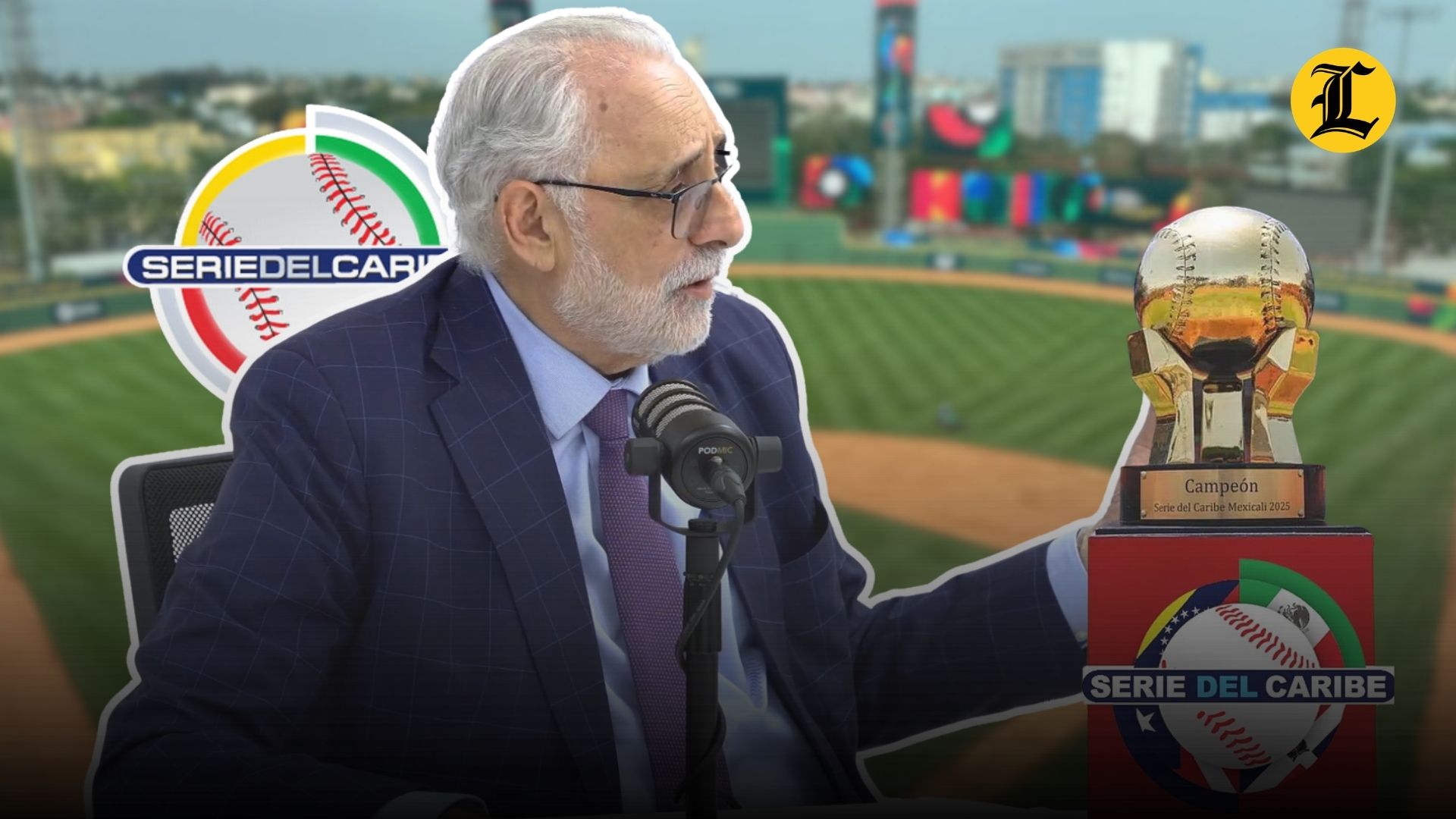
VIDEO: “There will be no Caribbean Series here without a new stadium,” warns Vitelio Mejía
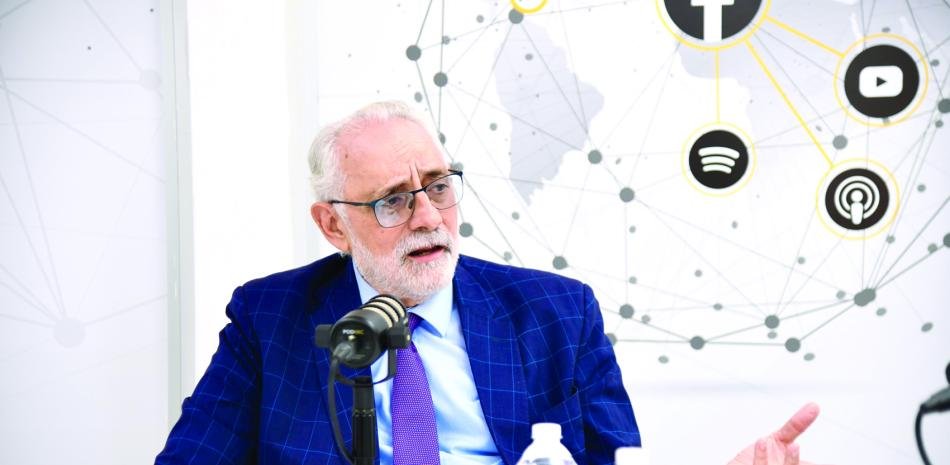
Added to this panorama is now that Dominican fans will not be able to enjoy a Caribbean Series on local soil until a new stadium is built. This was made clear by Vitelio Mejía, president of LIDOM, in an exclusive interview for Listín Diario, where he assured that the current infrastructure makes the organization of the event unfeasible.
“It is an economic reality. In the last Caribbean Series that we did here, in 2022, the league teams did not earn a single peso, mainly because the Quisqueya stadium does not have the number of fans that it deserves for a tournament like this,” said Mejía.
The main obstacle is that the Quisqueya’s capacity is around 12,000 seats. As Vitelio explained, for an event like the Caribbean Series to be profitable, a facility with at least 30,000 seats is needed, which allows the high operating costs involved in organizing the tournament to be covered.
“To be able to sustain everything that a Caribbean Series entails – accommodation of delegations, logistics, production – you need a much larger stadium. With the Quisqueya it is not possible. And furthermore, the current conditions do not allow the event to be sold at the level it is really worth,” he added.
The president of LIDOM also noted that the problem is not new. He recalled that in previous editions held in the country, such as those in 2012 and 2016, high prices ended up affecting attendance.
In this context, Mejía confirmed that the next Caribbean Series that corresponded to the Dominican Republic will be held in Miami in 2028, in a formula that he defined as beneficial for all parties.
“It’s not that the Caribbean Series was sold. Lidom is still the owner of the event. What will be done is organize it in Miami and divide the profits. It’s a win-win,” he explained.
In that model, a portion of the revenue would remain in the hands of the organizers in Miami, while the other would be managed by LIDOM, which would then distribute it among the league and its six teams.
From an economic point of view, the decision seems logical. A stadium like LoanDepot Park – with significantly greater capacity and Major League standards – can accommodate a number of fans that far exceeds that of the Quisqueya Stadium, even tripling its attendance. This translates into greater income from box office, sponsorships and consumption, without the league having to assume the operating costs that being a venue in the country would imply.