Global food insecurity is no longer the product of a series of temporary shocks, but a deeply rooted, structural crisis. Over the past decade, the number of people affected by acute hunger has doubled. This dramatic picture is traced by the Global report on food crises (Grfc) 2026, the report published today by the Global network against food crises, an international alliance that brings together the United Nations, the European Union and various governmental and non-governmental agencies.
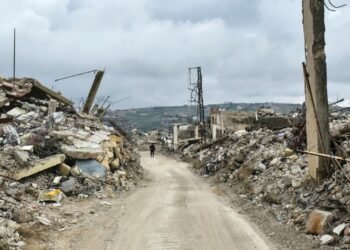
The data relating to 2025 speak clearly: 266 million people in 47 countries (almost 23% of the population analyzed) face high levels of acute food insecurity. And as needs explode, the international community takes a step back, restoring funding for food security and nutrition to the levels of nearly a decade ago. The most alarming data in this tenth edition of the report is a tragic record: for the first time since the beginning of the GRFC surveys, the Integrated Food Security Phase Classification (IPC) system confirmed two famines in two separate contexts in the same year. In 2025, famine was officially declared in Gaza governorate and some areas of Sudan. This extreme escalation of hunger is driven primarily by the proliferation of conflicts, severe restrictions on humanitarian access and mass forced displacement.
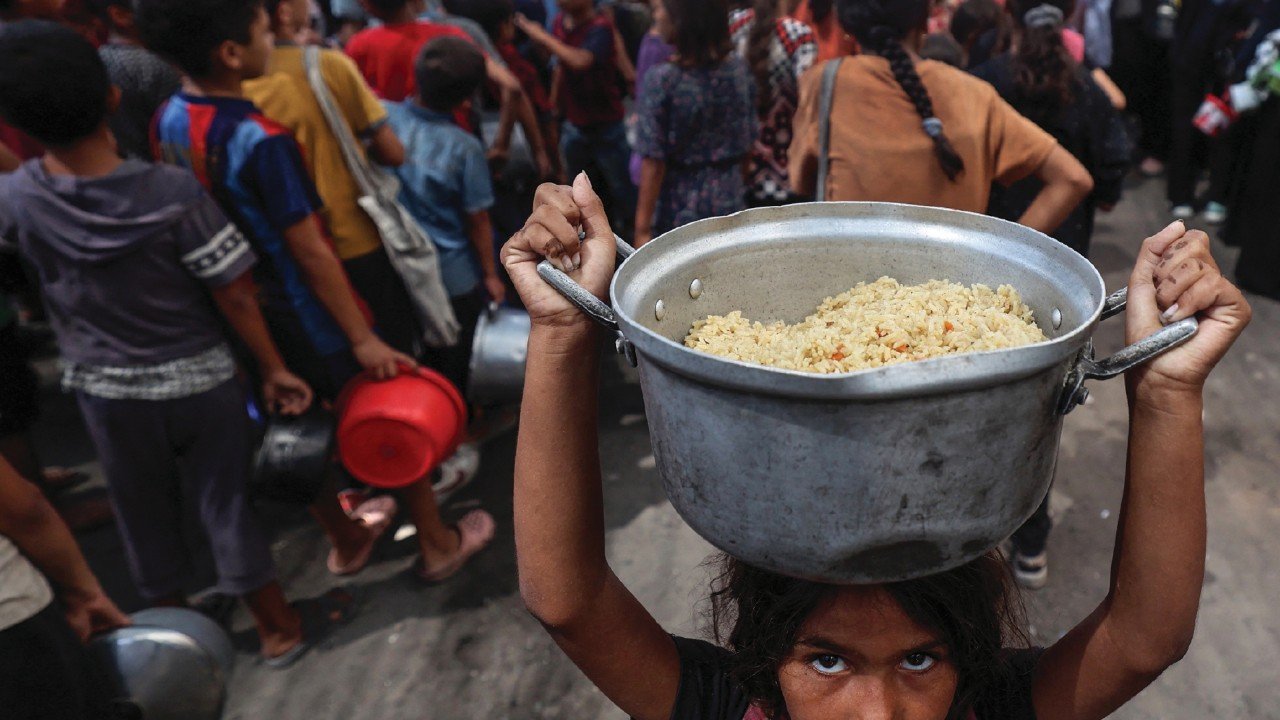
“Conflict remains the main driver of food insecurity and malnutrition for millions of people around the world,” said United Nations Secretary-General António Guterres in the document’s foreword. “This report is a call to action that urges global leaders to find the political will to rapidly increase investment in life-saving aid and work to end conflict.” The emergency is ruthlessly concentrated in specific areas of the globe. Two-thirds of all populations suffering from acute hunger are found in just ten countries, notable among which are: Afghanistan, Sudan, Yemen and Myanmar. The situation is further aggravated by the global displacement crisis. Over 85 million people (including internally displaced people, asylum seekers and refugees) have been forced to flee to contexts affected by food crises in 2025, often facing even worse levels of hunger than their host communities. Behind the large numbers lies the tragedy of the most vulnerable. In 2025, estimates indicate 35.5 million children will be affected by acute malnutrition, of which almost 10 million will be in its most severe and lethal form. These numbers, particularly serious in contexts such as Gaza, Myanmar, South Sudan and Sudan, do not derive only from the lack of food, but from the combined effect of inadequate diets, the spread of diseases and a total collapse of essential water and health services.
The 2026 report also highlights a troubling statistical paradox. While the total number of hungry people (266 million) may appear marginally lower than past peaks, this figure masks a far more serious reality: a collapse in data collection. In 2025, as many as 18 countries did not have up-to-date, comparable data for analysis. The reduction in numbers therefore indicates an information “black hole” caused by the difficulties in accessing the territories and the drastic cuts in funding, which have returned to historic lows.
The outlook for 2026 remains extremely bleak, with conflict in the Middle East threatening further instability in agri-food markets and rising logistics and energy costs globally. Faced with a now chronic emergency, international agencies are calling for a radical change of pace. It is no longer just a matter of sending emergency aid, the FAO underlines, but of investing in climate adaptation, strengthening rural economies and, above all else, imposing respect for international humanitarian law to ensure that food is never used as a weapon again (Stefano Leszczynski).