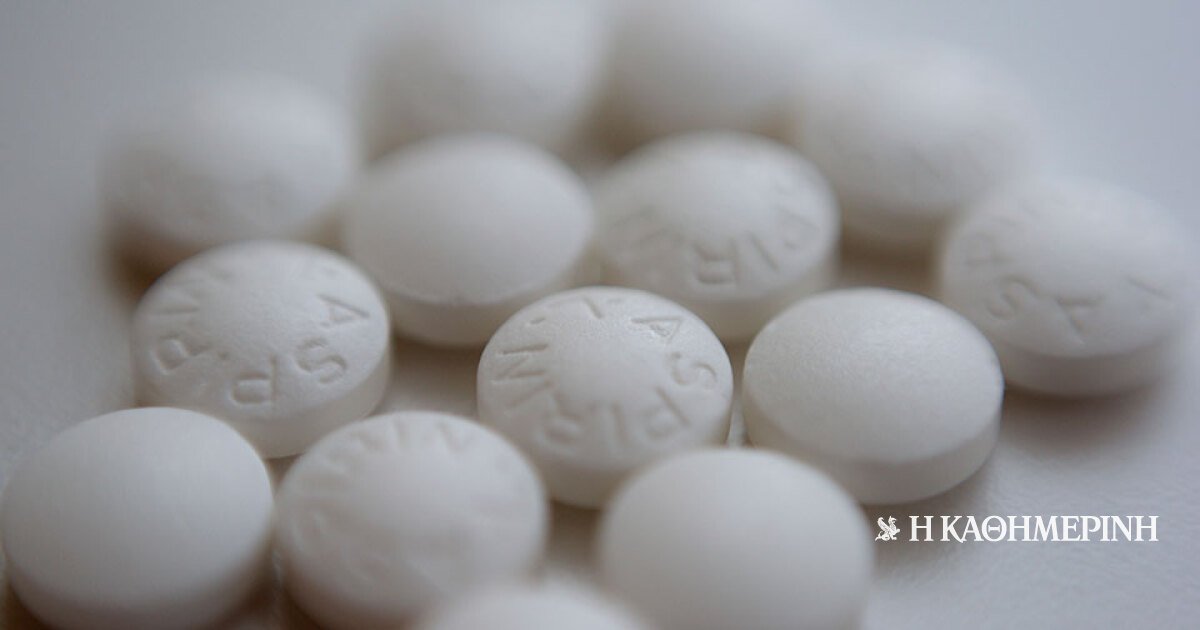
Maybe a daily dose aspirin to protect from appearance cancer; And yet, a growing body of evidence shows that this widely used painkiller prevents the formation and spread of certain tumors in the body, a fact that is already changing health policies, as featured in an article in BBC.
Recent research findings offer a remarkable new twist to the long history of the drug in question. According to the BBC, there has long been evidence that aspirin can reduce the chances of cancer spreading colon or even his appearance itself. Some countries have already amended their medical guidelines to include the pill as a first line of defense for those most at risk (although experts stress this should always be done under a doctor’s supervision). In a landmark study published in 2020, Newcastle University professor of clinical genetics John Byrne and his team found that people who had taken 600mg of aspirin daily for at least two years roughly halved their risk of colon cancer. In this research, 861 patients participated, whom the scientists followed for ten years. Meanwhile, Bern’s team conducted a second study, which is currently under scientific review. Early results show that a much lower dose of aspirin (75-100 mg), similar to what people take for prevention of cardiovascular eventsis just as effective, if not more so.
The importance of dose
The height of the dose matters, as aspirin can have unpleasant side effectssuch as indigestion, internal bleeding, stomach ulcers and even brain bleeding. Therefore, the lower dose may be preferable.

In the UK, after the aforementioned research, doctors began recommending to people with Lynch syndrome taking aspirin daily from around the age of 20, or from the age of 35 for less severe cases.
Another study looked at whether aspirin can reduce risk of metastasis in people already diagnosed with colon cancer. Patients with specific mutations who received aspirin within three months of their surgery had a reduced risk of recurrence. The relevant study was published in September 2025 in Sweden. From January 2026, colon cancer patients in Sweden will be screened for these mutations and, if detected, offered low-dose aspirin. Although it is not yet fully understood whether aspirin can offer protection against other types of cancer, answers may soon be provided. OR Ruth Langleyprofessor of oncology and clinical trials at UCL, is currently conducting a large study of 11,000 participants who have had colon, breast, gastroesophageal or prostate cancer in the UK, Ireland and India. Her team will examine the effect of a daily preventive dose of 100 mg or 300 mg of aspirin, and the results of the research are expected within the next year.

Exactly who should take aspirin and when remains a matter of debate. Some researchers believe that the combined benefits for cardiovascular disease and cancer should encourage its wider use. However, the majority of experts argue that this use should be limited to certain types of patients.