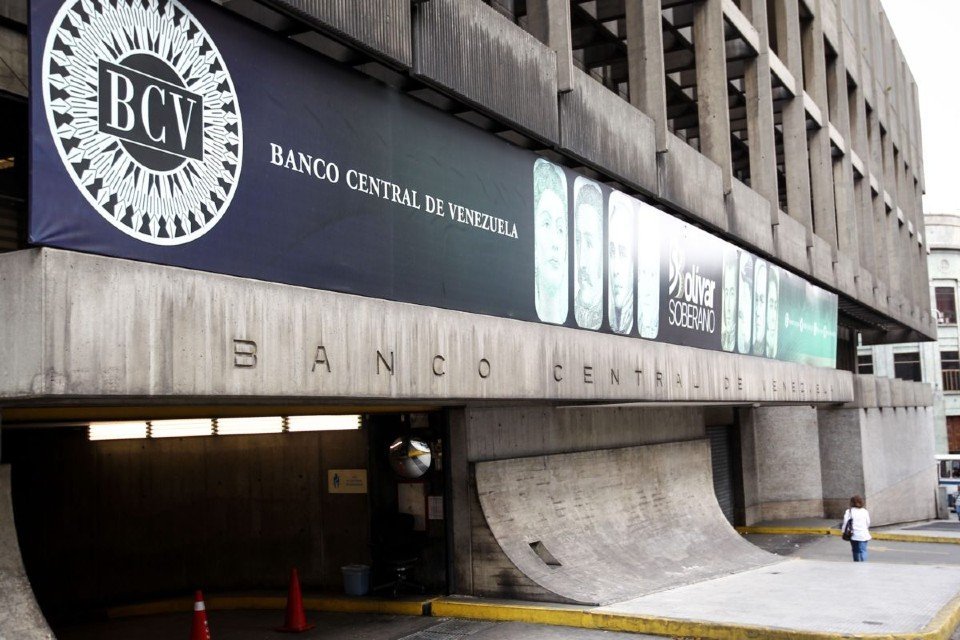
The United States Department of the Treasury issued this Tuesday, April 14, a general license that allows financial transactions with the Central Bank of Venezuela (BCV) and other national banking entities sanctioned since 2019, during Donald Trump’s first term.
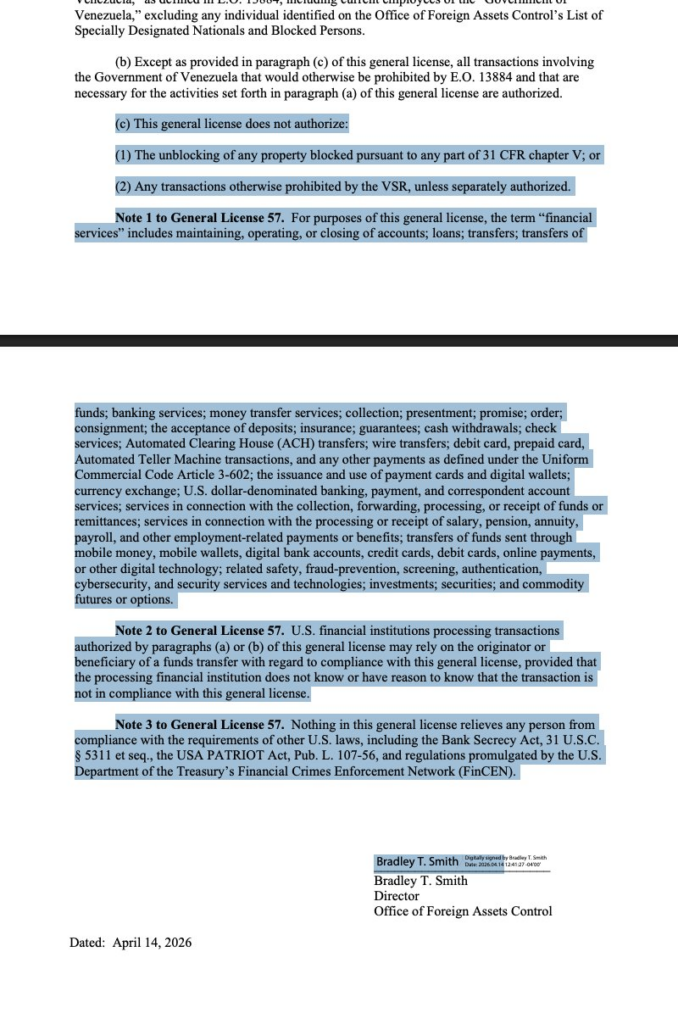
The license authorizes operations with the BCV and with Venezuelan financial institutions under sanctions, but explicitly excludes the release of blocked properties or assets. Nor does it enable transactions that current sanctions prohibit.
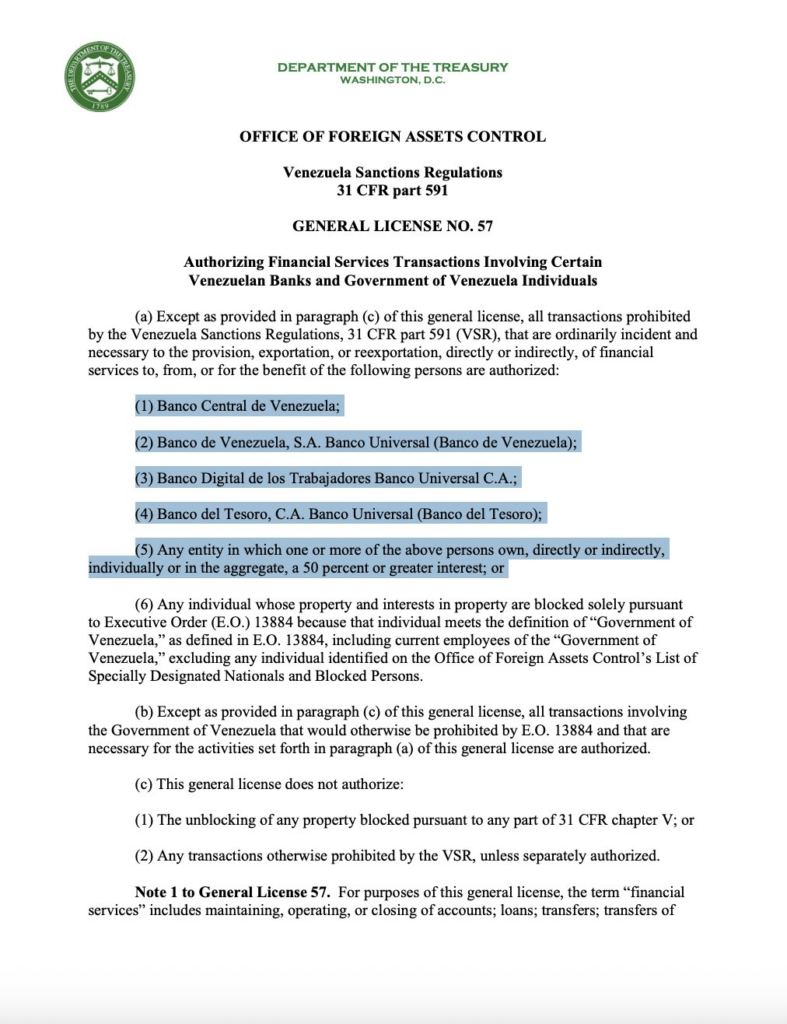
The “financial services” covered by the license cover a wide spectrum: opening and managing bank accounts, granting loans, money transfers, remittance services, issuance and use of credit and debit cards, digital payments, electronic transfers, currency exchange operations and payment of salaries.
The decision represents partial relief for the Venezuelan financial system, which has faced restrictions for seven years.
The economist Alejandro Grisanti anticipated this evolution on April 8 in a message on X; The director of Ecoanalítica stated that the elimination of sanctions on the BCV would constitute “the most important step to normalize the Venezuelan exchange system.”
Grisanti explained that the sanctions on the issuing entity practically affect the entire banking system, since they cause the loss of international correspondents and generate overcompliance on the part of foreign banks.
In his words, the measure would allow channels to be reestablished with international banking, reduce operational frictions and give greater depth to the exchange market by incorporating more entities. In addition, it would open the door to the recognition of Venezuela before multilateral organizations such as the International Monetary Fund, the IDB and the World Bank.
Grisanti insisted that normalization also requires a reform in the governance of the BCV: change of board, credibility, independence and technical capacity.
“Without a functional BCV there is no exchange system and without an exchange system there is no sustainable stabilization,” he concluded.
The license from the US Treasury marks concrete progress in the direction that Grisanti projected six days ago, although it keeps sanctions on blocked assets and other prohibitions intact.
Analysts now await operational details on how Venezuelan financial institutions will implement these new authorizations.