Social media accounts circulated posts claiming that “US Congress He approved a new package of powers that expands his influence Syrian Democratic Forces (SDF)” in Syria. However, these allegations are not true. #FactCheck
“An-Nahar” checked for you
The news spreads in this format (without intervention): “The US Congress expands powers SDF Expected security arrangements in Afrin. In a move that carries broad political and military implications, the US Congress approved a new powers package for the Syrian Democratic Forces that includes a direct mandate to support and train Syrian army units, within the framework of an American vision to enhance field stability.
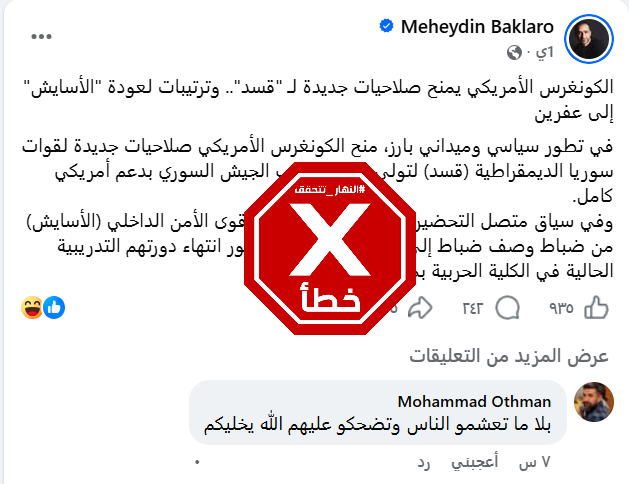
Wrong news spread (Facebook)
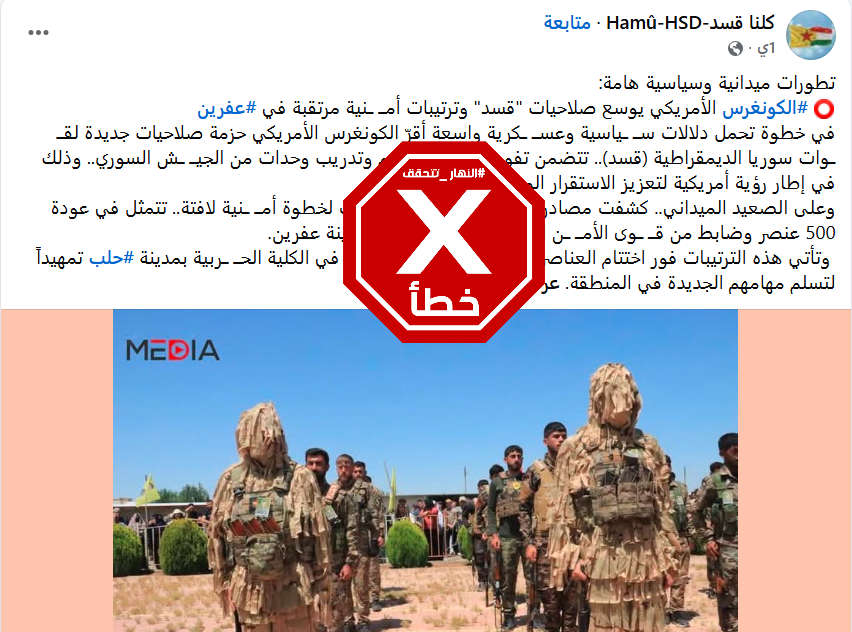
Wrong news spread (Facebook)
But this news is fabricated, and has no trace in official sources.
We have reviewed US Congress websiteandArmed Forces Committee website In the US House of Representatives, we conducted a search for the phrase “expanding the powers of the SDF,” or its equivalent in English. We did not find any information to support the validity of the claim.
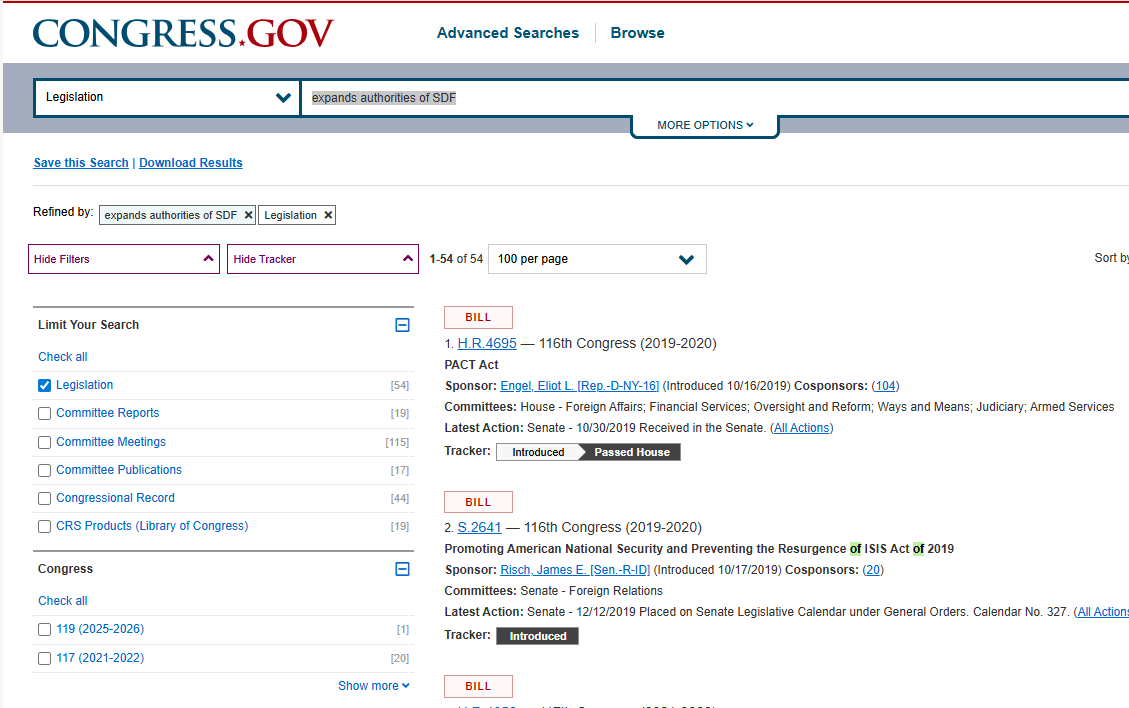
Search result on the US Congress website
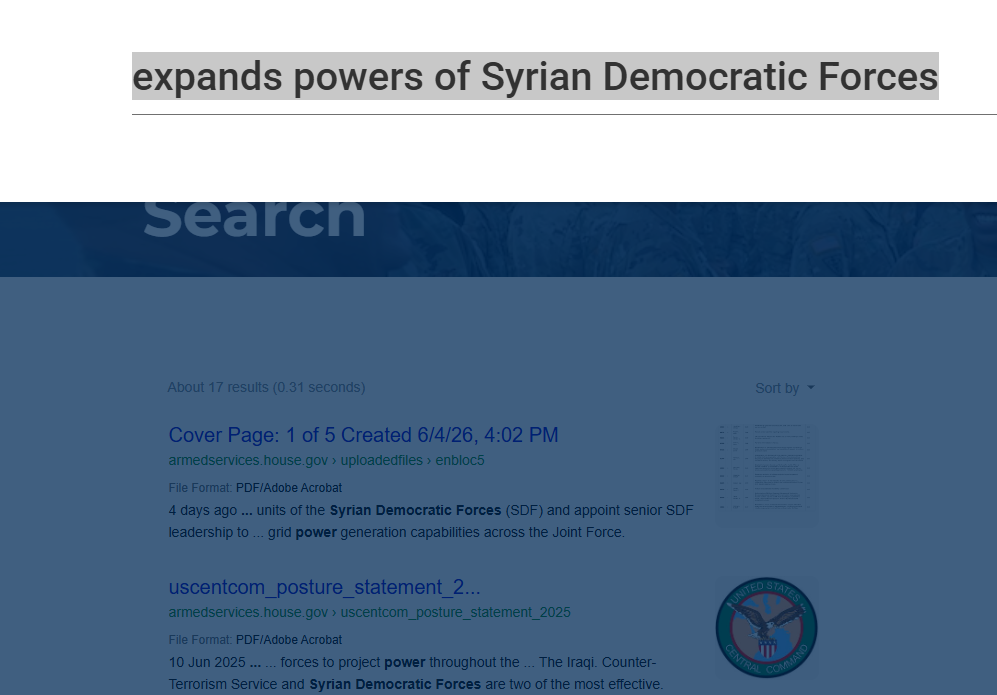
Search results on the website of the Armed Services Committee of the US House of Representatives
In addition, the search was shown, via the tool whopostedwhatthat Mazloum Kwani’s page On Facebook it is that First published the news Wrong on June 7, 2026. A review of its content shows that it constantly publishes content supportive of the Syrian Democratic Forces (SDF).
The transparency section provided by Facebook showed that three people from Syria manage the page, which was created in February 2025, and is followed by about 31,000 accounts.
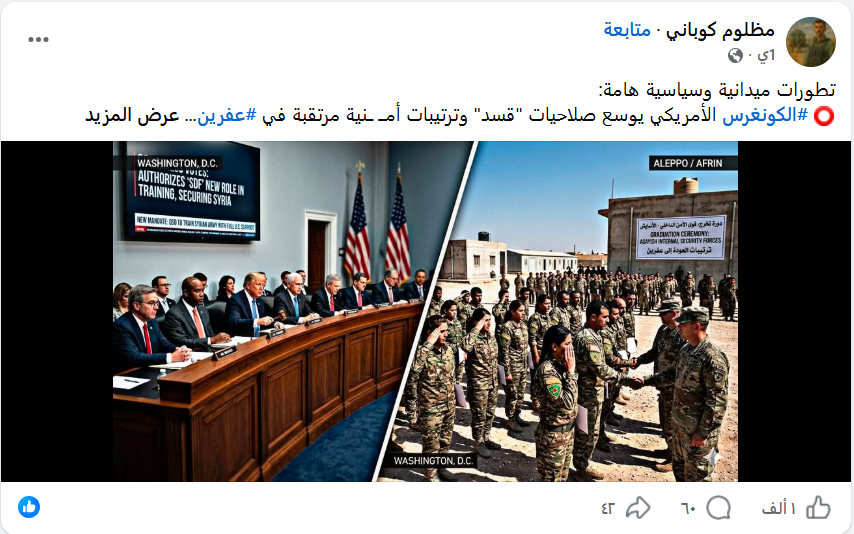
The news was published on Mazloum Kwani’s Facebook page on June 7, 2026
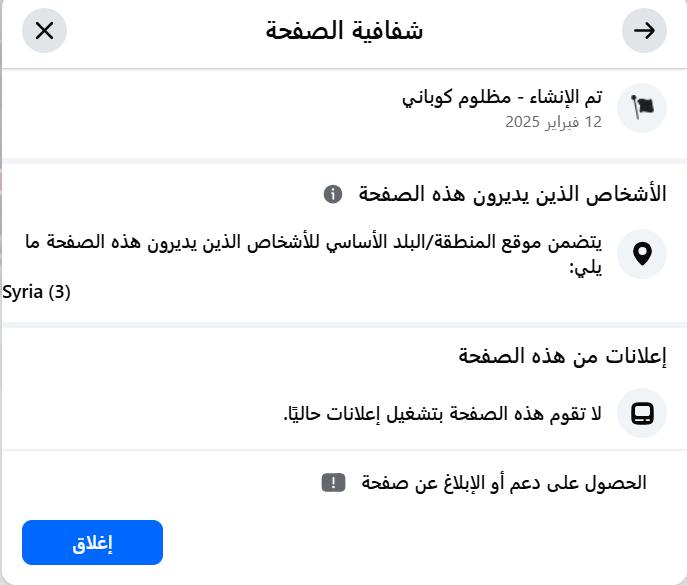
Information about the page
Congress supports the integration of SDF into the Syrian defense
In a move that may indicate continued American interest in the Syrian file, on June 4, 2026, the Armed Services Committee in the US House of Representatives issued an important amendment related to the future of the security forces in Syria.
And it was issued Official document Within the fifth amendment package (En Bloc #5) to HR 8800, the National Defense Authorization Act for Fiscal Year 2027.
Amendment No. 6095 (fifth version), submitted by Republican Representative Joe Wilson from South Carolina, is entitled “Professionalism of the Syrian Defense Forces.” According to the text of the official document published on the Armed Forces Committee website, the amendment supports the efforts of the Syrian Arab Republic to integrate brigade-sized units of the Syrian Democratic Forces (SDF) within the Ministry of Defense.
The document acknowledges the appointment of senior leaders from the SDF to positions of equivalent influence in the Syrian state. The amendment recognizes that this integration represents a model for the institutional integration of minorities, and supports American efforts to facilitate this process.
The amendment expresses the Committee’s concern about the fragile security situation in Syria, including incidents of civilian casualties during the winter offensive of 2025-2026, and the escape of thousands of members affiliated with ISIS from prisons and camps in northeastern Syria.
Therefore, the amendment directs the Under Secretary of Defense for Policy, in coordination with the Director of the Defense Security Cooperation Agency, to submit a comprehensive report to the Committee by January 31, 2027.
The requested report focuses on the feasibility of training and professionalization programs for Syrian security forces that are “screened and free of sectarianism and ethnicity.” It includes topics such as the law of war, human rights, and civilian control over the military, as well as an assessment of currently available authorities and compatibility with US national defense objectives.
This amendment is a directive, declarative language that is not legally binding, meaning that it does not grant new funding or impose immediate executive decisions, but rather reflects an approach by the committee to study options for supporting stability in Syria by building unified security institutions.
This amendment comes in the context of field developments taking place in Syria, especially the ongoing merger between the SDF and the central government.
A process of gradual integration and disagreements
The relationship between the Syrian Democratic Forces (SDF) and the Syrian government is witnessing rapid developments within the framework of a comprehensive agreement signed on January 30, 2026, which aims to achieve a ceasefire and gradually integrate the military, security, and civilian institutions within the state structures.
The military integration process began with the formation of a military division that includes three brigades from the SDF, in addition to a special brigade for the Ain al-Arab (Kobani) forces within a division affiliated with Aleppo.
Also, the process of integrating the Internal Security Forces (Asayish) into the Ministry of Interior has advanced. andSiyamand Afrin announcedDeputy Commander of the Asayish in Al-HasakahAbout 500 members are from Afrin The returnees will integrate into the Internal Security Forces, with interviews being conducted for 100 officers to officially join the Ministry of Interior.
The steps implemented so far include: handing over some border crossings and oil fields, and the entry of government security forces into the centers of Hasakah andQamishliAnd assigning SDF figures to administrative positions such as the governor of Al-Hasakah.
However, the file of the Women’s Protection Units (YPJ) is one of the most prominent points of contention The complexity of the integration processThe Kurdish side demands that YPJ fighters be integrated into the new brigades while preserving their organizational identity and independent female role, considering this a guarantee of the rights of women and the Kurdish component.
On the other hand, the Syrian government faces difficulties in accepting the integration of special women’s units, because the structure of the Syrian army does not include separate women’s brigades.
This led to sharp disagreements over the merger mechanism. andLeaders expressed YPJ expressed concerns that the privacy of women’s units was being ignored, and demanded that their independence be preserved within the new structure.
In some statements, YPJ emphasized the continuation of its combat roleDo not give up the weapon Without clear guarantees.
Observers describe the process as gradual and slow, with security, judicial, and cultural challenges, especially with regard to the gender approach in the agreement.