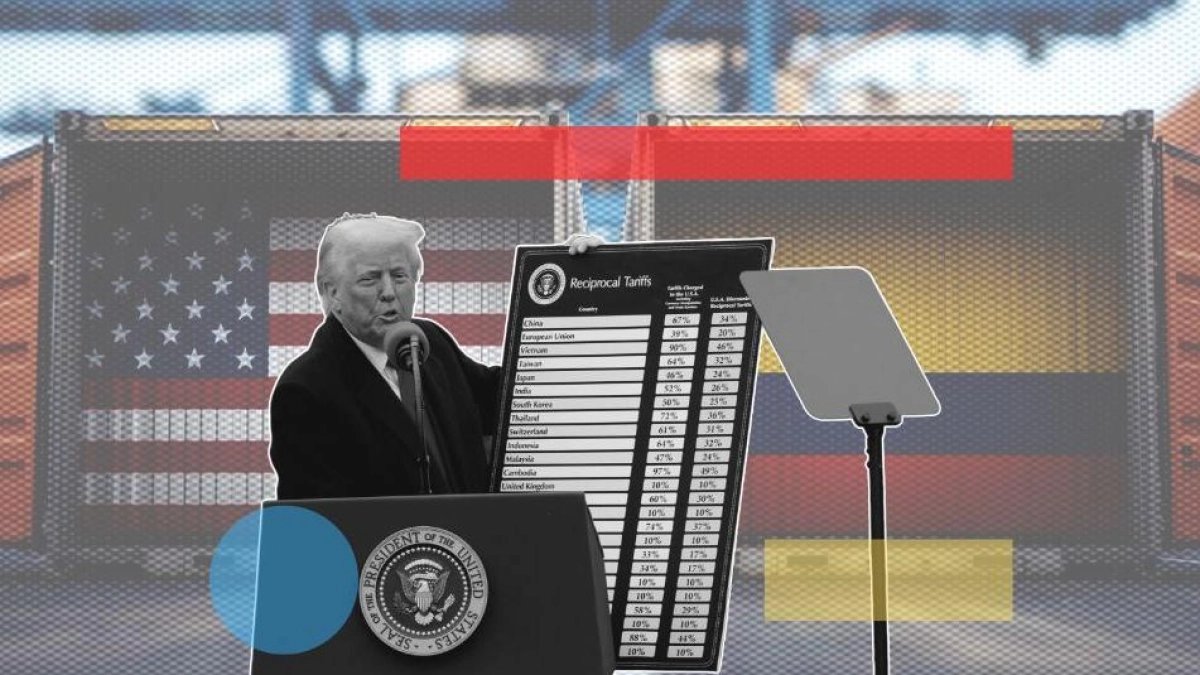
The president’s administration donald trump confirmed this Thursday a new package of tariffs on imports from dozens of countries, including Colombia, in a decision that imposes a tax of 12.5 percent to products originating in the country that enter the US market. The measure, adopted under Section 301 of the Trade Act of 1974, will go into effect at 12:01 am this Friday, July 24.
READ ALSO
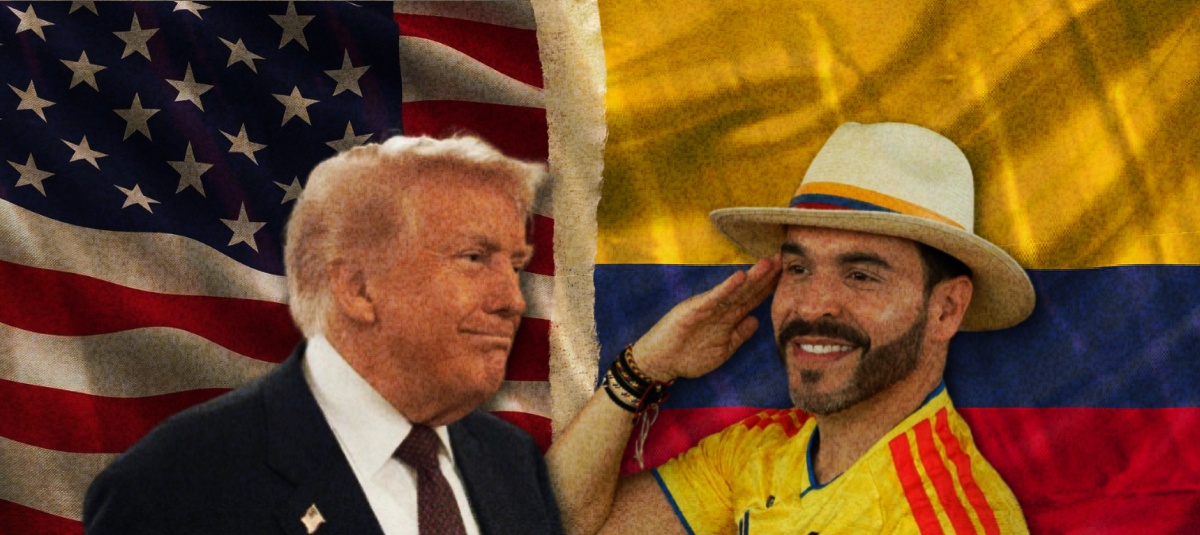
“President Trump recognizes that decades of moral suasion have not eradicated forced labor from global supply chains. The United States has maintained a ban on the importation of products made with forced labor for almost a century and enforces it rigorously; It is time for our trading partners to do the same,” Greer said.
What exactly did the United States announce?
Since the beginning of this year, the White House had imposed a general 10 percent tariff (covered by Section 122 of the Trade Act) on most imports entering the country to replace levies (imposed under the International Emergency Economic Powers Act) that were overturned by the US Supreme Court. However, that measure was valid for 150 days and expired this Friday.
To prevent the tariff from disappearing, the Trump administration decided to move it to another mechanism of US trade law: Section 301 of the Trade Act of 1974, a tool that allows levies to be imposed when Washington believes that the policies or practices of other countries harm American trade.
Jamieson Greer, United States Trade Representative. Photo:EFE
The decision was supported by an investigation conducted by the Office of the United States Trade Representative (USTR) beginning in March, which identified 54 economies, including Colombia, for failing to effectively impose or enforce a ban on the importation of goods produced, in whole or in part, through forced labor.
After several months of public consultations and hearings, the entity determined that these countries were not doing enough to stop this type of trade and recommended maintaining additional tariffs on their exports.
Now, that doesn’t mean the United States is accusing Colombia of producing goods through forced labor. From Washington’s point of view, The country does not have strict enough controls to prevent goods manufactured under these conditions from entering or circulating through its market, which, according to the Trump administration, creates unfair competition for American companies.
READ ALSO

Based on this diagnosis, the USTR designed a differentiated tariff scheme according to the level of controls that each country has regarding this problem.
In its preliminary proposal published in June, the entity proposed a 10 percent tariff for economies that already prohibit the import of goods produced with forced labor, that assumed that commitment through reciprocal agreements with the United States or that have partial regimes considered effective.
On the other hand, those who do not even have those types of restrictions would face a 12.5 percent tax.
Finally, the US administration decided to include Colombia in this second group, so Colombian exports will be subject to a 12.5 percent tariff under the legal umbrella of Section 301 and not the temporary mechanism that expired this week.
Among the sectors that could continue to feel the effect of this tariff are flowers. Photo: Sergio Gómez Maseri. the time
What changes for Colombian exporters?
In the short term, the impact will be immediate for Colombian exporters and greater than initially expected. Colombian exporters will go from facing a tariff of 10 percent to one of 12.5 percent to sell a good part of their products in the United States.
What also changes is that now the tax will have a new legal basis, which reduces the possibilities that it will be withdrawn in the short term and maintains uncertainty for the sectors that depend on the US market.
READ ALSO
And the fundamental difference is that the fees imposed under Section 301 do not have an expiration date. The legislation requires a mandatory review every four years and, If a benefited U.S. company or industry requests that they continue, the Office of the U.S. Trade Representative can extend them.
In fact, the tariffs imposed on China under Section 301 in 2018 remain in force after passing that review process.
What products were exempt?
Although the decision imposes a general tariff of 12.5 percent for 54 economies, the USTR also approved a list of exceptions for products that it considers strategic for the US economy, as well as for goods that are insufficiently produced in the US or for which an additional tariff would not help combat trade linked to forced labor.
Among the exempt products are several of interest to Colombia, such as beef, coffee – including instant unflavored -, bananas, pineapples, avocados, mangoes, sugar, cocoa and seeds for planting.
Also left out were minerals, coal, oil, natural gas, fertilizers, some chemicals, equipment for the manufacture of semiconductors and civil aircraft with their parts.
CAMILO A. CASTILLO – International Subeditor – X: (@camiloandres894)