
The United States Embassy in Uruguay announced on Monday the donation of Intelligence, Surveillance, and Reconnaissance (ISR) sensors intended to equip Navy aircraft and improve the monitoring and control of the national territory from the air.



With an estimated value of 5 million dollars, the arrival of the units is part of the “strong chain of cooperation” on defense and security issues between both nations, as highlighted by the diplomatic mission on social networks. “Regional security is a priority that the United States and Uruguay share”he insisted.
The measure comes a month after the chancellor Mario Lubetkin signed a note addressed to Washington to express the interest of the Uruguayan State in receiving a Reliance class patrol boat, as the embassy of that country had offered as a donation in January. The government of Yamandu Orsi confirmed in this way its “approval” to incorporate this ship of the Coast Guard to the fleet of the National Navyas confirmed by sources from the Executive Branch to The Observer.
More news
What are ISRs, the sensors that the United States will donate to Uruguay?
Developed by the corporation Lockheed Martinamong others, the sensors Intelligence, Surveillance, and Reconnaissance that USA will donate to Uruguayare capable of adapting to a wide range of aerial platforms, from large business jets to smaller turboprop aircraft.
According to the company’s website, they can be housed in trailer-type containers or configured on pallets that are easily loaded and unloaded from aircraft.
This technology will allow information to be collected and processed in real time, strengthening key tasks such as border surveillance, control of maritime space and detection of illicit activities.
image
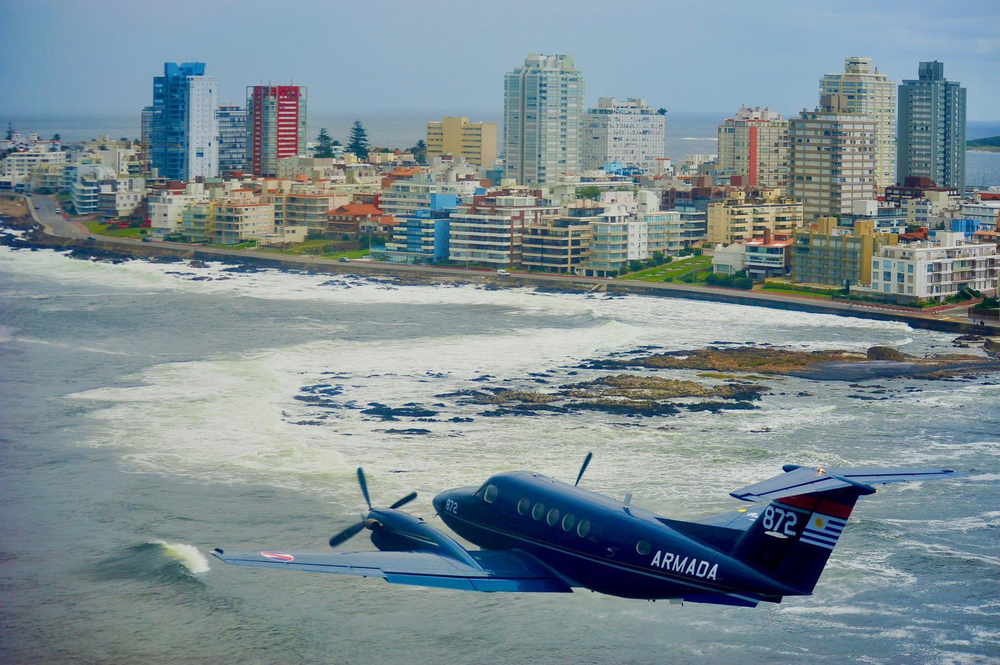
From the website of the NATOemphasize that ISRs are “vital for all joint military operations.” “They provide decision makers and those carrying out operations with better situational awareness on land, air, sea, space and cyberspace.” Through them, allies collaborate to collect, analyze and share information with maximum effectiveness, making them a “paradigmatic example of cooperation and sharing of responsibilities throughout the Alliance.”
With the incorporation of these systems, Uruguay will take an important step in modernizing its operational capabilities, expanding its air surveillance coverage and improving decision-making in complex scenarios.