The future of the Páramo de Santurbán changed course again in a matter of 48 hours. The De La Espriella government revoked two decisions adopted during Gustavo Petro’s government: first, it annulled the resolution that had extended the validity of the temporary Renewable Natural Resources Reserve Zone until 2029 and, subsequently, it revoked the partial delimitation of the moor issued in August.
The two decisions do not mean that Santurbán has been left without environmental protection or that the reserve area automatically disappears. What they do is return the process to previous administrative scenarios and force the Government to resume a discussion that has not been concluded for years: how to definitively delimit the moor and how to establish the rules to protect the ecosystem while addressing the conditions and economic activities of the communities of Soto Norte.
That is to say, what the De La Espriella Government did is to restart the delimitation processes of the Santurbán moor, to establish, as the Constitutional Court has requested and as has been attempted for years and by various Governments, that this ecosystem be delimited in terms of extension and activities that can be carried out there.
READ ALSO
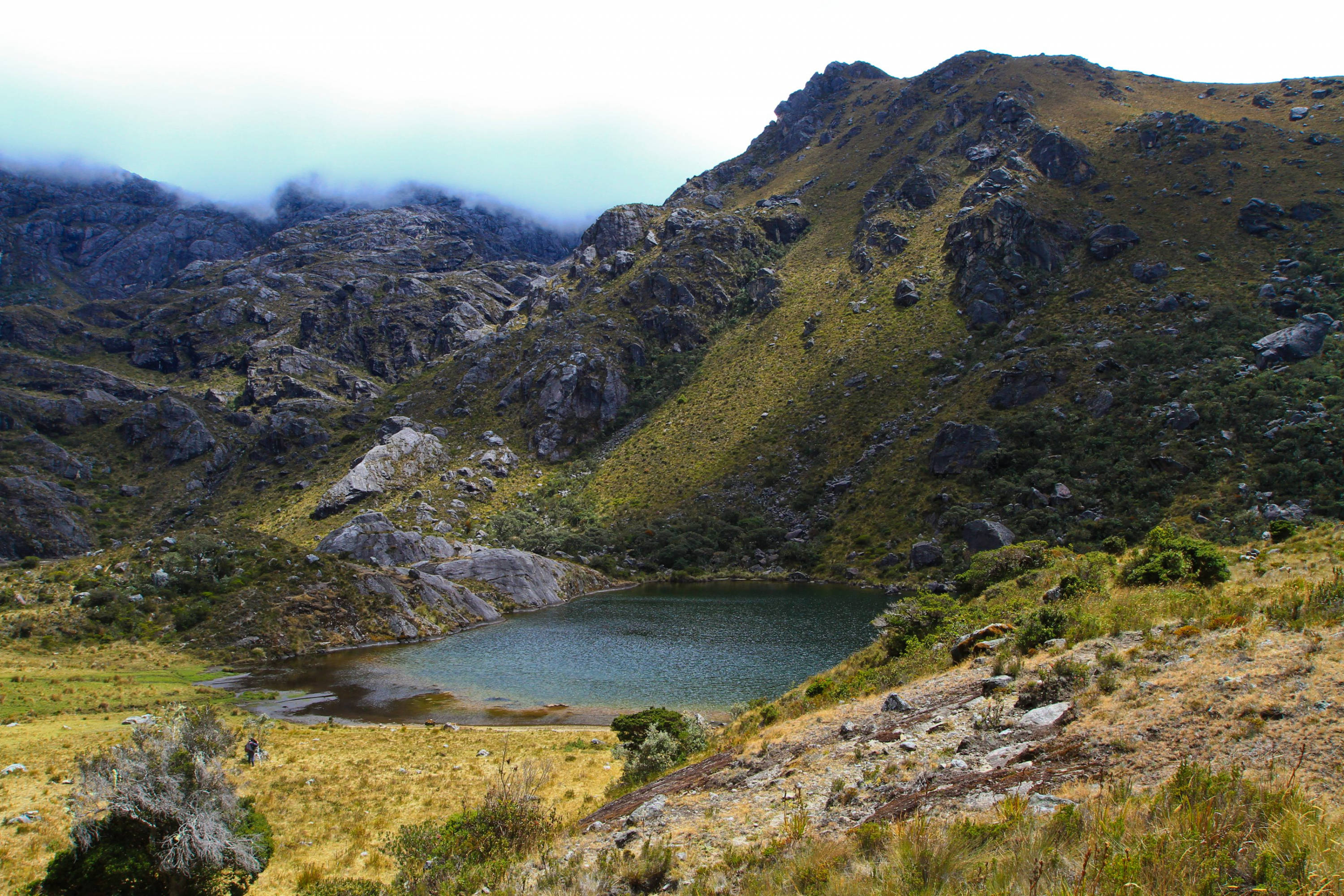
Communities and environmentalists have opposite readings about what the decisions mean. Photo:David Rocha
What are the two resolutions?
The first decision was contained in Resolution 1277 of September 28, 2026. With it, the Ministry of Environment revoked in its entirety Resolution 0970 of August 4, which had updated the geographical area and cartography of the temporary reserve, modified its schedule and extended its validity until 2029.
When this extension became void, the rules established in Resolution 0221 of March 2025, later corrected by Resolution 0239, were once again applied.
This Wednesday, September 30, the Ministry took another turn. Through Resolution 1278, it directly revoked Resolution 0992 of August 6, which had adopted a partial delimitation of the Páramos Jurisdictions–Santurbán–Berlín Complex.
Resolution that revokes the extension of the temporary reserve. Photo:Myenvironment
EL TIEMPO learned of this resolution for the first time. The decision came after the Ministry identified irregularities related to citizen participation, the assessment of observations, the changes introduced to the project that was submitted for comments and compliance with Ruling T-361 of 2017 of the Constitutional Court.
One of the main questions is related to the so-called “progressive delimitation”. According to the Ministry’s review, this methodology allowed decisions to be made about parts of the territory while consultations with the communities were still pending in at least 14 municipalities. The portfolio concluded that Ruling T-361 required a broad, participatory, effective and deliberative process in the 40 municipalities involved.
READ ALSO
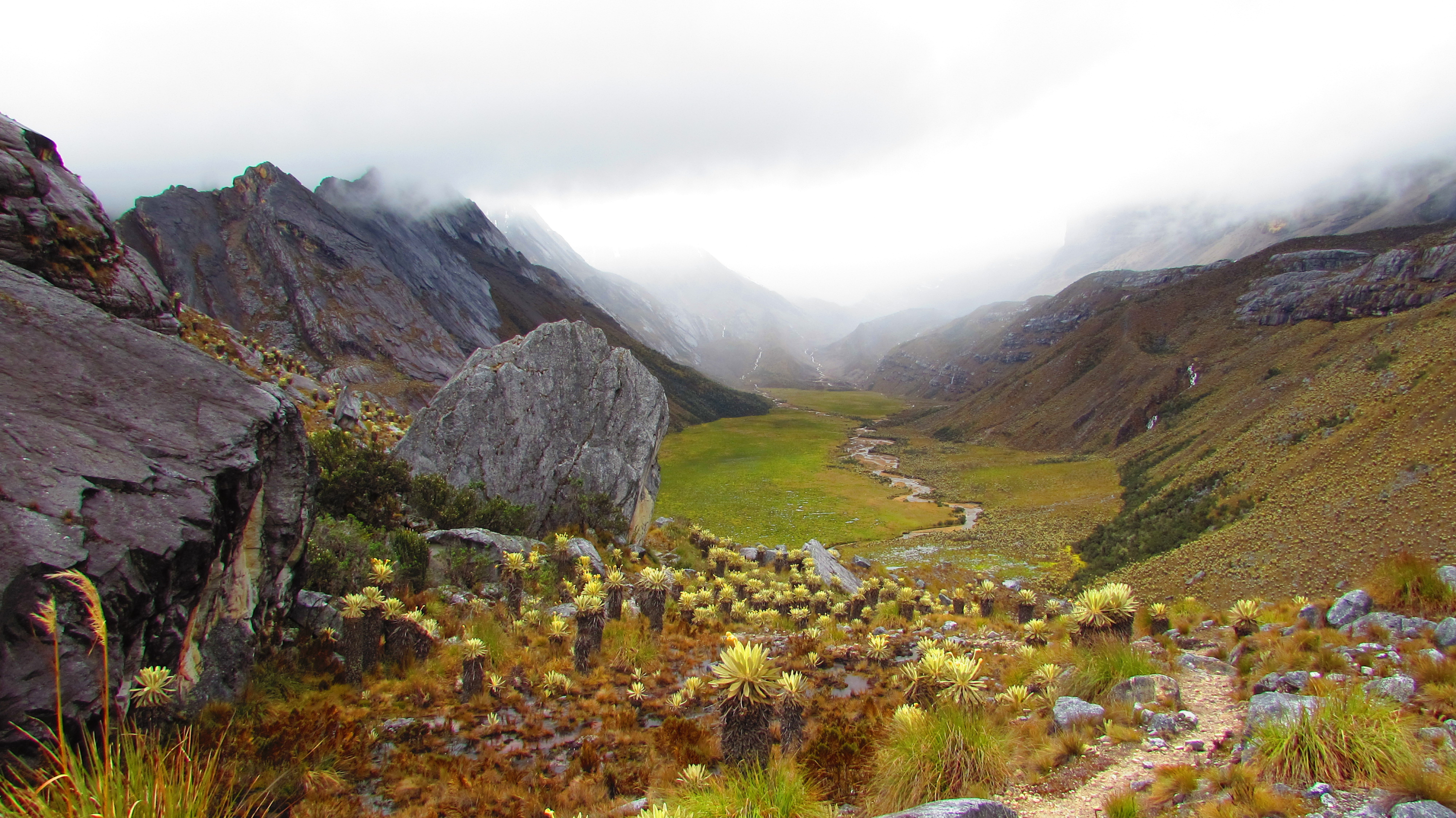
Expert warns that the Resolution 1277 could be sued
In simple terms, the two decisions dismantle two recent measures that had changed the protection conditions in certain sectors of Santurbán.
But the legal scope of the first decision is the subject of discussion. Juan Pablo Sarmiento, professor at the Faculty of Political and International Legal Studies at the University of La Sabana, questions the cause used by the Ministry to revoke the resolution that extended the reservation.
According to its analysis, the Ministry based the direct revocation on paragraph 1 of article 93 of Law 1437 of 2011, considering that Resolution 0970 had been issued while a challenge was pending and that this constituted a manifest opposition to the law.
Sarmiento points out that, although article 12 of the Code of Administrative Procedure and Administrative Litigation establishes the suspension of administrative action from the presentation of a challenge, the jurisprudence of the Council of State has understood that to speak of a “manifest opposition” the violation must be flagrant, evident and direct.
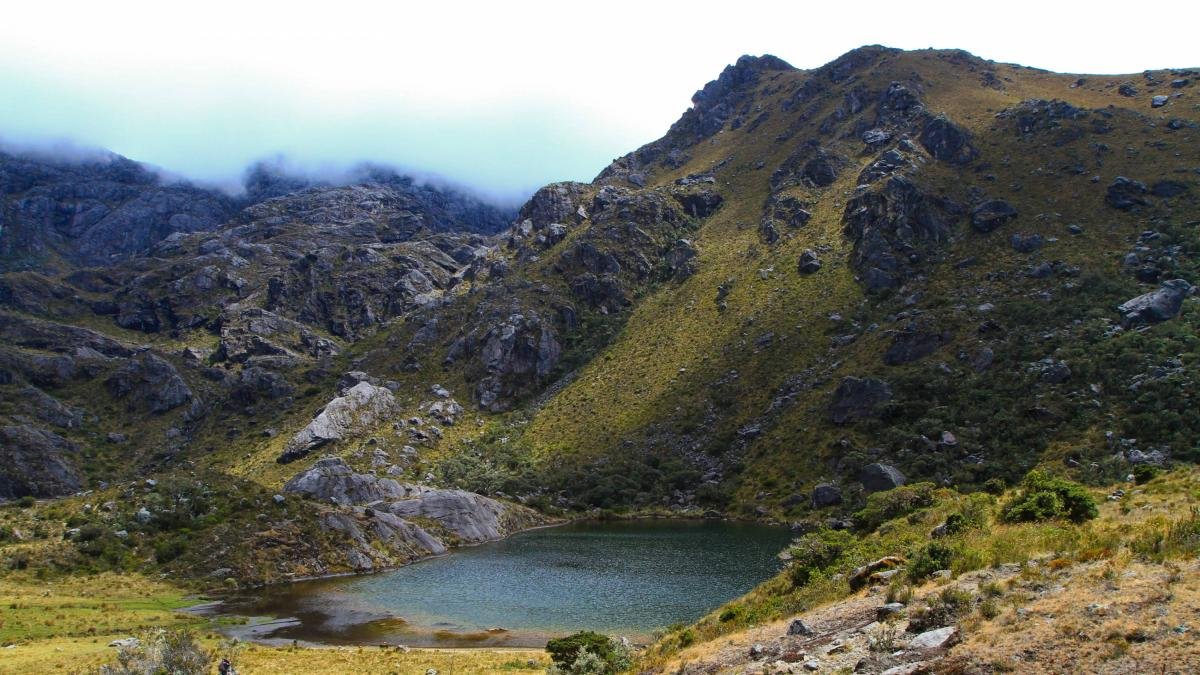
Santurbán Páramo. Photo:Ministry of Environment
For the professor, issuing an act during the processing of a challenge could constitute a procedural defect, but it would not necessarily fit into that cause of manifest opposition. For this reason, he considers that Resolution 1277 could end up being judicially questioned.
Sarmiento’s analysis also introduces another discussion: that of the principle of environmental non-regressivity. As explained, by returning to the terms of Resolution 0221 of 2025, the Ministry’s decision could reduce both the protected geographical area and the protection time compared to what was established in the subsequently revoked resolution.
From this perspective, the professor warns that Litigation could be filed against Resolution 1277including nullity actions due to possible motivation or procedural problems, as well as popular actions related to the protection of a healthy environment.
This means that the Government’s decision does not necessarily close the legal chapter of Santurbán. On the contrary, it may open a new stage of controversy over the legality of administrative decisions and the level of protection that must be maintained during the process.
READ ALSO
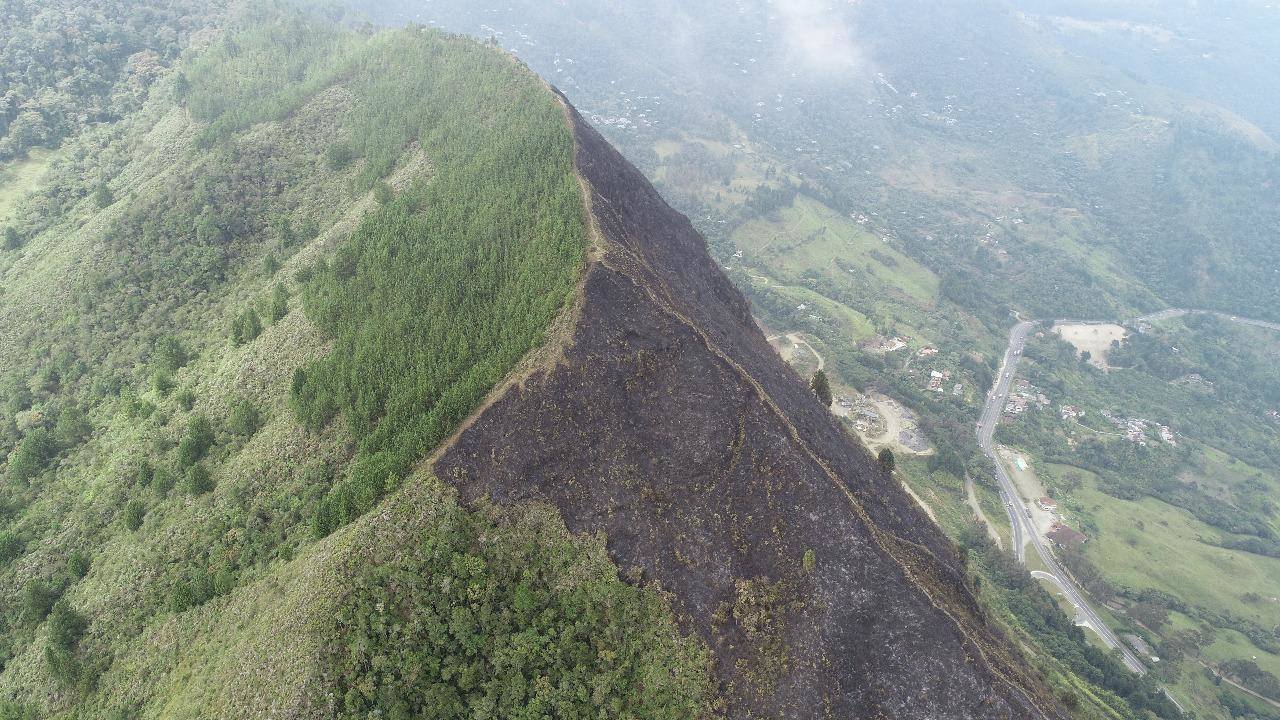
For communities, the central point is legal security
Reading from Vetas is different. Mayor Angélica María García celebrates that the extension has been revoked and suggests that the Government must now comply with the July 2 order of the Administrative Court of Santander, which orders a meeting to be held in the municipality to define the consultation process and continue with the delimitation. “What we celebrate in the communities is that these types of administrative acts must be issued with the participation of the territory,” said García.
For the mayor, the objective should be to combine the conservation of the ecosystem with the participation of the communities and prevent decisions that affect the territory from being adopted without a sufficient consultation process.
Demonstration of artisanal miners from Vetas, in the Santurbán massif. Photo:Asomineros
In the case of Vetas, furthermore, the discussion has an economic dimension. García explained that the municipality has four mining titles that develop small legal mining and 11 suspended titles, in areas where informal mining is carried out. According to the mayor, none of these activities are within the area of the moor or the Santurbán Regional Natural Park.
For this reason, he maintains that a definitive delimitation would provide legal security to mining owners and advance formalization processes for those who carry out informal activities.
The mayor also suggests that an eventual transition from mining to other economic activities cannot be done immediately. As he explained, the mining vocation of Vetas is more than 470 years old and the geographical and climatic conditions of the territory make it difficult to directly replace it with agricultural activities.
Their proposal is to move towards a coexistence of different economic activities in the region, with a sufficient transition so that communities can benefit from it.
READ ALSO
The concern of environmentalists
The Santurbán Committee has an opposite reading on the revocation of the extension. For this organization, the decision means withdrawing one of the measures that helped protect the moor.
The Committee has warned about the mining activities that could be developed in the area and noted that next year Aris Mining will present its application for an environmental license. He also established November 13 as the deadline for the natural reserve intended to protect Santurbán to be brought to public consultation and announced an eventual mobilization in Bogotá if this does not happen.
Water defenders in the Santurbán moor Photo:Supplied to EL TIEMPO
Thus, while the mining communities consider that the priority is to finish the delimitation and guarantee legal security, environmental organizations demand that protection measures not be reduced while this process concludes.
#Attention. Abelardo’s government has just overturned another of the measures that protected Santurbán. In less than 2 months of his mandate, he has overturned 3 resolutions that protected the water of 2.5 million Colombians. And he has not taken a single measure in favor of Santurbán.
Yesterday… pic.twitter.com/SWjZF888fF
— Santurban Committee (@ComiteSanturban) September 29, 2026
What’s left now?
In practice, the two decisions leave the Government faced with the need to resume a process that is not yet finished. On the one hand, the revocation of Resolution 0970 returns the temporary reserve to the conditions that were in force before its issuance.
On the other hand, the revocation of Resolution 0992 eliminates the partial delimitation adopted in August and forces the delimitation process to continue under the applicable constitutional, legal and jurisprudential rules.
The Ministry has emphasized that revoking the partial delimitation does not mean lifting the environmental protection of the Páramos Jurisdictions–Santurbán–Berlín Complex. The process must continue to guarantee the effective participation of communities and the comprehensive protection of the ecosystem.
For the communities of Soto Norte, the challenge is that this new process finally produces a delimitation that allows them to know the rules that will govern their territories and their economic activities. For environmental organizations, the challenge is that while this decision is reached there is no reduction in the guarantees of ecosystem protection.
READ ALSO

In other words, the decisions adopted in these two days do not resolve the dispute over Santurbán. They return it to a new stage in which the limits of the moor, environmental protection measures and the rules that will give legal security to the communities that live and develop economic activities in Soto Norte must be simultaneously defined.
EDWIN CAICEDO
Environment and Health Journalist
@CaicedoUcros