Wednesday, May 6, 2026
    The GeoStrategic Consensus
    No Result
    View All Result
    • Login
    • HOME
    • AMERICAS
      • Argentina
      • Brazil
      • Canada
      • Chile
      • Colombia
      • Costa Rica
      • Cuba
      • Dominican Republic
      • Ecuador
      • El Salvador
      • Greenland
      • Guatemala
      • Honduras
      • Mexico
      • Nicaragua
      • Panama
      • Paraguay
      • Peru
      • United States
      • Uruguay
      • Venezuela
    • ASIA-PACIFIC
      • Australia
      • Brunei Darussalam
      • Cambodia
      • China
      • Federated States of Micronesia
      • Fiji
      • Indonesia
      • Japan
      • Kiribati
      • Laos
      • Malaysia
      • Marshall Islands
      • Mongolia
      • Myanmar
      • Nauru
      • New Zealand
      • North Korea
      • Palau
      • Papua New Guinea
      • Philippines
      • Samoa
      • Singapore
      • Solomon Islands
      • South Korea
      • Taiwan
      • Thailand
      • Timor-Leste
      • Tonga
      • Tuvalu
      • Vanuatu
      • Vietnam
    • CARICOM
      • CARICOM – Non-English
        • Haiti
        • Suriname
      • CARICOM Associates
        • Anguilla
        • Bermuda
        • British-Virgin-Islands
        • Cayman-Islands
        • Curacao
        • Turks-and-Caicos
      • CARICOM English
        • Antigua and Barbuda
        • Barbados
        • Belize
        • Dominica
        • Grenada
        • Guyana
        • Jamaica
        • Montserrat
        • Saint Kitts and Nevis
        • Saint Lucia
        • Saint Vincent and the Grenadines
        • The Bahamas
        • Trinidad and Tobago
    • EURASIA
      • Armenia
      • Azerbaijan
      • Balarus
      • Georgia
      • Kazakhstan
      • Kyrgyzstan
      • Moldova
      • Russia
      • Tajikistan
      • Turkmenistan
      • Ukraine
      • Uzbekistan
    • EUROPE
      • Albania
      • Andorra
      • Austria
      • Bosnia and Herzegovina
      • Bulgaria
      • Croatia
      • Cyprus
      • Czech Republic
      • Denmark
      • Estonia
      • Finland
      • France
      • Germany
      • Greece
      • Holy See
      • Hungary
      • Iceland
      • Ireland
      • Italy
      • Kosovo
      • Latvia
      • Liechtenstein
      • Lithuania
      • Luxembourg
      • Malta
      • Monaco
      • Montenegro
      • Netherlands
      • North Macedonia
      • Norway
      • Poland
      • Portugal
      • Romania
      • San Marino
      • Serbia
      • Slovakia
      • Slovenia
      • Spain
      • Sweden
      • Switzerland
      • United Kingdom
    • MIDDLE EAST AND NORTH AFRICA
      • Algeria
      • Bahrain
      • Egypt
      • Iran
      • Iraq
      • Israel
      • Jordan
      • Kuwait
      • Lebanon
      • Lybia
      • Morocco
      • Oman
      • Palestinian Territories
      • Qatar
      • Saudi Arabia
      • Syria
      • Tunisia
      • Turkey
      • United Arab Emirates
      • Western Sahara
      • Yemen
    • SOUTH ASIA
      • Afghanistan
      • Bangladesh
      • Bhutan
      • India
      • Maldives
      • Nepal
      • Pakistan
      • Sri Lanka
    • SUB-SAHARAN AFRICA
      • Angola
      • Benin
      • Botswana
      • Burkina Faso
      • Burundi
      • Cabo Verde
      • Cameroon
      • Central African Republic
      • Chad
      • Comoros
      • Cote d’Ivoire
      • Democratic Republic of the Congo
      • Djibouti
      • Equatorial Guinea
      • Eritrea
      • Eswatini
      • Ethiopia
      • Gabon
      • Gambia
      • Ghana
      • Guinea
      • Guinea Bissau
      • Kenya
      • Lesotho
      • Liberia
      • Madagascar
      • Malawi
      • Mali
      • Mauritania
      • Mauritius
      • Mozambique
      • Namibia
      • Niger
      • Nigeria
      • Republic of the Congo
      • Rwanda
      • Sao Tome and Principe
      • Senegal
      • Seychelles
      • Sierra Leone
      • Somalia
      • South Africa
      • South Sudan
      • Sudan
      • Tanzania
      • Togo
      • Uganda
      • Zambia
      • Zimbabwe
    • HOME
    • AMERICAS
      • Argentina
      • Brazil
      • Canada
      • Chile
      • Colombia
      • Costa Rica
      • Cuba
      • Dominican Republic
      • Ecuador
      • El Salvador
      • Greenland
      • Guatemala
      • Honduras
      • Mexico
      • Nicaragua
      • Panama
      • Paraguay
      • Peru
      • United States
      • Uruguay
      • Venezuela
    • ASIA-PACIFIC
      • Australia
      • Brunei Darussalam
      • Cambodia
      • China
      • Federated States of Micronesia
      • Fiji
      • Indonesia
      • Japan
      • Kiribati
      • Laos
      • Malaysia
      • Marshall Islands
      • Mongolia
      • Myanmar
      • Nauru
      • New Zealand
      • North Korea
      • Palau
      • Papua New Guinea
      • Philippines
      • Samoa
      • Singapore
      • Solomon Islands
      • South Korea
      • Taiwan
      • Thailand
      • Timor-Leste
      • Tonga
      • Tuvalu
      • Vanuatu
      • Vietnam
    • CARICOM
      • CARICOM – Non-English
        • Haiti
        • Suriname
      • CARICOM Associates
        • Anguilla
        • Bermuda
        • British-Virgin-Islands
        • Cayman-Islands
        • Curacao
        • Turks-and-Caicos
      • CARICOM English
        • Antigua and Barbuda
        • Barbados
        • Belize
        • Dominica
        • Grenada
        • Guyana
        • Jamaica
        • Montserrat
        • Saint Kitts and Nevis
        • Saint Lucia
        • Saint Vincent and the Grenadines
        • The Bahamas
        • Trinidad and Tobago
    • EURASIA
      • Armenia
      • Azerbaijan
      • Balarus
      • Georgia
      • Kazakhstan
      • Kyrgyzstan
      • Moldova
      • Russia
      • Tajikistan
      • Turkmenistan
      • Ukraine
      • Uzbekistan
    • EUROPE
      • Albania
      • Andorra
      • Austria
      • Bosnia and Herzegovina
      • Bulgaria
      • Croatia
      • Cyprus
      • Czech Republic
      • Denmark
      • Estonia
      • Finland
      • France
      • Germany
      • Greece
      • Holy See
      • Hungary
      • Iceland
      • Ireland
      • Italy
      • Kosovo
      • Latvia
      • Liechtenstein
      • Lithuania
      • Luxembourg
      • Malta
      • Monaco
      • Montenegro
      • Netherlands
      • North Macedonia
      • Norway
      • Poland
      • Portugal
      • Romania
      • San Marino
      • Serbia
      • Slovakia
      • Slovenia
      • Spain
      • Sweden
      • Switzerland
      • United Kingdom
    • MIDDLE EAST AND NORTH AFRICA
      • Algeria
      • Bahrain
      • Egypt
      • Iran
      • Iraq
      • Israel
      • Jordan
      • Kuwait
      • Lebanon
      • Lybia
      • Morocco
      • Oman
      • Palestinian Territories
      • Qatar
      • Saudi Arabia
      • Syria
      • Tunisia
      • Turkey
      • United Arab Emirates
      • Western Sahara
      • Yemen
    • SOUTH ASIA
      • Afghanistan
      • Bangladesh
      • Bhutan
      • India
      • Maldives
      • Nepal
      • Pakistan
      • Sri Lanka
    • SUB-SAHARAN AFRICA
      • Angola
      • Benin
      • Botswana
      • Burkina Faso
      • Burundi
      • Cabo Verde
      • Cameroon
      • Central African Republic
      • Chad
      • Comoros
      • Cote d’Ivoire
      • Democratic Republic of the Congo
      • Djibouti
      • Equatorial Guinea
      • Eritrea
      • Eswatini
      • Ethiopia
      • Gabon
      • Gambia
      • Ghana
      • Guinea
      • Guinea Bissau
      • Kenya
      • Lesotho
      • Liberia
      • Madagascar
      • Malawi
      • Mali
      • Mauritania
      • Mauritius
      • Mozambique
      • Namibia
      • Niger
      • Nigeria
      • Republic of the Congo
      • Rwanda
      • Sao Tome and Principe
      • Senegal
      • Seychelles
      • Sierra Leone
      • Somalia
      • South Africa
      • South Sudan
      • Sudan
      • Tanzania
      • Togo
      • Uganda
      • Zambia
      • Zimbabwe
    No Result
    View All Result
    Agentially
    No Result
    View All Result
    Home EUROPE Slovenia

    The partisans stunned the West and Himmler

    The Analyst by The Analyst
    May 6, 2026
    in Slovenia
    The partisans stunned the West and Himmler


    It was over ten years ago. A group of partisan veterans set out for the first time to mark the anniversary of the Allied landings in Normandy. She was few in number. About a dozen of them left. In 2014, there were unfortunately very few of their comrades among us who could join them. But they were there. And it was a special tribute to the Slovenian and Yugoslav resistance movement, which marked our and European history so much. A special moment. You could feel it in the air.

    READ ALSO

    When the battery is almost fully charged in six and a half minutes

    Drove in the opposite direction under the influence of alcohol and drugs

    For a journalist, talking to all those veterans from different countries was also a special experience. Some knew more about the national liberation struggle, others less. But they knew we were on the right side of history.

    Inscription OF in Trnov in Ljubljana on May 15, 1942 / Photo: Unknown Author/Museum of Modern and Contemporary History of Slovenia

    HOLIDAY

    How organized resistance radically changed the view of the superpowers towards Slovenians


    But how did the Western Allies see the partisan struggle in the first place? How was he reported and what image was formed of him in Western historiography?

    Fast forward to the fall of 1943. In mountain gorges and dark forests across the country, a war raged that was for a long time more secret than not to the Allies in London and Washington. There was a lot of misinformation and confusion. While Allied leaders plotted the downfall of Nazi Germany and Fascist Italy, the Yugoslav battlefield presented a conundrum. Who is really fighting Hitler in this impassable terrain? And more importantly, who is winning in this brutal war?

    In December 1943, the legendary war correspondent CL Sulzberger for The New York Times broke the media silence and presented the truth to the American public: “Partisan forces in Yugoslavia have grown from a band of persecuted guerrillas into a terrifying army that bleeds the German Wehrmacht.”

    Yugoslavia was the only country in occupied Europe that liberated itself largely on its own, with its own forces and allied air support. This military confidence and independence enabled Tito to say no to Stalin after the war, as the world plunged into the Cold War, and in 1948 pull Yugoslavia out of the grip of the Soviet Iron Curtain.

    Today, speaking from a distance and the archives open, the picture is much clearer. The resistance movement in Yugoslavia, with special emphasis on the unique, highly organized Slovenian resistance, was not just a marginal guerrilla disturbance. In fact, it was one of the key military factors of World War II in Europe.

    Deep distrust

    In the first years of the war, the sympathy and logistical support of the West, especially Great Britain and the United States of America, was reserved for the Yugoslav royal government in exile, sitting in London, and its armed wing in the field – the Chetniks under the leadership of General Draža Mihailović. Partisans under the command of Josip Broz – Tito were unknown to the West, often treated with deep ideological distrust.

    But the reality of war, measured in bloodshed and destroyed infrastructure, sooner or later broke through the ideological walls. The turning point did not take place on the battlefield, but mainly in the rooms of the British intelligence center Bletchley Park.

    British cryptographers who broke the German enigma system began to paint a completely different picture for Prime Minister Winston Churchill. Intercepted German reports on losses, troop movements and sabotage regularly mentioned fierce clashes with “bandits” – partisans. It turns out that the Chetniks often tactic, avoid open conflict or even collaborate with the Italian and German occupiers, while the partisans bear the brunt of the war.
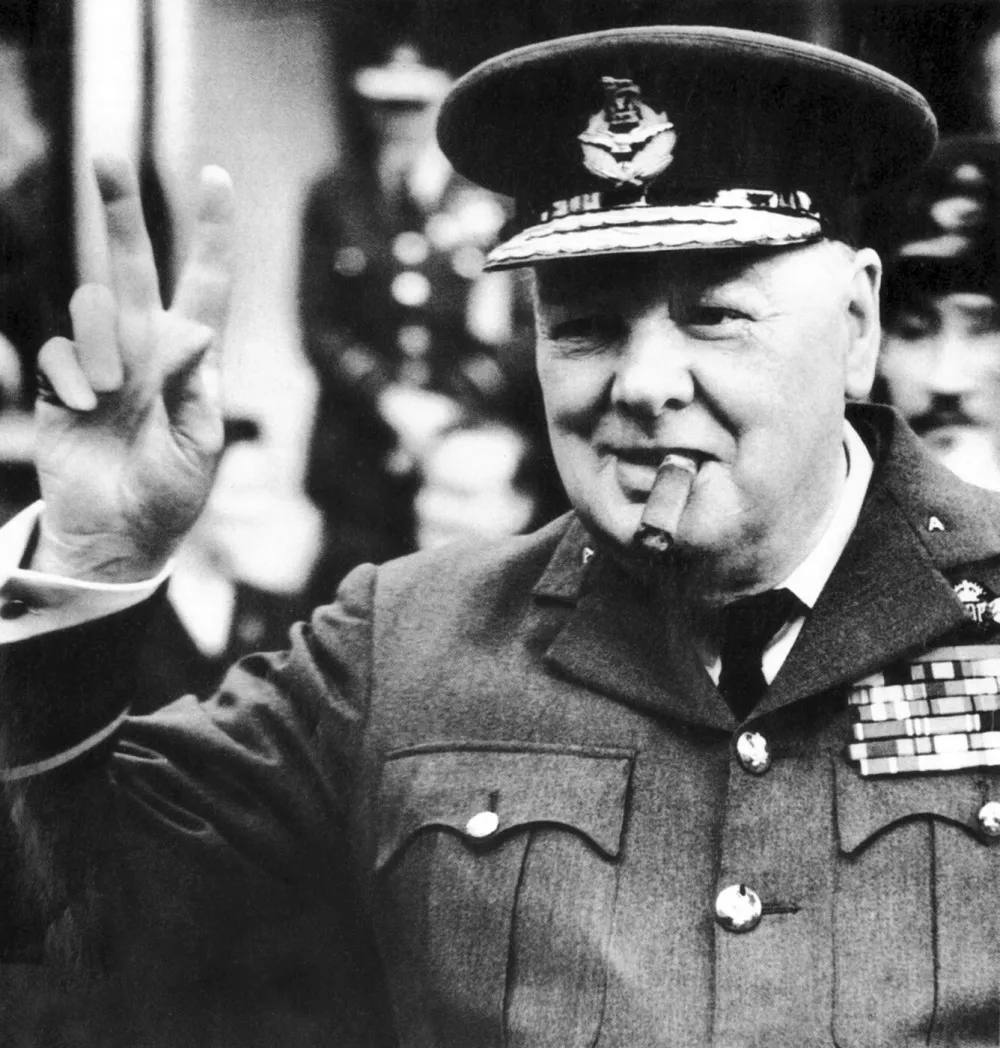
    Sir Winston Leonard Spencer-Churchill, KG, OM, CH, TD, DL, FRS, RA (30 November 1874 – 24 January 1965) was a British politician who was the Prime Minister of the United Kingdom from 1940 to 1945 and again from 1951 to 1955. Widely regarded as one of the greatest wartime leaders of the 20th century, Churchill was also an officer in the British Army, a historian, a writer (as Winston S. Churchill), and an artist. He won the Nobel Prize in Literature, and was the first person to be made an honorary citizen of the United States, Image: 1007351533, License: Rights-managed, Restrictions:, Model Release: no / Photo: Pictures From History Via Profimedia

    Sir Winston Leonard Spencer-Churchill / Photo: Pictures From History via Profimedia

    Churchill, a pragmatist to the bone, made a bold move. He parachuted Brigadier Fitzroy Maclean, head of the British military mission, into Yugoslav territory. His task was simple. As Maclean later wrote in his famous memoir Eastern Approaches (published in 1949): “My task was simply to find out who was killing the most Germans, and to suggest ways in which we could help them to kill more of them.”

    Maclean’s reports were unequivocal. He found that the Partisans were a disciplined and extremely efficient military force. His assessment led to a historic turning point at the Tehran Conference at the end of 1943. The Allies officially recognized the Partisans as an Allied army and launched massive airdrops of weapons. Churchill said this publicly in front of the British Parliament on February 22, 1944: “The partisans hold in check no less than fourteen German divisions… Around and within these heroic forces has developed a national and unifying movement.”

    As soon as Allied politics changed course, so did the press. For American and British newspapers, the Yugoslav resistance overnight became one of the most fascinating stories of the war. Readers accustomed to dry accounts of conventional battles and mass army movements were captivated by tales of relentless guerrillas attacking armored trains from mountaintops and forests and then disappearing like ghosts back into the forests.

    The role of women

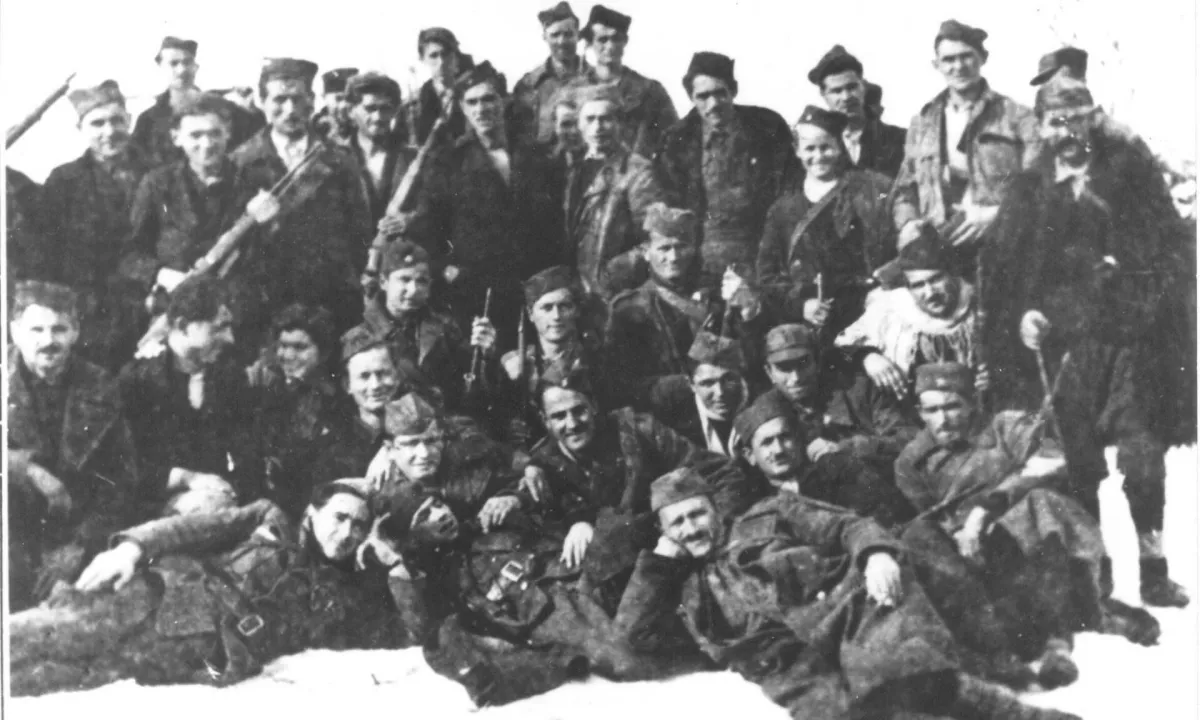
    The American press romanticized the partisans. They were portrayed as freedom fighters. Special attention was drawn to the rescue of downed American pilots and the role of women. Photos of young, armed female partisans with a red star on their caps went around the world. At a time when women in the American or British army performed exclusively rear or medical duties, female partisans stood on the front lines with a rifle in hand. For a Western reader in 1944, it was an inspiring sight.

    However, the reality on the ground was not romantic. She was cruel and relentless. British intelligence officer Basil Davidson, who spent some time with the Partisans, described this brutal difference between myth and reality in his book Partisan Picture (1946) by saying: “They fought in caps, often without shoes, armed with confiscated weapons, and their hospital was the forest. But they fought.”

    In the wider story of the Yugoslav resistance, the Allies – especially the British Special Operations Executive (SOE) – attributed an extremely important strategic status to the Slovenian partisans. Slovenia was not just another province in the Balkans, as they saw it, but it was a direct border with the Third Reich, Austria, and fascist Italy. It was a vital bridgehead over which vital supply lines ran.
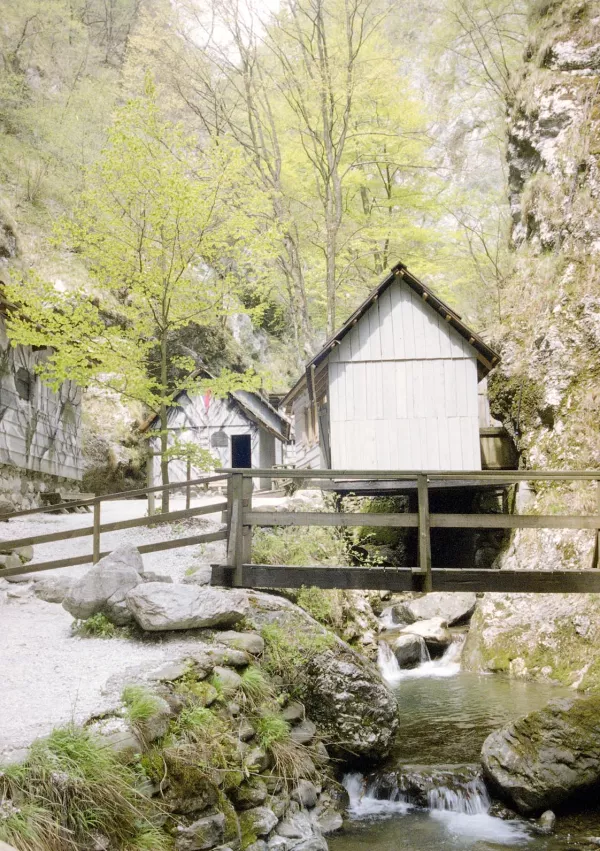
    Franja Hospital, Moj Dom / Photo: Tomaž Bukovec

    Franja Hospital / Photo: Tomaž Bukovec

    The Liberation Front of the Slovenian Nation, founded immediately after the occupation in the spring of 1941, was a phenomenon in itself. It was one of the most massive, culturally imbued and intellectually driven resistance organizations in Europe. Western observers were stunned by its sophisticated organization right under the nose of the occupier. In Slovenia, illegal printing houses, schools and hidden hospitals operated in impassable gorges. The famous Franja Hospital, where wounded American pilots and even prisoners of war were treated deep in the gorge. Many hospitals remained undiscovered until the end of the war and became a symbol of incredible guerrilla ingenuity for the Allies.

    Modern Western historians are the only ones today. The Yugoslav and Slovenian partisans tied up a huge number of German divisions, which Berlin would desperately need in the event of the Allied landings in Normandy or on the eastern front in front of the Red Army.

    For the Allied strategists, Slovenia was crucial. British missions, such as the top-secret Clowder mission, were sent directly into Slovenian forests. The goal was to establish contact with Slovenian partisans, coordinate air supplies and expand the resistance network across Karavanke to Austria. The Allies saw the Slovenian resistance as a wedge that could physically break the railway connections between Germany and the Italian front. With countless acts of sabotage at the railway crossing, Slovenian fighters caused a logistical nightmare for the German army.
    Year 1963. Plowing the fields, every furrow tells a story of hard work in the field. / Photo: Marjan Ciglič, Hrani: Museum of Recent and Contemporary History of Slovenia

    NOSTALGIA

    From Louis Armstrong to the earthquake: hidden faces and highlights of April


    The dynamics on Slovenian territory changed drastically in September 1943, when Fascist Italy capitulated. The Italian divisions, which until then had carried out brutal repression and sent civilians to extermination camps, disintegrated overnight. Thousands of Italian soldiers, who suddenly found themselves at the mercy of their former German allies, defected to the partisans. Italian partisan brigades were formed, such as the Garibaldi Division, which fought side by side with the Yugoslavs until the end of the war.

    Himmler’s fury

    If the allies eventually admired the partisans, the occupiers viewed them through the prism of frustration and racial hatred. The German High Command never officially recognized the Partisans as a legitimate army. They were designated as “Banden” (bandits) in all Wehrmacht documents. Since they were regarded as illegal combatants, the Nazi apparatus launched a bloody policy of extermination against them and the civilian population that supported them, including the burning of entire villages, the shooting of hostages (100 civilians for every German soldier killed) and mass deportations.

    Despite massive military offensives, such as the infamous battles on the Neretva and Sutjeska, where partisan hospitals and headquarters were completely surrounded, they could not break the resistance. It is this indestructibility that has led to one of history’s most unusual and telling quotes.

    Many Germans only realized the extent of the horrors inflicted by the Nazis after the war. The picture shows a German woman, and next to her are 800 corpses of slave laborers who were killed by the SS not far from Namering.

    anniversary

    How did the children of leading Nazis look at their fathers and how did Hitler’s sister look at her brother?


    In September 1944, when the Third Reich was already bleeding on all fronts, SS leader Heinrich Himmler addressed the top German military commanders in a secret speech. In an attempt to instill fanatical endurance in his officers, he used his greatest enemy, Titus, as the ultimate example. His words, preserved in the German archives, were, ironically, a remarkable tribute to the Yugoslav resistance: “Mr. Josip Broz is our enemy, and if we catch him, we will of course immediately liquidate him,” said Himmler. “However, I wish we had a dozen Titos in Germany, men who lead and have such a strong heart and such good nerves that, although they are forever surrounded, they never surrender. This man finds a way out every time. He never capitulated.”

    Modern Western historians are the only ones today. The Yugoslav and Slovenian partisans tied up a huge number of German divisions, which Berlin would desperately need in the event of the Allied landings in Normandy or on the eastern front in front of the Red Army.

    Yugoslavia was the only country in occupied Europe that liberated itself largely on its own, with its own forces and allied air support. This military confidence and independence enabled Tito to say no to Stalin after the war, as the world plunged into the Cold War, and in 1948 pull Yugoslavia out of the grip of the Soviet Iron Curtain.

    Slovenian resistance also remains unique. It was a movement that defended the territory, of course, but it also advocated the survival of the language and national identity of a nation condemned to extinction.

    Source link

    Related Posts

    When the battery is almost fully charged in six and a half minutes
    Slovenia

    When the battery is almost fully charged in six and a half minutes

    May 5, 2026
    Drove in the opposite direction under the influence of alcohol and drugs
    Slovenia

    Drove in the opposite direction under the influence of alcohol and drugs

    May 5, 2026
    LeBron James and the Lakers jumped the first hurdle, now the champions are waiting for them
    Slovenia

    LeBron James and the Lakers jumped the first hurdle, now the champions are waiting for them

    May 5, 2026
    The 16-year-old was trapped under the tractor
    Slovenia

    The 16-year-old was trapped under the tractor

    May 5, 2026
    I highly doubt that children can be more stupid than their parents and teachers
    Slovenia

    I highly doubt that children can be more stupid than their parents and teachers

    May 5, 2026
    An English footballer fell asleep “dead drunk” in a bar in Manchester
    Slovenia

    An English footballer fell asleep “dead drunk” in a bar in Manchester

    May 5, 2026
    Next Post
    Two priests allegedly got into a fight in a private church in Târgu-Jiu. One of them was dismissed 3 years ago, but would have continued to serve

    Two priests allegedly got into a fight in a private church in Târgu-Jiu. One of them was dismissed 3 years ago, but would have continued to serve

    POPULAR NEWS

    Justin Bieber fans flood Coachella festival for headlining show – Entertainment

    Justin Bieber fans flood Coachella festival for headlining show – Entertainment

    April 20, 2026

    Over 600 flee homes as Army, NPA clash in Negros Occidental

    April 21, 2026

    Ex-DPWH exec recalls P800-M ‘delivery’ to Zaldy Co 

    April 20, 2026

    Former PM Paluckas suspends party membership, to waive immunity over criminal probe

    April 24, 2026
    Pres. Ali challenges CARICOM to transform into health research powerhouse

    Pres. Ali challenges CARICOM to transform into health research powerhouse

    April 23, 2026

    EDITOR'S PICK

    Toronto police want to talk to ex-cop who alleged antisemitism, corruption in senior ranks

    Toronto police want to talk to ex-cop who alleged antisemitism, corruption in senior ranks

    April 23, 2026
    Skerrit backs IMF findings despite minor disagreement

    Skerrit backs IMF findings despite minor disagreement

    April 15, 2026
    UBS rejects Swiss government proposal on capital requirements

    UBS rejects Swiss government proposal on capital requirements

    April 28, 2026
    “Allies for Childhood VI”: they dismantle a network of child sexual exploitation – Police

    “Allies for Childhood VI”: they dismantle a network of child sexual exploitation – Police

    May 4, 2026

    Recent Posts

    • Childhood bullying found to encourage belief in conspiracy theories
    • Sweden, Denmark and Norway sign joint declaration against ‘illegal migration’
    • Finance minister: Excise duty on diesel will not be reduced | News
    • Kela offers over-65s private doc visits anywhere in Finland this summer | Yle News

      © 2026 Agentially - Navigating shifting sovereignties and global risk .

      Welcome Back!

      Login to your account below

      Forgotten Password?

      Retrieve your password

      Please enter your username or email address to reset your password.

      Log In
      No Result
      View All Result

        © 2026 Agentially - Navigating shifting sovereignties and global risk .

        This website uses cookies. By continuing to use this website you are giving consent to cookies being used. Visit our Privacy and Cookie Policy.