Although the parliamentary election is over, the struggle for power has only just begun.
Because now the government negotiations are starting, and there are many possible combinations. Because neither red nor blue block in Denmark can muster a majority without the party in the middle; The moderates. Red bloc ended up with 84 mandates, while blue bloc can muster 77 mandates.
Although the parliamentary election is over, the struggle for power has only just begun.
Because now the government negotiations are starting, and there are many possible combinations. Because neither red nor blue block in Denmark can muster a majority without the party in the middle; The moderates. Red bloc ended up with 84 mandates, while blue bloc can muster 77 mandates.
Since the four North Atlantic mandates count exactly as much as all other mandates, it is therefore very likely that they will also be invited to negotiations at Marienborg in the coming time.
Ready for negotiations
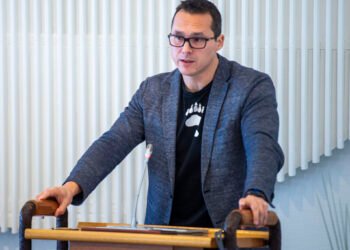
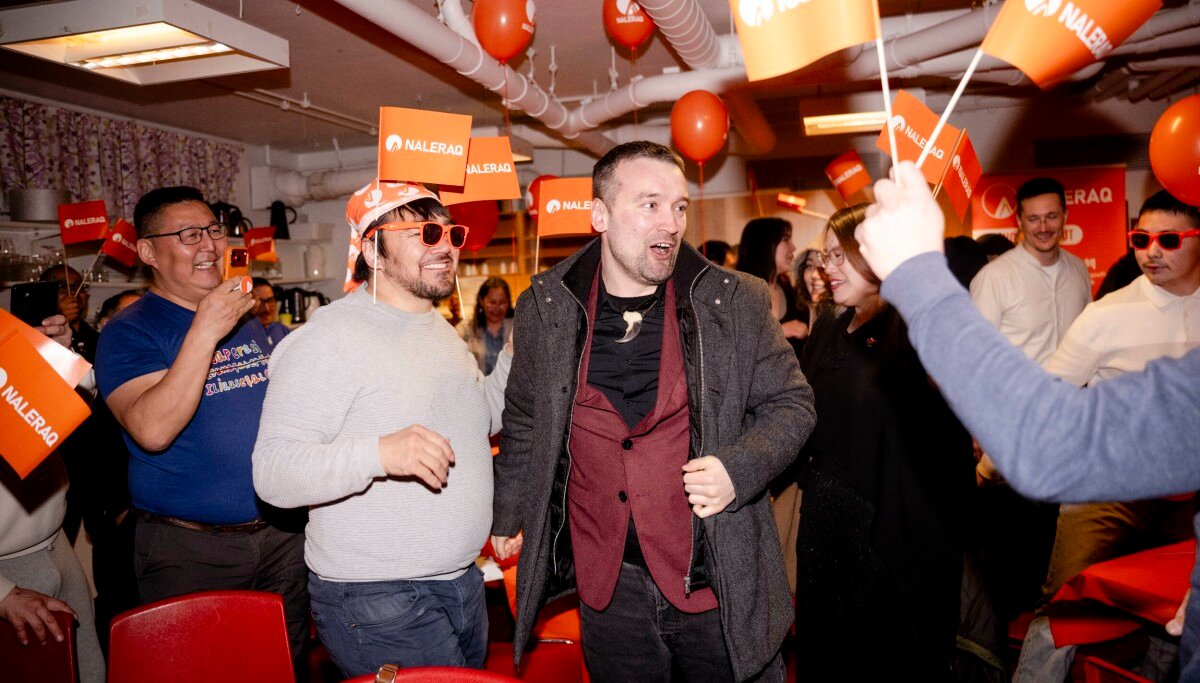
The country’s biggest vote-getter Qarsoq Høegh-Dam, who scored 4,619 personal votes for Naleraq, has already declared himself ready for negotiations on behalf of Greenland.
– Now it’s about getting to work. I expect to leave as soon as possible for Denmark, so that I can take part in the meetings there, he told Sermitsiaq immediately after it became clear that the party would for the first time get a member in the Folketing after an election.
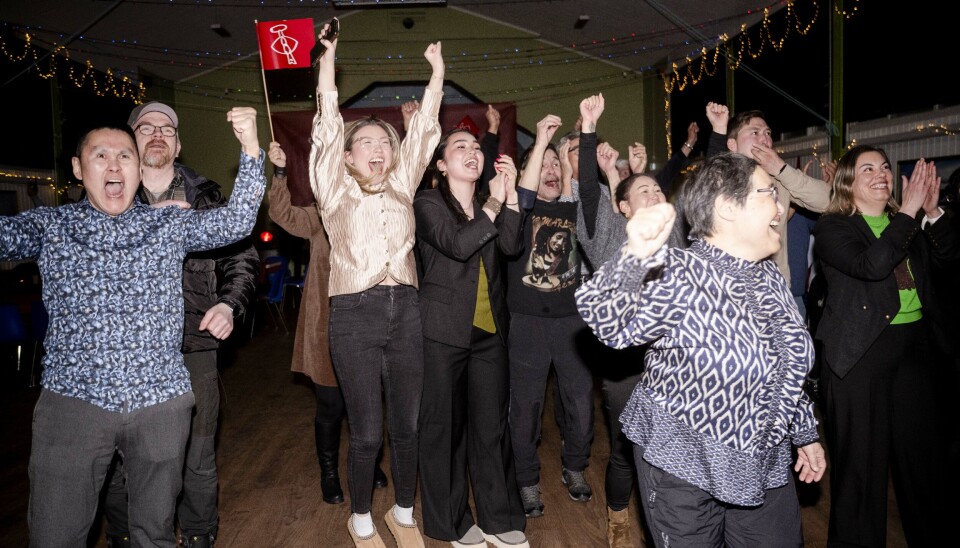
IA keeps the stool
Qarsoq Høegh-Dam can thus take over the little sister’s office and the party employees at Christiansborg, because Aki-Matilda Høegh-Dam switched during the last term from Siumut to Naleraq.
Inuit Ataqatigiit can also keep their office, because although the experienced politician Aaja Chemnitz did not stand again, the party received the most votes of all with 6,133.
Leading candidate Naaja H. Nathanielsen got the third most personal votes with 1,953, but takes over the stool due to the party’s total votes. In the same sorrow, she waved goodbye to the position as naalakkersuisoq for business, raw materials, the area of justice, energy and equality, which she explained to Sermitsiaq in this way:
– Both jobs are important, but in the next few years it is really important to represent Greenland in the Folketing and speak our case in a world that has changed radically. So I’m really looking forward to doing that, and I’m sure Múte can find a suitable candidate in my place as a post for naalakkersuisoq.
A second place was not enough
Thus, Demokraatit was bypassed in this round, but leading candidate and member of Naalakkersuisut with responsibility for health and persons with disabilities, Anna Wangenheim, can take comfort in a personal vote count of 2,358 out of the party’s 3,767 votes.
Sermitsiaq caught Anna Wangenheim immediately after the result was clear, where she expressed that it was a shame, since she got the second most personal votes, but that this was the way it is done technically in elections.
Not decisive mandates for government formation
Associate Professor at the Danish Institute for International Studies Ulrik Pram Gad points out that the Danish election result means that it is not immediately the North Atlantic mandates that will be decisive in the formation of a government. They should therefore focus on coordinating so that they have the greatest possible influence on a future government basis.
In the latest government basis from 2022 “Responsibility for Denmark”, there was a whole section on the commonwealth including that the government would work for a strengthened and more equal cooperation based on the principle that Greenland and the Faroe Islands should be actively involved in decisions that concerned them.
Influence on government grounds
The newly elected members from Greenland and the Faroe Islands have the same opportunity for influence. But it requires them to work focused and coordinated.
– Their mandate does not have a particularly high price right now, so it is probably better that they use their efforts to coordinate internally and perhaps also involve Naalakkersuisut and the Lagtinget in relation to getting something into the government foundation that can pave the way for a Commonwealth 2.0., says Ulrik Pram Gad, who notes, however, that it can be difficult, as Naleraq, Inuit Ataqatigiit, Javnaðarflokkurin and the Union Party see the world very differently.
– If you were to place the newly elected North Atlantic members of Parliament on a scale from Commonwealth to independence, then Anna Falkenberg is at the very end of one corner, while Qarsoq Høegh-Dam is at the very end of the other corner. And Sjúrður Skaale and Naaja H. Nathanielsen are also not aligned in the middle, so it may be difficult for them to reach an agreement, and we also don’t know who will end up in government in Thorshavn, says Ulrik Pram Gad and adds:
– But if they can agree on some wording – perhaps even a joint text on how they see the Commonwealth of Nations developing – then it could be very difficult for a future unity government not to include it in a government basis.