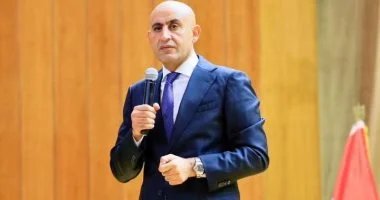
The Arabic language and religious education… are two basic pillars in building national identity and shaping awareness
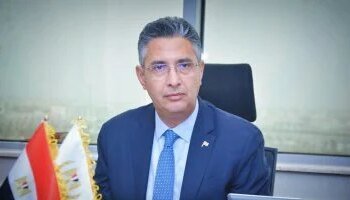
Minister Mohamed Abdel Latif is leading a reform path to address the accumulated challenges and restore discipline to the Egyptian school
It is not possible to talk about developing education in isolation from identity. The countries that succeeded in building strong educational systems did not start in a vacuum, but rather relied on their language, culture, and national values as they moved toward the future. Hence, caring for the Arabic language and religious education appears to be an issue that goes beyond the boundaries of the school curriculum to become part of a broader project aimed at building the Egyptian person, formulating his awareness, and consolidating his belonging.
In truth, this trend has clearly emerged in the vision of the Egyptian state led by President Abdel Fattah El-Sisi, who repeatedly stressed the importance of restoring the deserved status of the Arabic language, not only as the language of identity, but because it is the natural gateway to the correct understanding of religion, culture, and thought. At the same time, he stressed that pride in the mother tongue does not conflict with mastery of foreign languages, but rather represents a solid foundation for openness to the world and interacting with it with confidence and ability.
In this context, movements came Minister of Education Muhammad Abdul Latif, to reflect a true awareness of the importance of this path, whether by emphasizing the fundamental status of the religious education subject or by working to restore discipline to the educational system and address many of the challenges that have been troubling the educational community for many years. The Minister has stressed on more than one occasion that the religious education subject is a basic subject that has its respect and pivotal place in the educational process, because of the important role it represents in promoting values and morals and consolidating the national identity of students at various educational levels.
This trend carries important implications that go beyond the limits of academic curricula, as it is linked to building awareness and protecting young people against extremist ideas or misconceptions, as well as developing the values of tolerance, belonging, and respect for others. Interest in the Arabic language also contributes to raising the levels of understanding and understanding among students, and gives them the tools for sound thinking and accurate expression, which is reflected positively on various academic subjects.
On the ground, efforts were not limited Minister of EducationIt focused on the intellectual and educational aspects only, but extended to addressing many of the chronic challenges that have faced the educational system for many years. During the last period, schools witnessed a significant improvement in attendance rates and the regularity of the educational process, after taking multiple measures aimed at returning the school to its natural role as a place for learning, interaction, and character building.
The Ministry has also succeeded in achieving clear progress in the file of student densities in classrooms, a file that for years has been one of the biggest challenges affecting the quality of the educational process. The solutions that were applied contributed to relieving pressure within a large number of schools, providing a more suitable educational environment for students and teachers alike. The Ministry also worked to confront the shortage in the number of teachers through a set of mechanisms and procedures that helped improve the distribution of human resources and make use of available capabilities more efficiently. This was accompanied by continuous efforts to develop administrative performance within educational institutions, ensuring increased work efficiency and improved quality. Services provided to students and parents.
It cannot be denied that developing education is an extremely difficult and complex task, given the magnitude of the system, the complexity of its files, and the accumulation of challenges over many decades, but what distinguishes the current stage is the presence of a clear will to deal with these challenges in a practical manner, with a focus on achieving tangible results that are felt by the student, guardian, and teacher within the school.
In my opinion, interest in the Arabic language and religious education does not represent a return to the past as much as it expresses a correct understanding of the requirements of the future. Strong nations are those that move toward progress while adhering to their roots, identity, and values, and are at the same time capable of acquiring modern sciences, mastering the world’s languages, and being open to different cultures.
The education battle remains the most important battle for any country seeking to build a better future, and every step that strengthens national identity, consolidates moral values, and raises the level of educational attainment represents a real investment in the Egyptian person. From this standpoint, the efforts made to pay attention to the Arabic language and religious education, in parallel with developing the various elements of the educational system, appear to be an important part of a broader project aimed at preparing generations that are more aware, capable, and loyal to their homeland.
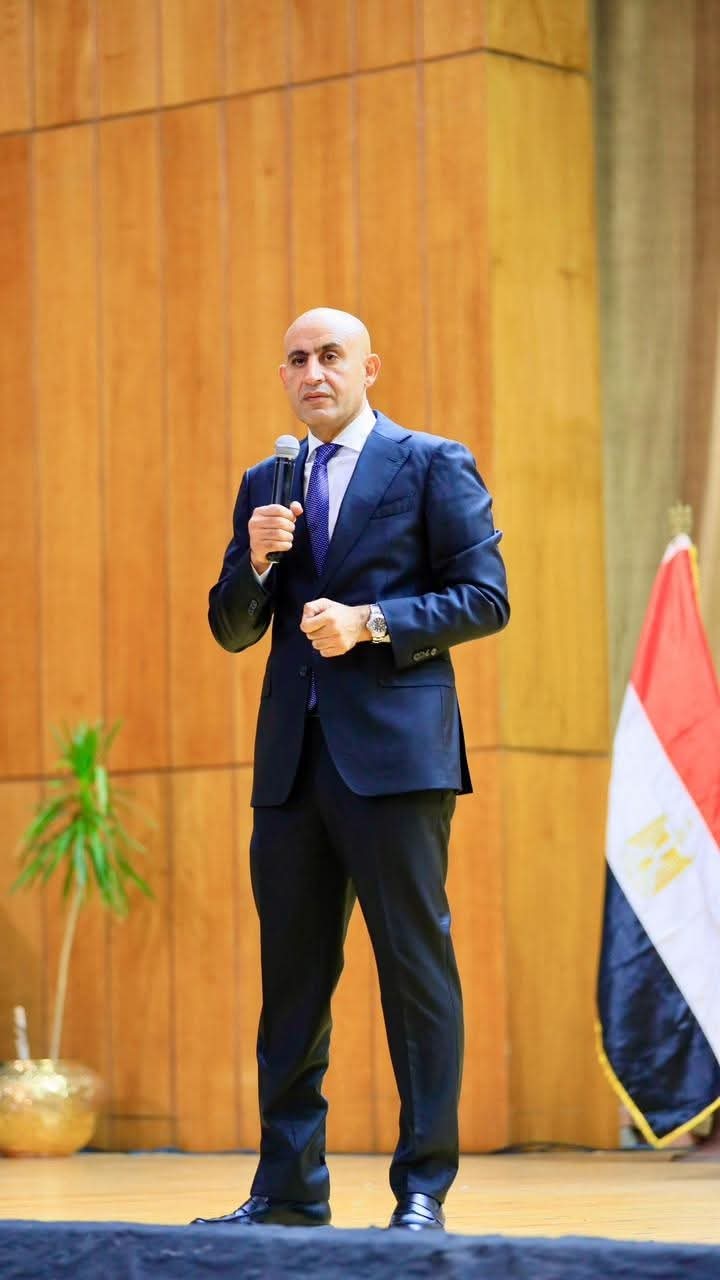
Minister of Education
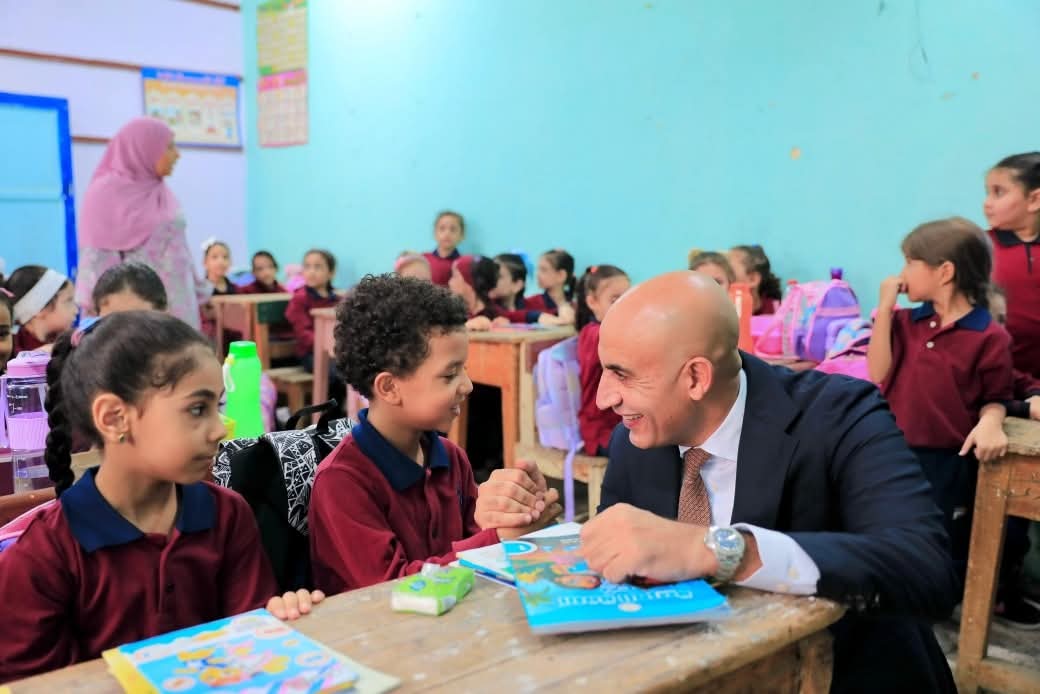
Minister of Education with children in schools
.jpg "Minister of Education with children in schools (1)")
Minister of Education
.jpg "Minister of Education with children in schools (2)")
Minister of Education with children in schools