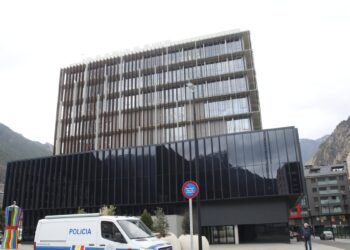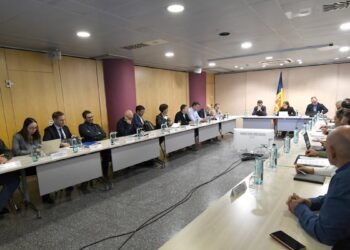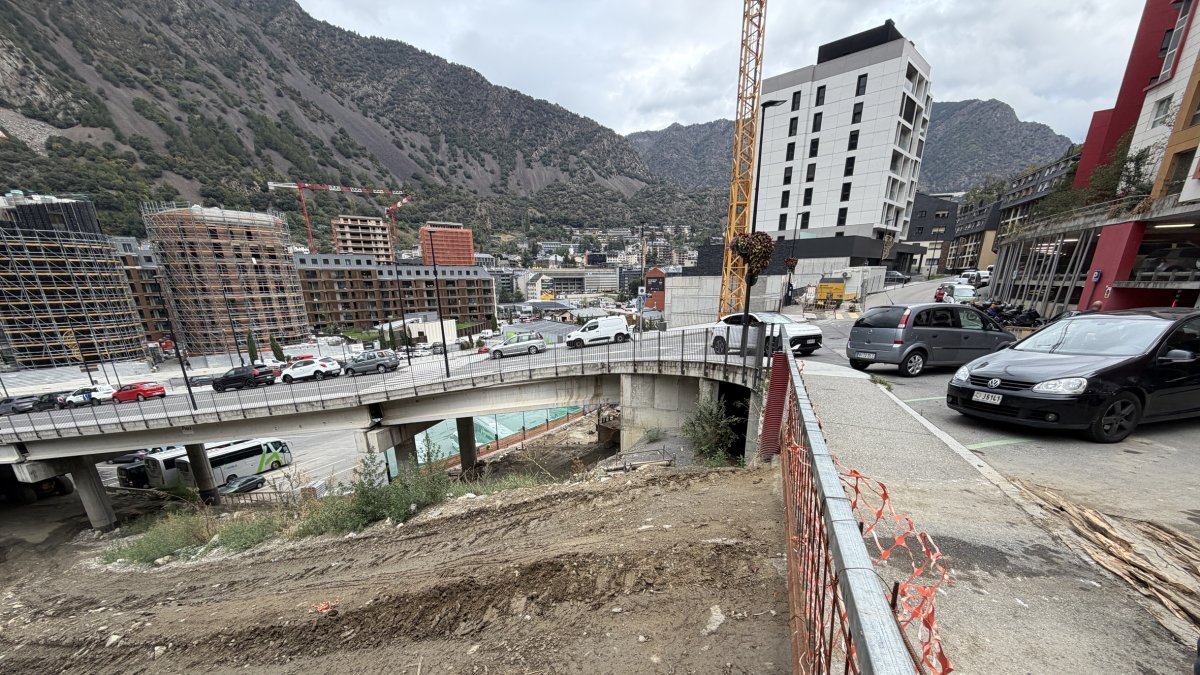

The council of Andorra la Vella approved yesterday afternoon to go ahead with the proposal to promote the first co-operative housing in the country in the communal plot of Terra Vella. The Councilor for Digital Transformation, Sustainability and Housing, Marc Torrentannounced that the report that will have to endorse the legal viability of the project. In the coming months, he added, it will be necessary to complete the economic study, as well as to finish profiling the terms of the competition for award the land use rights to a cooperative. At the same time, negotiations with the banks have already begun with the aim of defining the terms of a possible agreement for financing.
“One of the advantages of the cooperative model is that the administration does not have to hold tenders”
The minority had entered another agreement proposal because the common paid for the construction of the property with its own funds and directly manage the project. As he remembered councilor David Astriéthe common has a treasury of more than 27 million euros and could therefore finance the building without having to go to the banks. Astrié he also pointed out, in addition, that all the formulas proposed so far by the common to realize a block of flats for rent at an affordable price have not been successful. “The accumulated experience must be used for make decisions and take responsibility“, said the councilor. The proposal was rejected by the majority.

“We don’t want a year from now to be talking about a procedure that still needs to be studied”
The democratic group abstained from voting on the point defended by clarify. “We don’t see it as bad, and that’s why we didn’t vote against it, but it means postponing construction once again to start a new stage of defining the project. (…) We don’t want a year from now to be talking about a procedure that still needs to be studied or has not been successful,” he stressed Astrié
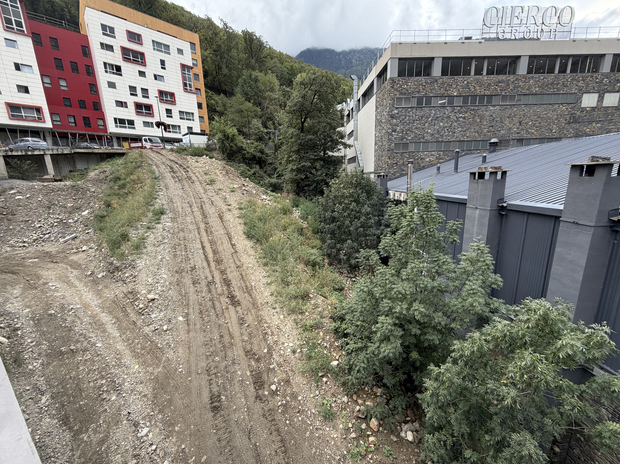
The property could accommodate fifty flats. The exact number will have to be determined by the needs of the members of the cooperative. During the discussion of this point it was pointed out that the monthly fee to reside in the block could be between 1,100 and 1,200 euros per flat. As he explained Torrentat the beginning the banks would finance the 80% of the construction cost of the buildingwhile partners would put in 20%. Quotas, to which it would only apply the increase in the CPI throughout the transfer periodthey should allow the loan to be returned to the bank and generate a fund that could only be used to finance other cooperative housing projects. All these details, however, have yet to be negotiated. It will also have to be determined if it is the cooperative who will have to hire the architect and the construction company directly or the common will have to do it. “One of the advantages of the cooperative model is that the administration does not have to do tenders, which can shorten the deadlines”, pointed out Torrent.