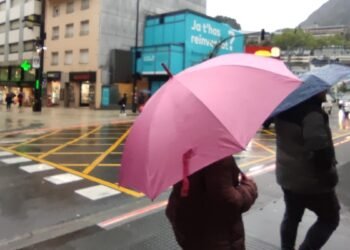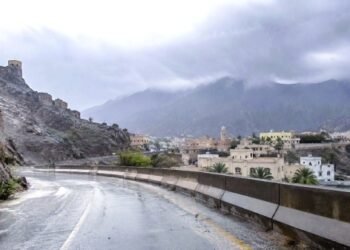

The National Civil Protection Commission has favorably informed the first civil protection plans and the corresponding risk maps, which they establish the mechanisms for coordination and response to emergencies such as earthquakes, heavy snowfalls and floods. The validation was agreed this Friday during a meeting chaired by the Minister of Justice and Interior, Ester Molnéwith the minister of Territory and Urbanism, Raul Ferréas vice president.
The documents include the review of the National Territorial Plan and special plans associated with seismic, heavy snowfall and flood risks. These instruments must allow identify the main risks of the territoryanticipate possible emergency situations and establish the responsibilities of the different services involved.

During the review process, developed over the last year, 136 comments have been madethe vast majority of which have been incorporated into the documents. The modifications have focused particularly on the distribution of powers between the Government and the communes, the command structure, the coordination of services and preventive measures and protection of the population.
The work will continue during 2027, with the preparation of new special plans and the advancement of specific plans for areas affected by the risk of avalanches.
A test of the AD-ALERT system in mid-December
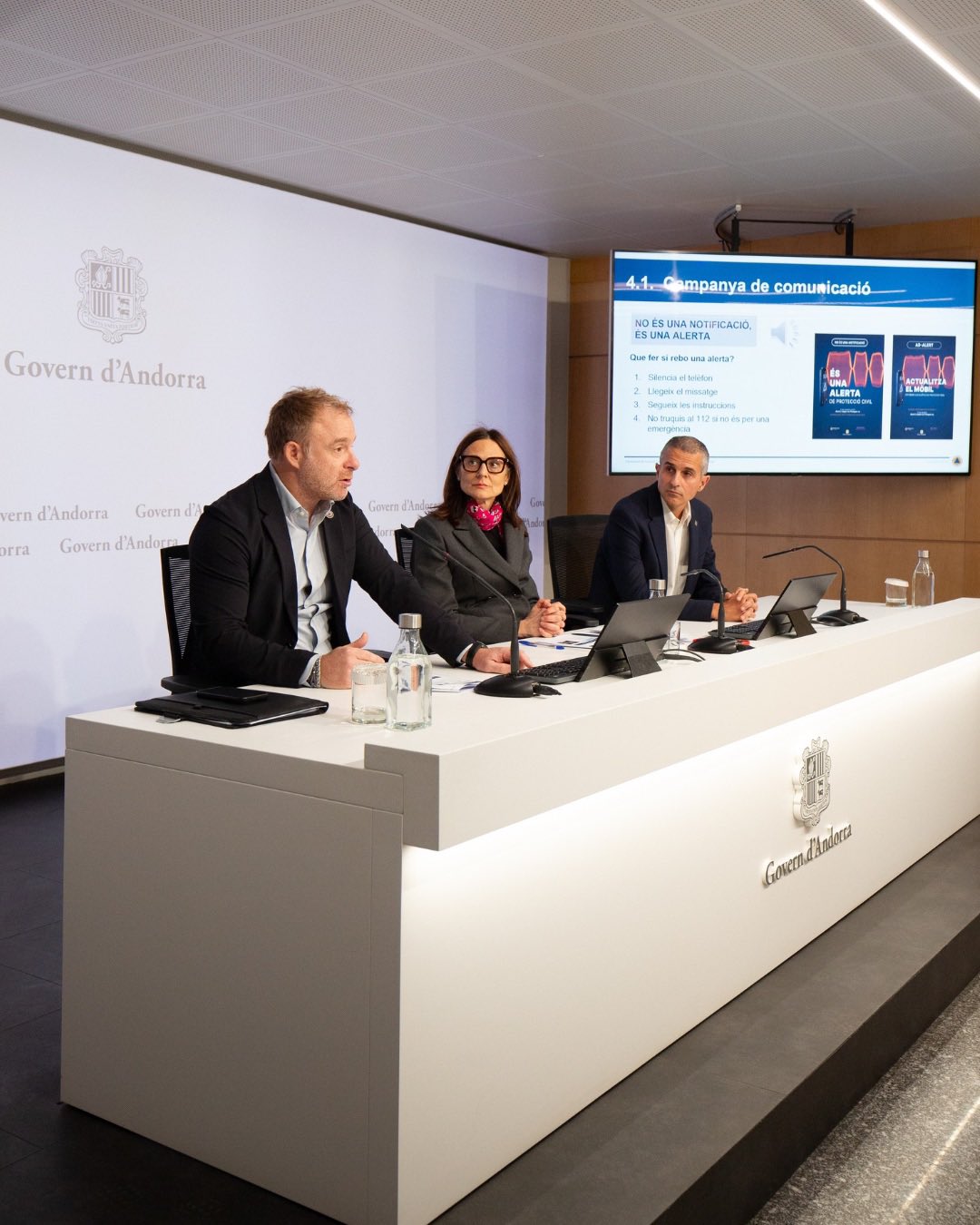
The meeting also served to monitor the deployment ofAD-ALERTthe Government’s new official mechanism for informing the population in situations of risk or emergency. After the presentation of the system and the information campaign aimed at citizens, it is planned to carry out a real test in mid-December.

The Commission has also received information on the progress of future work National Emergency Center 112 (CNE-112).
In terms of human resources, the civil protection volunteer corps currently has 38 active memberswhich during 2026 have participated both in preventive devices and in actions related to emergencies. The department works with thegoal of reaching 50 volunteers to expand the body’s ability to respond and support.
A network of climate shelters throughout the country
Another point discussed was coordination with the communes, especially with regard to communal territorial plans and the actions foreseen in the “For a safer territory” agreement.
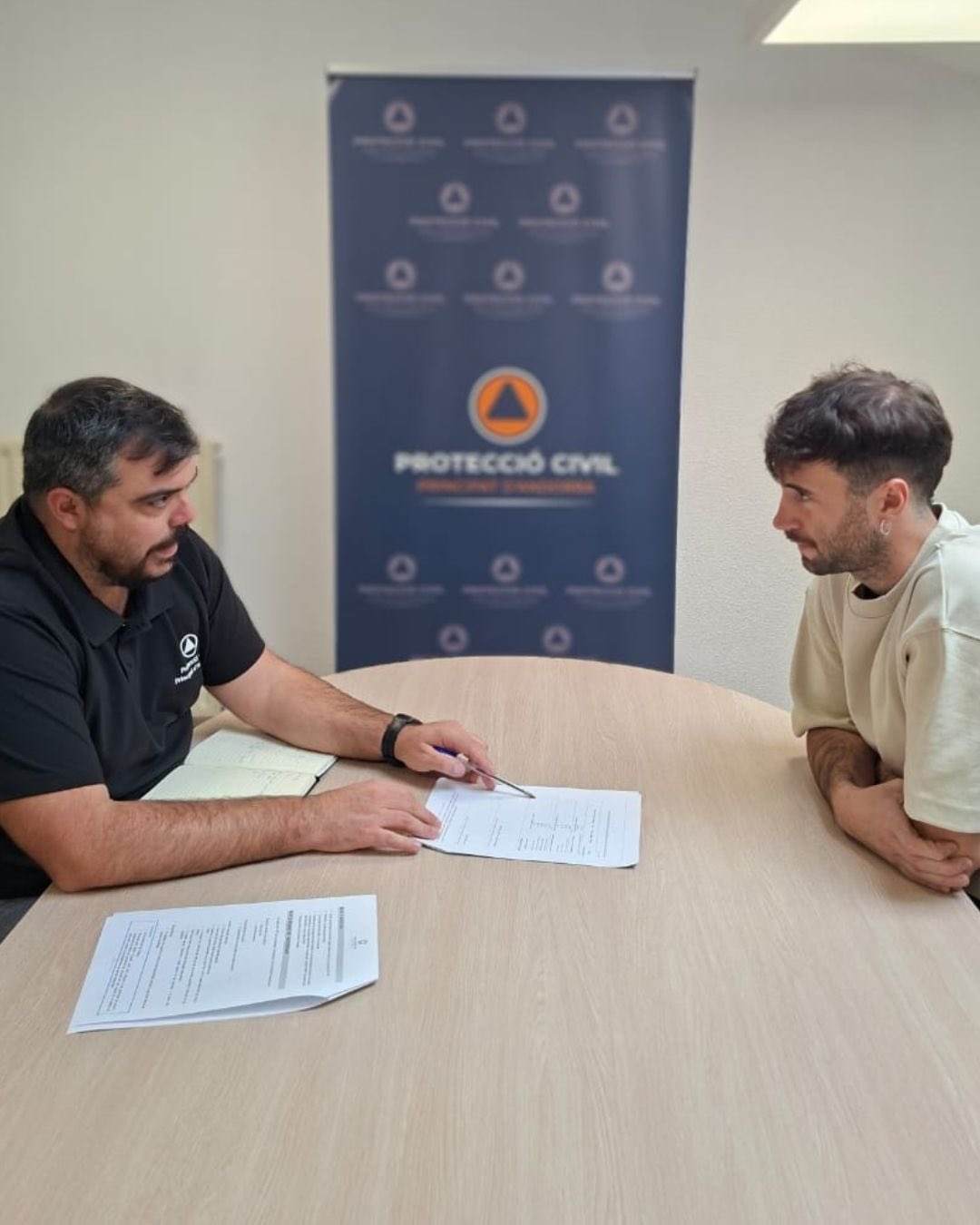
In this area, it has been considered to create a technical working group to promote a network of climate shelterswith shared criteria and a common identification at national level. The aim is that these spaces can be recognized in a homogeneous way in all the parishes.
Finally, the The Commission has addressed the possibility of unifying signage related to risks and information addressed to the population, with the purpose of facilitating the identification of warnings and protective measures against possible emergencies.