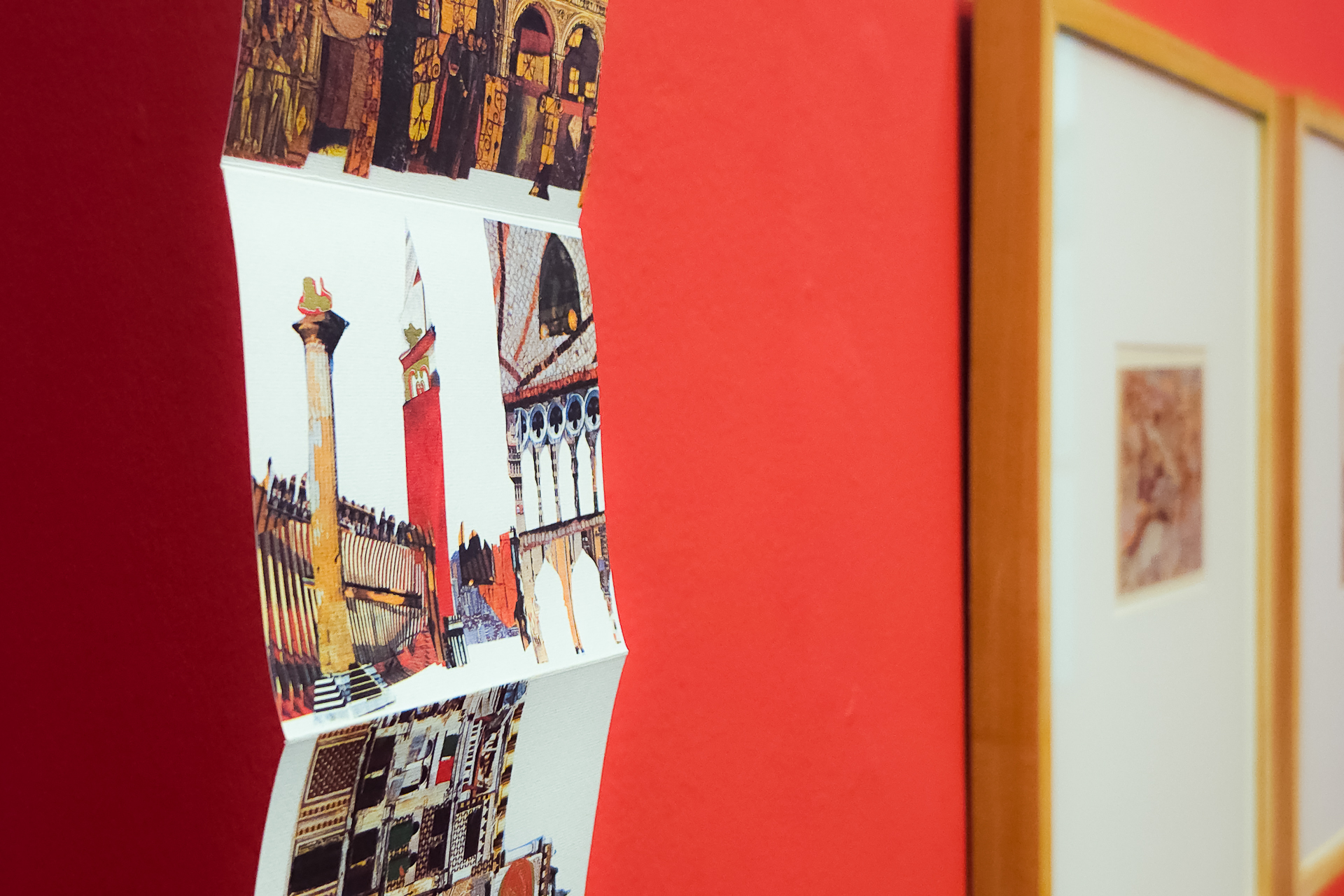
When I was a girl, Mercedes Pardo (1921-2005) He found in watercolors a way to channel his restless personality. Her mother, Inés Mercedes Ponte, discovered that by placing her in front of a canvas the little girl was able to concentrate on painting. At that same time, the girl was fascinated by the Venetian mosaic that covered her grandmother’s bathroom. At only 10 years old, Pardo did not suspect that at that time the artistic vocation germinated that would define his life.
Years later, after exploring the possibilities of light and color through collage and painting, the artist—considered one of the greatest exponents of abstractionism in Venezuela— would recognize his first aesthetic awakening in that domestic design.
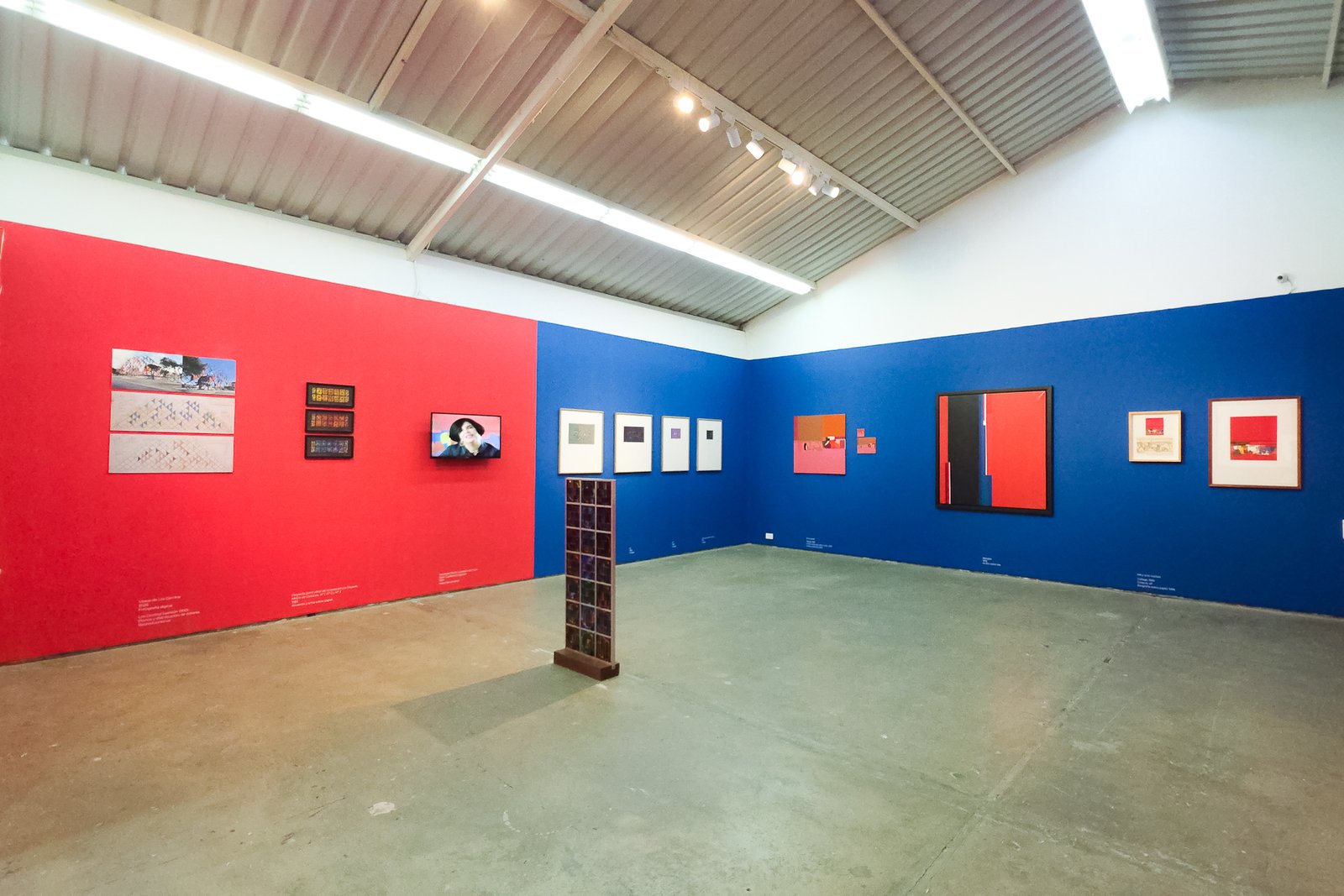
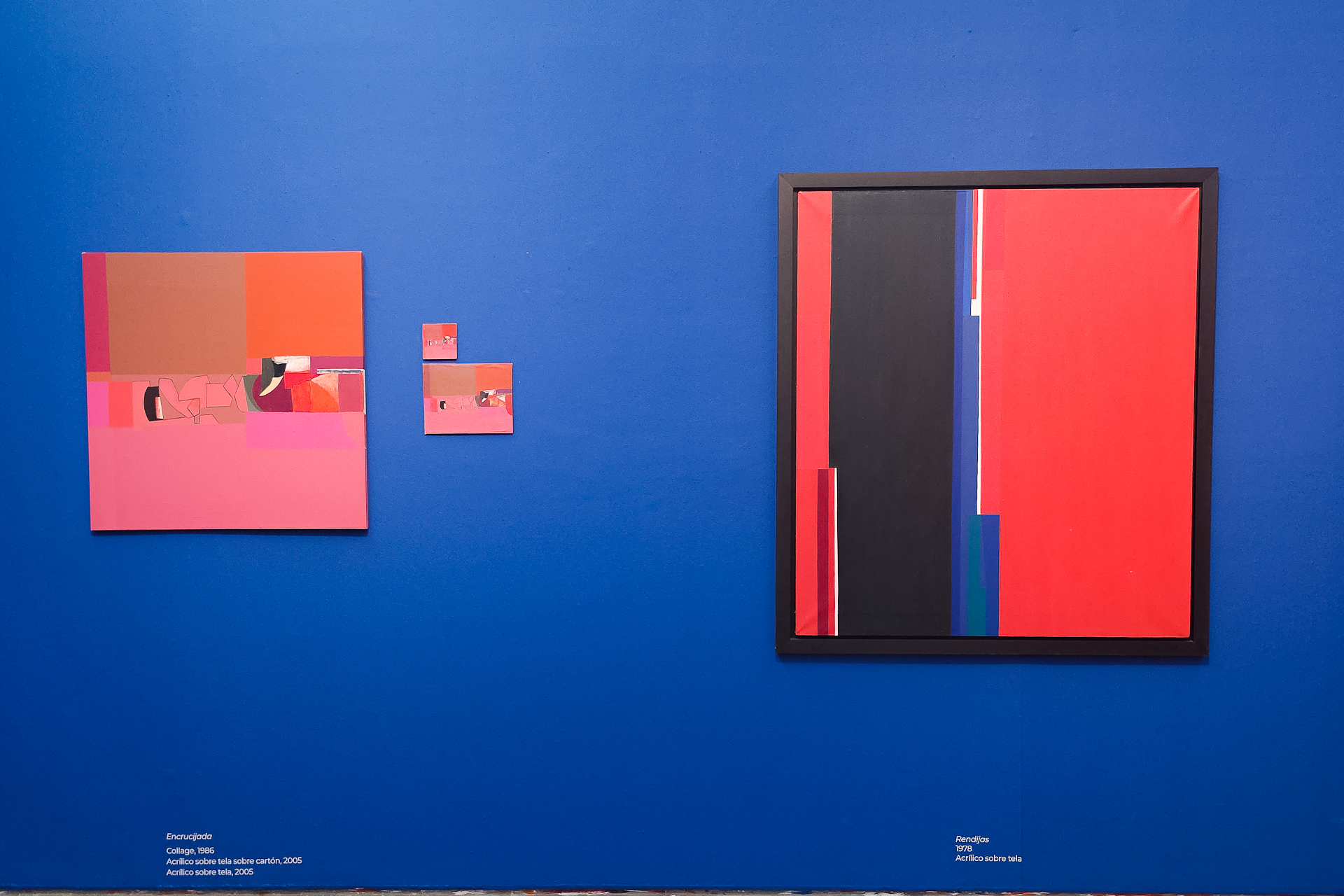
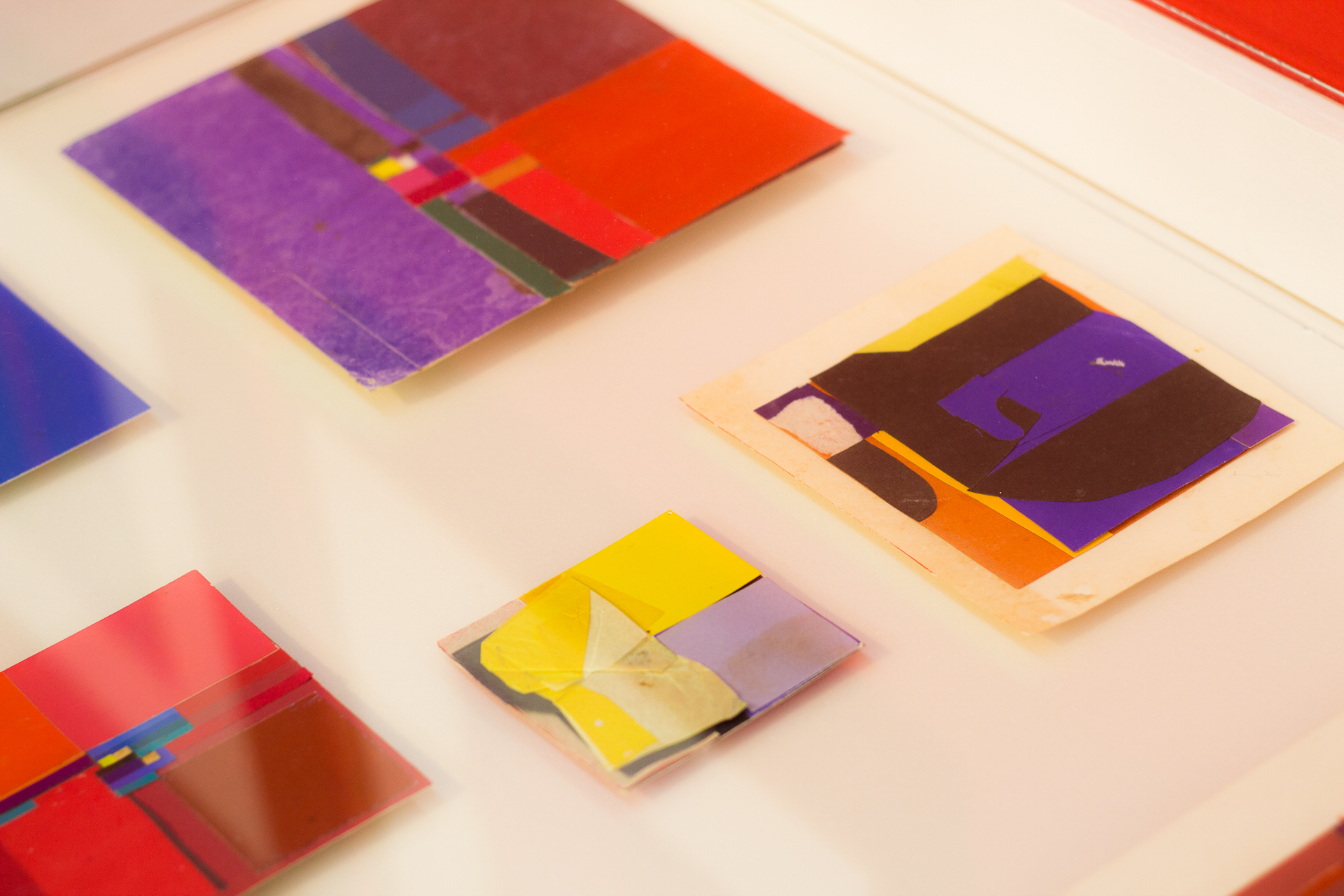
In tribute to his career, the ABRA Gallery presents the exhibition at the Los Galpones Art Center Open File, a compendium of 28 pieces that include sketches, collages and acrylics. The exhibition reveals the intimate creative process of a creator whose legacy continues in a process of constant revaluation.
Graduate of the School of Plastic Arts and Aplicadas of Caracas in 1944, Pardo won the José Loreto Arismendi Prize at the V Annual Official Salon of Venezuelan Art. A state scholarship allowed him to settle in Paris in the late 1940s to study Art History at the Louvre Museum School. During her stay in the French capital, while she was refining her plastic proposal in André Lhote’s workshop, she met the artist Alejandro Otero, whom she married in London in 1951.
Back in Venezuela, he participated in the emblematic International Exhibition of Abstract Art held at the Four Walls Gallery in 1952. From then on, color assumed the leading role in his proposal.
Between caring for her children Alejandro, Gil Fernando and Mercedes, the artist developed works of pictorial density and chromatic experimentation. In 1956 he designed the sets for the play Intervalo, by Elizabeth Schön, presented at the National Theatre. In 1960, while waiting for his fourth daughter, Carolina, and lacking a formal workshop, Pardo adapted a trunk in his room as a temporary easel and storage for his canvases.
Two years later he moved to San Antonio de los AltosMiranda state. There he collaborated in the founding of the Cooperative School to promote craft and plastic expression workshops, and established his definitive home-workshop, a space in which he would consolidate his artistic production.
His daily discipline began first thing in the morning in the garden workshop. The meditation It was her indispensable preliminary step before taking up the brushes, as recalled by her daughter Mercedes Otero, director of the Otero Pardo Foundation (FOP): “She got up early, but she woke up at noon. And while she woke up, she was like meditating, stuck in there, doing all these things that we see: her sketches, collages, her works. It seemed to penetrate until she was already awake and then she began to really paint.”
Taking advantage of the natural lightthe artist worked entire days on the works that the ABRA Gallery brings together today. The exhibition Archivo Abierto: Mercedes Pardo is exhibited at the Los Galpones Art Center from Tuesday to Saturday from 10:00 am to 6:00 pm, and on Sundays from 10:00 am to 4:00 pm
Creation in discretion
Beyond the plastic field, Mercedes Pardo took on with dedication their family and community roles. “We were five children: my father and four of us,” says her daughter Mercedes Otero. As a mother, she took care of them by encouraging their creativity, but as a wife she cared for Alejandro Otero almost as much as her children. She was also an extraordinary cook, taught at the school she founded and painted constantly.
On one occasion she even described the exercise of art by the women of her time as a secretive task: “I could say that although I did a very sustained workwas practically a clandestine production, not to say marginal. I have been, as a woman and human being, working all the time and stealing space from all the other responsibilities that one has to assume.” However, far from taking that secrecy as an impediment, she took advantage of it: she painted to her own taste, with discretion and silence, but also with freedom.
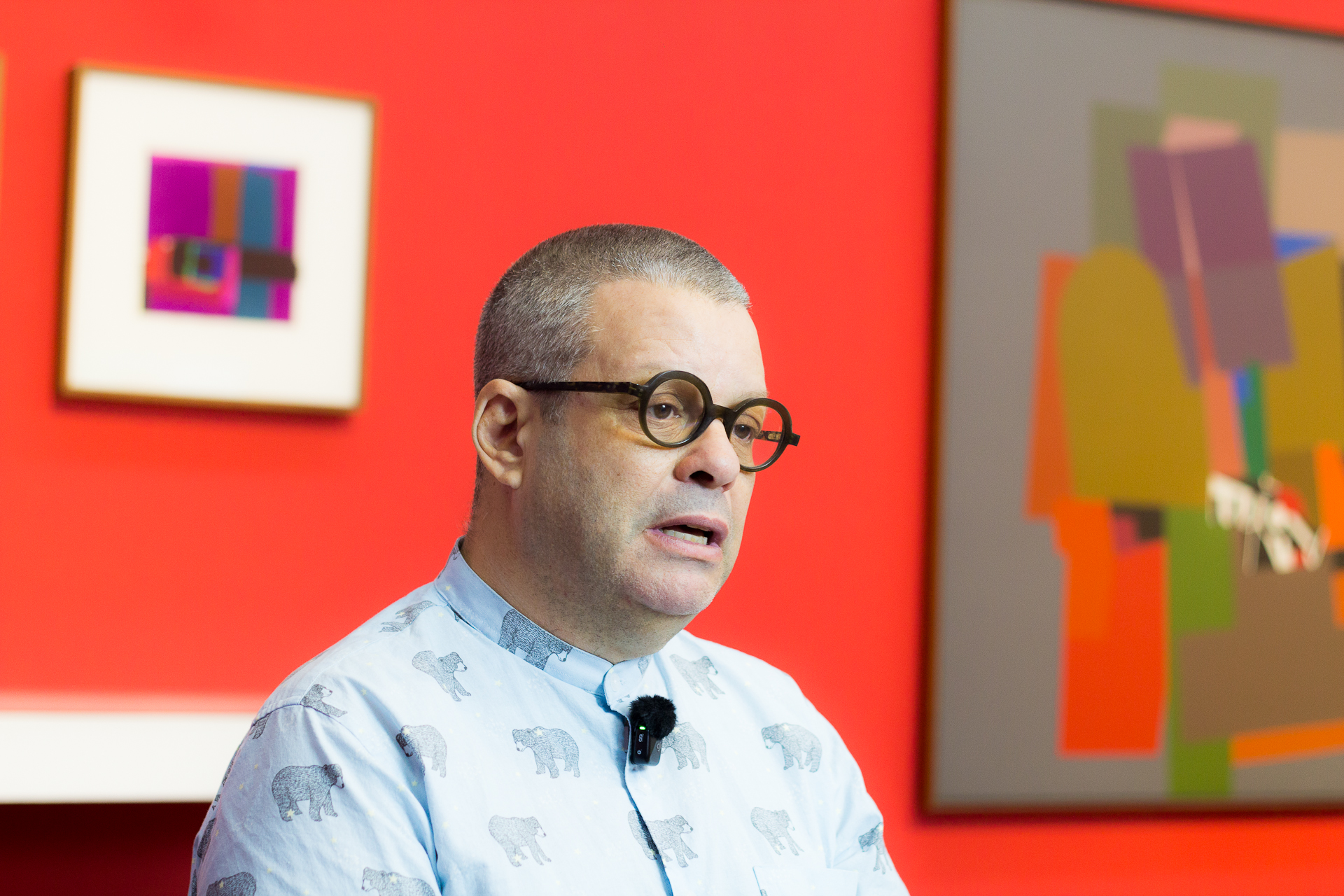
The arrival of your pieces to the project Open File —an initiative that ABRA has been developing since 2016— responds to the research work of the Otero Pardo Foundation. The curators Belén López and Richard Aranguren proposed the selection after studying a format that was little known in Pardo’s production: the sketch.
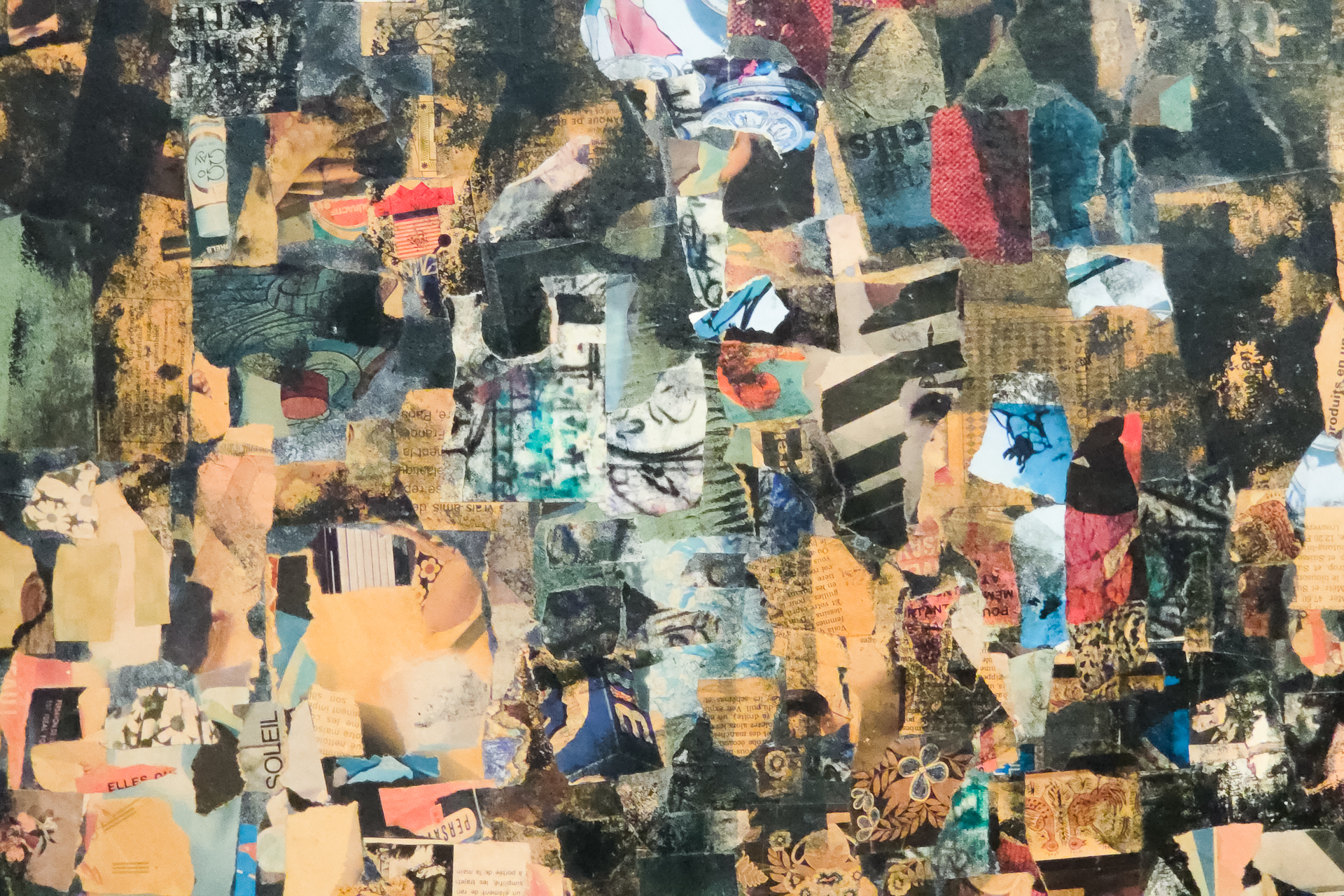
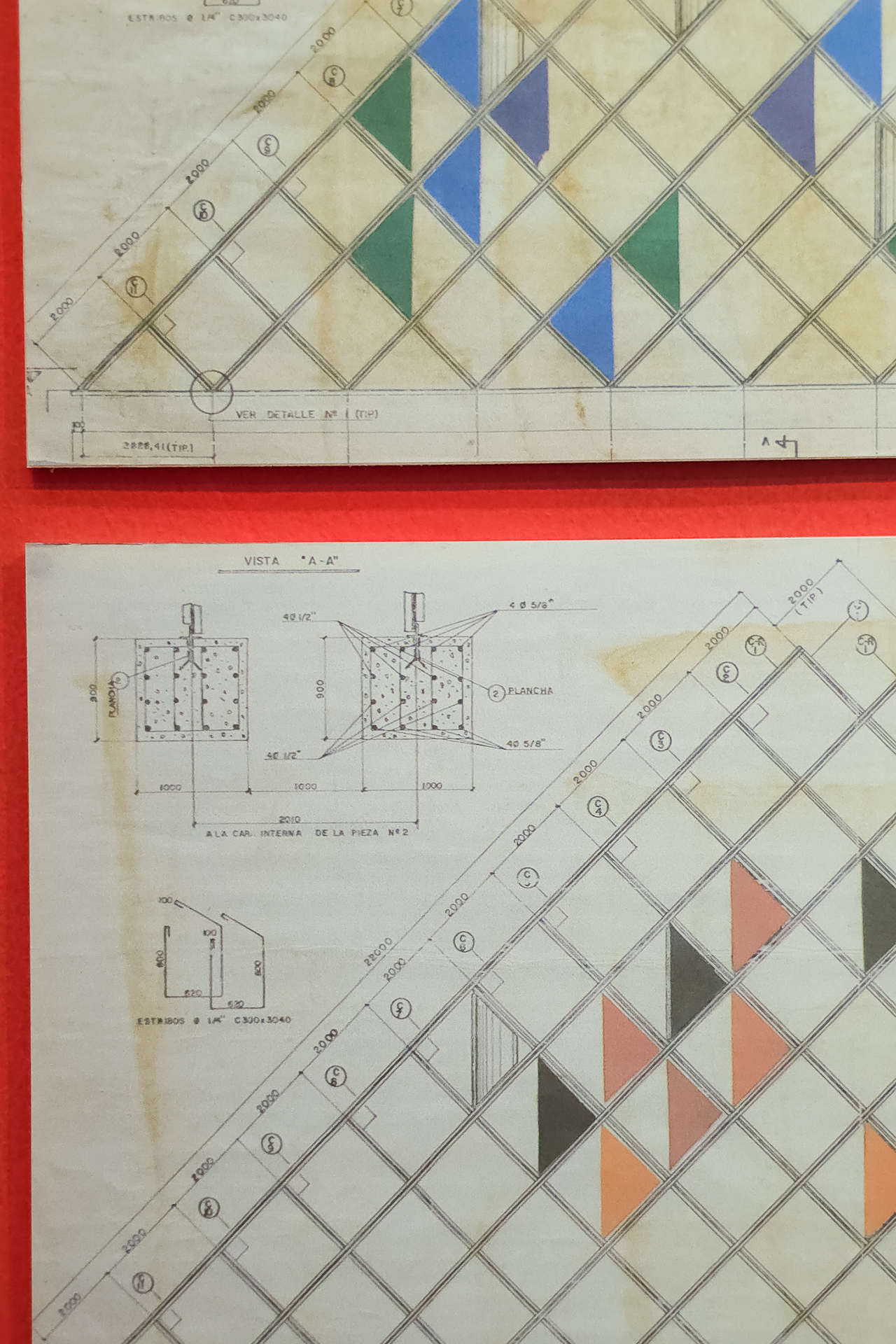
In her work routine, the artist created collages preliminaries that he then traced to create scale sketches, which served as a guide before transferring the composition to large format. “That revealed a working method that we didn’t know,” says the curator.
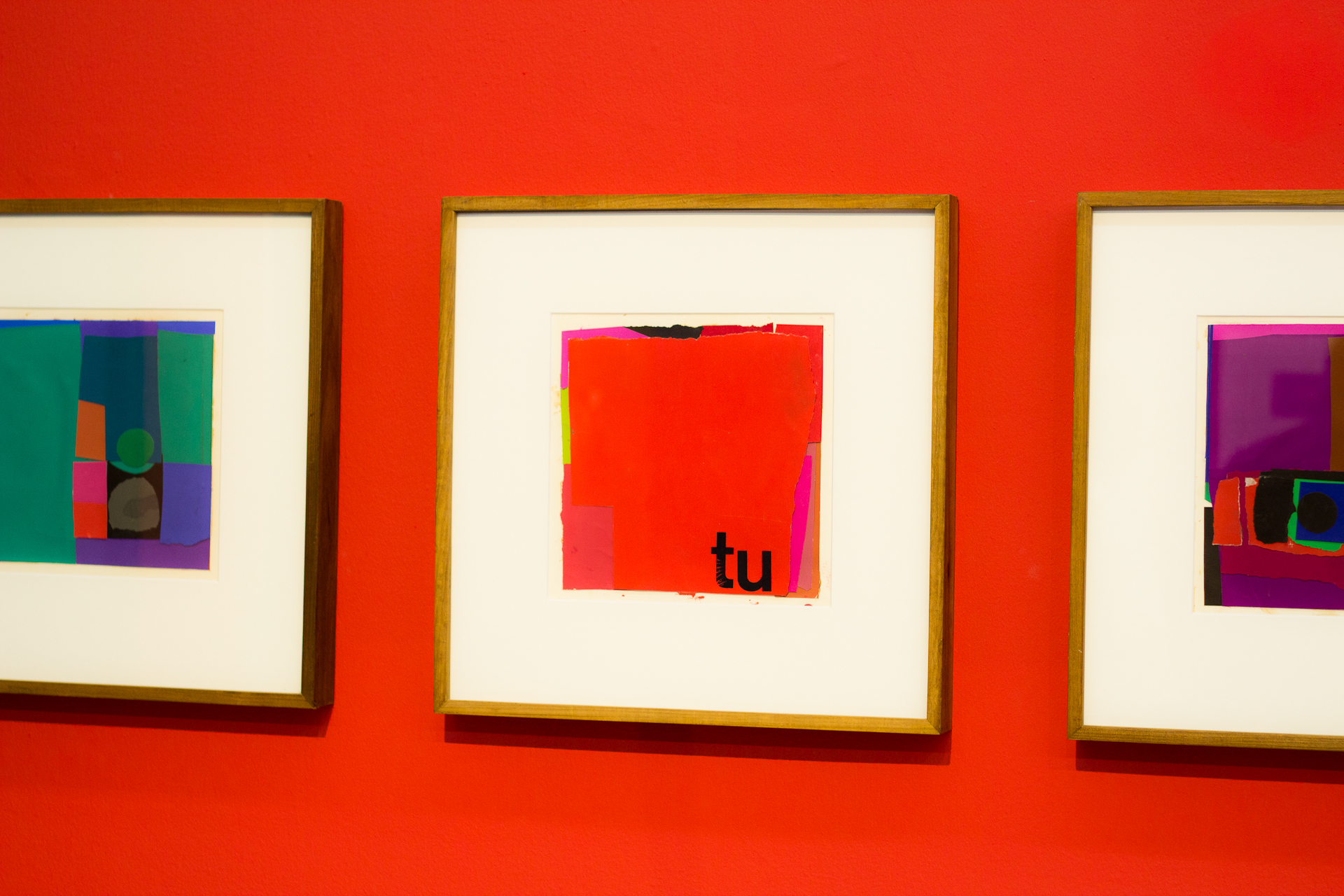
“As a gallery we assumed how we landed that idea in the physical space and that the discourse was not distorted, maintaining their initial idea. Here there are works that are sketches or collage, parallel works of painting and then paintings. There are also works that have to do with civic scale projects, projects that have been carried out and others that have not, but everything is mediated by that intimate work that is collage”, explains Luis Romero, in charge of museography.
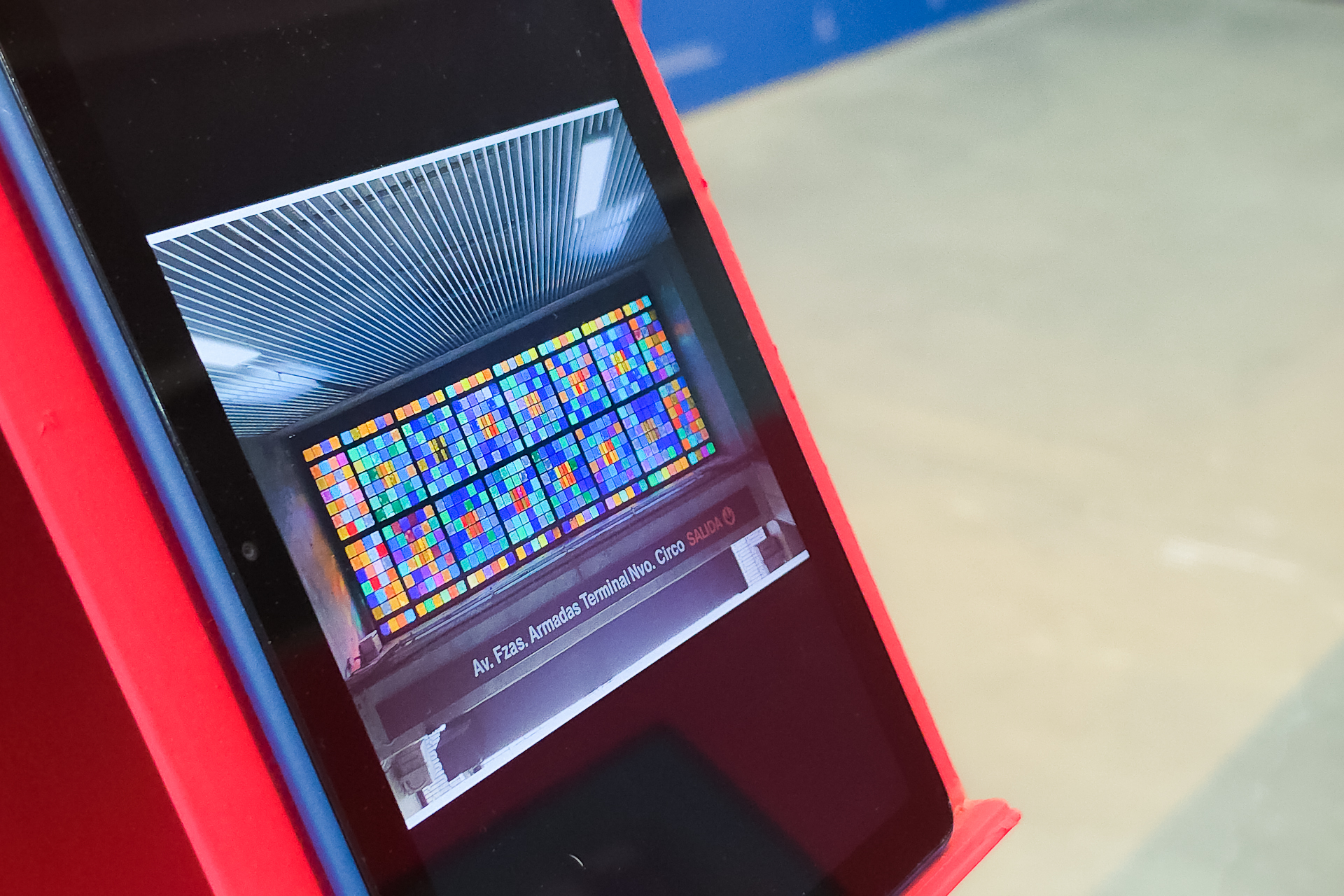
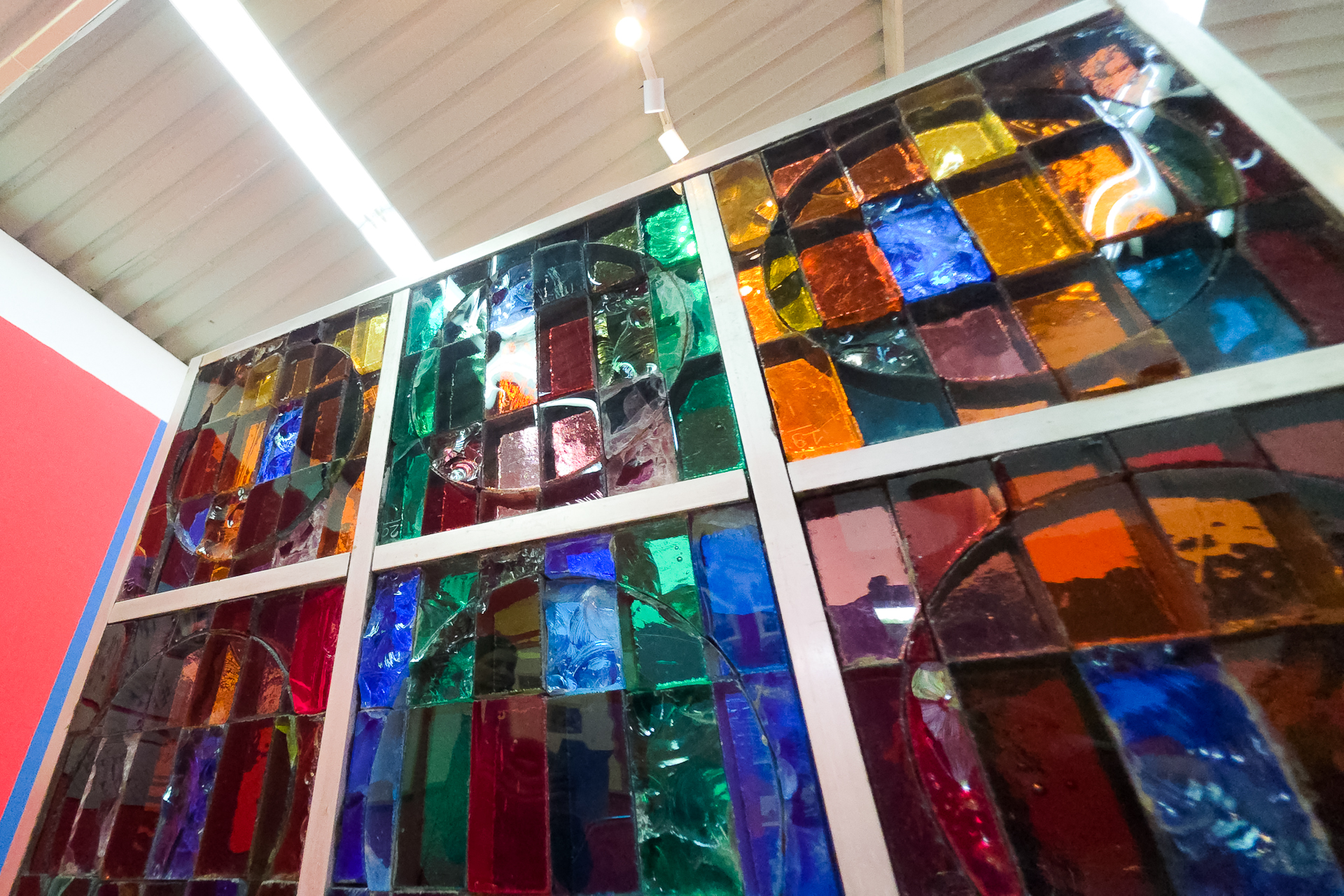
The sample covers different periods of his career: from the first collages made in Paris during the fifties and the compositions of the sixties, to mature pieces such as A Harlequin for Picasso (1989). The selection also includes models for stained glass windows, such as the one projected for the La Hoyada Metro station or the mural of the Nursing School of the Central University of Venezuela.
The challenge of disseminating his legacy
Although Mercedes Pardo is an established figure in the history of Venezuelan art, the organizers agree on the need to approach your work to the new generations. “Although Mercedes Pardo is a well-known artist, she is not as recognized by new generations. On the opening day it was shown that the public connected a lot with the curatorial proposal and with what we want to talk about here, which is an exhibition where the process takes precedence over the work,” adds Romero.
From the Otero Pardo Foundation, her daughter highlights the validity of a plastic proposal characterized by authenticity: “When you are in contact with art, you become a better person. Because art does not admit falsehoods, it always has to be genuine, authentic, true. And that is what happens with Mercedes Pardo, who is a complete, upright, sincere artist, where there is no imposture, but rather she is very open, frank, very much from the bottom of her soul.”
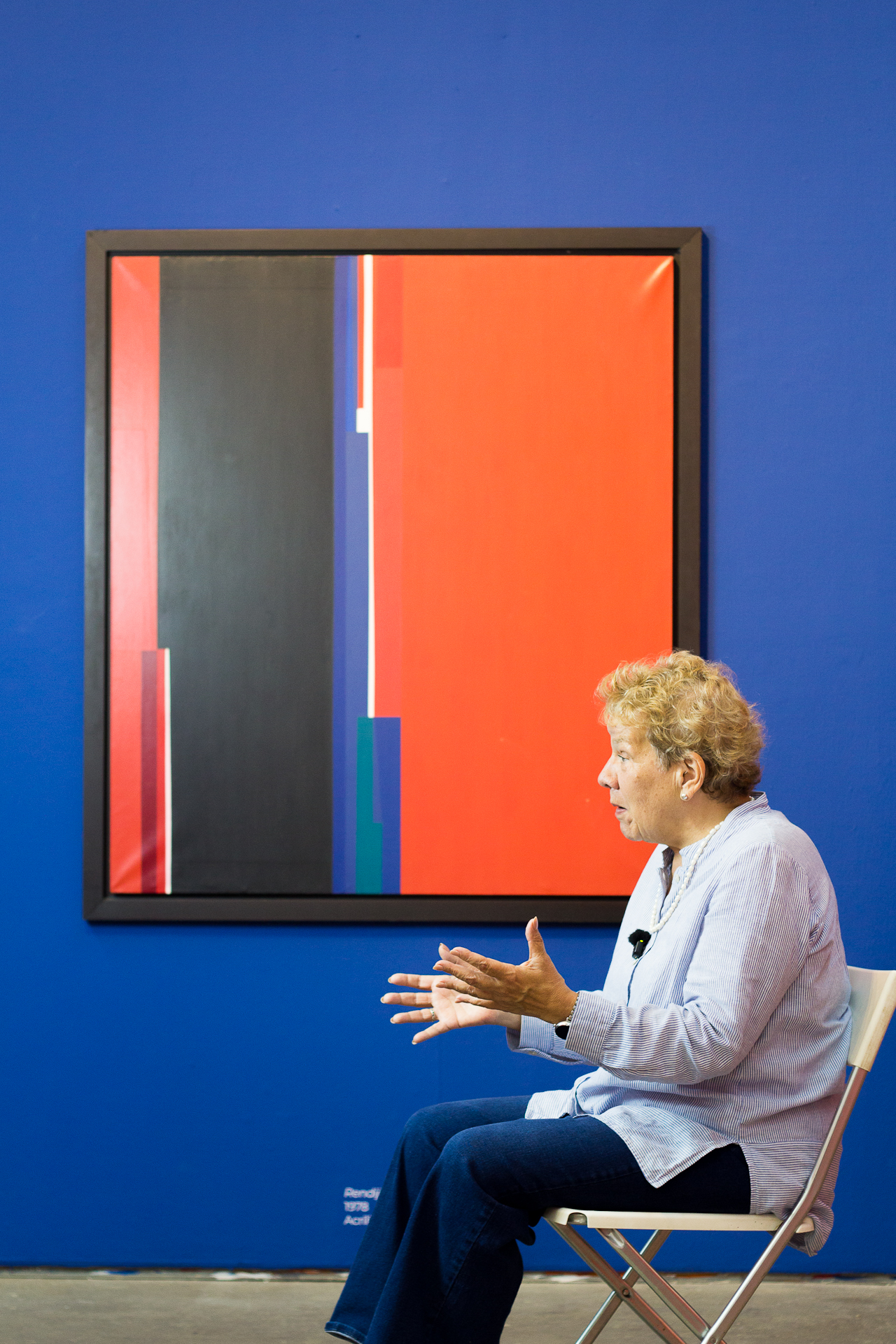
His legacy, he adds, is so broad that they still continue to discover facets of his creative process: “It is a legacy of a extraordinary wealth which also represents an enormous responsibility to convey what it means. I think his work is not known enough yet. We are working on that. I believe that she should reach an important museum as a pioneer and outstanding Latin American artist.”
Otero believes that definitive recognition for her mother is still missing: “She has had important exhibitions, but I think the most important one is still missing, which would be a major retrospective of Mercedes Pardo, either at the Museum of Fine Arts, at the National Art Gallery or an exhibition at an international museum. Or her work could also be entered into a very important collection along with other women of her generation from all over Latin America.”
As a complement to the physical exhibition, the ABRA Gallery disseminates the digital series Revisiones, with texts by Rigel García and Constanza De Rogatis, aimed at analyzing the theoretical dimension of the artist, her vision of color and her contributions to urban and institutional design.
“For us it is important that the memory and those processes that are not known about the artists are revealed. That people can understand that art is not only these finished works, but also the processes of the artists,” Romero commented.
The result is pieces that connect with a more silent and sensitive way of dialoguing with the world, in tune with what Mercedes Pardo herself stated in life: “For me art is revelation. Then that is revealed to me (…) For me what is important is to capture on the canvas a feeling if you want, or an experience of what I care to express.”