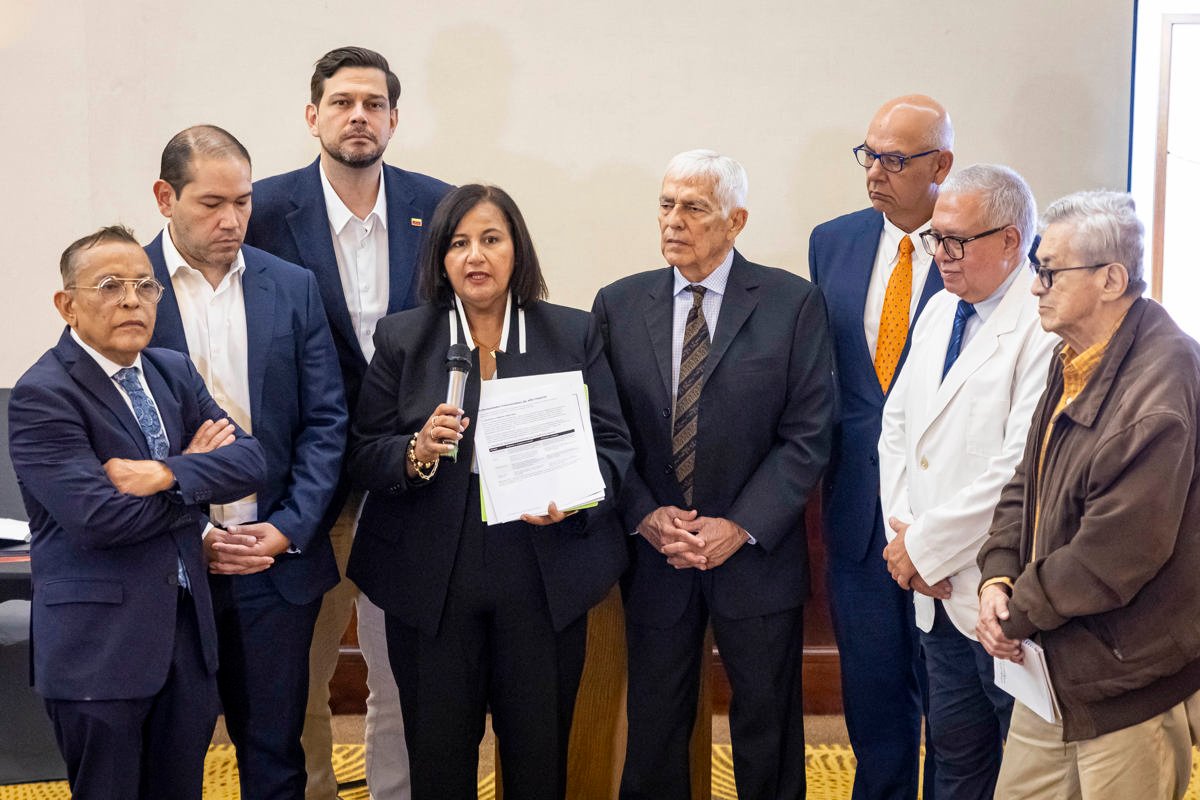
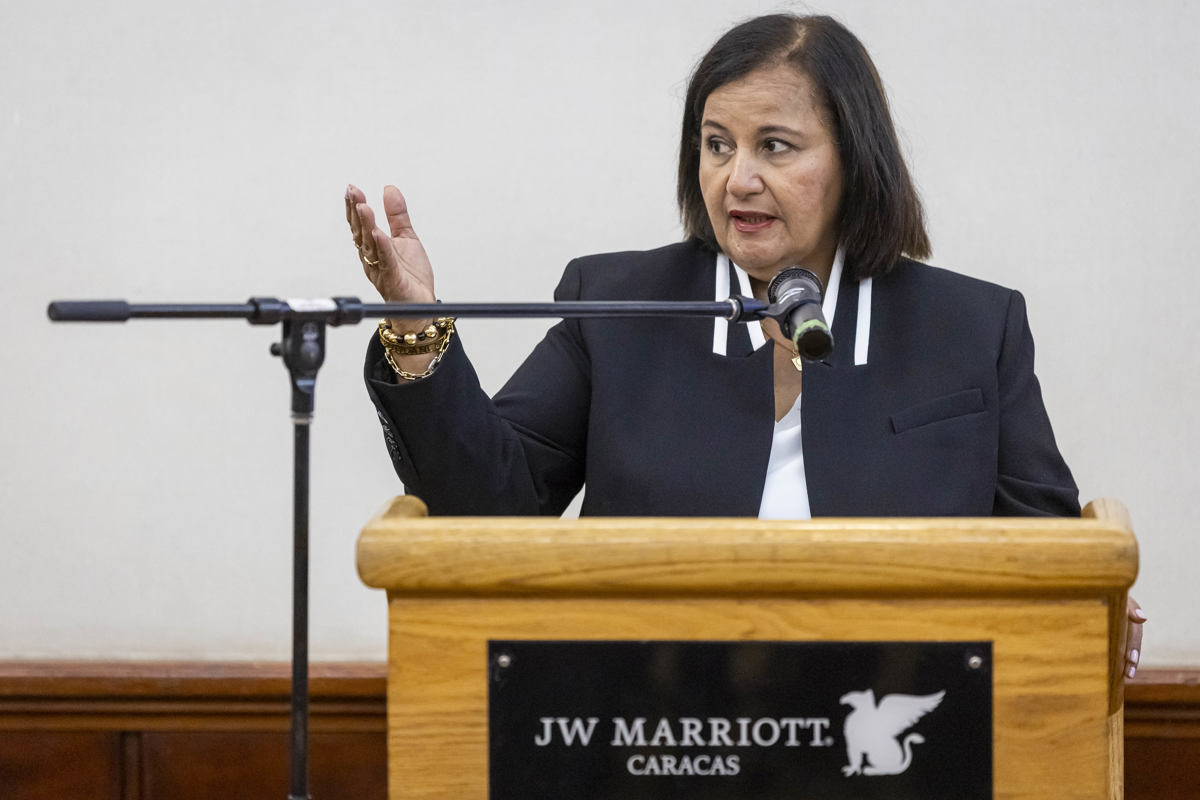
Representatives of the health union in Venezuela they delivered a compendium of proposals to Dinorah Figuerapresident of the National Assembly elected in 2015 and representative of the opposition delegation in the negotiation table. The initiative proposes an emergency roadmap to stop the health crisis, restructure primary care and restore the right to health in the middle of the political negotiation process.
During the meeting, the parliamentarian stressed that health must become the main engine of national reconciliation and called for overcoming ideological differences through high-level dialogue. He stated that your responsibility at the negotiating table It is aimed at the institutional and social reconstruction of the country. He added that the The path of understanding is the only sustainable path to overcome the deep crisis that the nation is going through..
“There is a proposal in the tunnel that aims to generate fundamental changes, translated into coexistence, reconciliation, stabilization and economic recovery. For there to be stable public health, this must be reflected in positive indicators and, finally, in the health of the Venezuelan,” said the deputy.
Support from the health sector
The event was attended by prominent figures in Venezuelan medicine, including the former Minister of Health Rafael Orihuela, the infectologist Julio Castro, the pediatrician Huniades Urbina and the psychiatrist Diego Muñoz. The specialists provided a detailed diagnosis of the priorities of the public health sector.
In the presentation of the document, Dr. Rafael Orihuela explained the need to resolve the financing crisis in hospital centers and reduce the direct expenditure of families for access to chronic treatments.
“The health sector as a general union has been the voice of those who have no voice: the patients. We propose to implement a support system focused on highly prevalent diseases such as diabetes and hypertension. If these pathologies are covered, it would be putting between 200 and 250 dollars a month in the pocket of each Venezuelan. A functional health system cannot exist when the total investment in the sector is less than 8% of the gross domestic product,” said Orihuela.
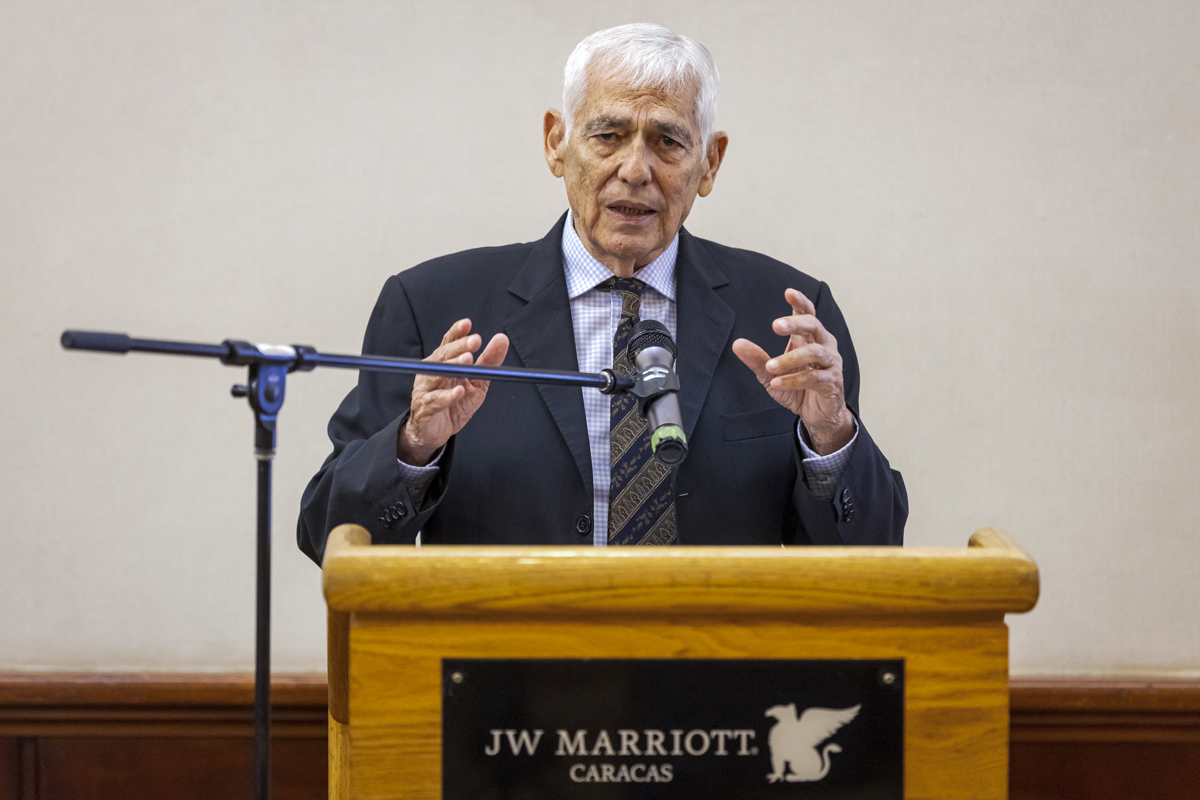
Dr. Diego Muñoz warned about the 80% gap in mental health care in Venezuela and the increase in suicide rates in the last decade. He requested the implementation of primary care programs endorsed by the World Health Organization (WHO).
The technical contributions presented by doctors Julio Castro and Huniades Urbina complemented the comprehensive proposal that the negotiating delegation will submit to the corresponding authorities.
Direct proposal to Jorge Rodríguez
The parliamentarian announced that in her conversations with the president of the 2020 National Assembly, Jorge Rodríguez, she urged him to put collective well-being above partisan positions.
“I have asked representatives of the ruling party like Jorge Rodríguez: ‘You are a doctor, I am a doctor; We are going to cure Venezuela and address the health sector as a problem for all Venezuelans.’ In this leading route that destiny has assigned to us two doctors with different visions of the country, it is time to put differences aside. We must promise the country that there will never again be a lack of timely food, a vaccine for a child or medicines and treatments for the population,” said Figuera.
The leader stressed that she will assume the commitment to deliver to Rodríguez the list of technical proposals prepared by the specialists and demand that State agencies open the necessary spaces for health professionals to actively participate in the recovery of the health system.
The “first stone” towards reconciliation and transition
In the face of criticism of the negotiation process, Figuera firmly defended the urgency of building bridges of understanding between opposing sectors, and ruled out abandoning dialogue despite the political tensions in the country.
“It is a great responsibility to build a process at a dialogue table between sectors with opposing ideologies. At the time, many did not want to sit down or look each other in the face in the face of threats such as the loss of nationality or criminal prosecution. Given this, it is worth asking: Who lays the first stone to build that necessary bridge between the parties? I deeply believe in reconciliation and democratic transition processes. Without a doubt, reconciliation should never be based on impunity; There has to be justice. However, I ask all of us to lay that first stone,” urged the parliamentarian.
He confessed that recently a colleague suggested that he get up from the dialogue table until all political prisoners are released.
“I responded that I cannot abandon the dialogue; my presence may be dispensable, but the negotiation table is not. It is one of the few opportunities we have to achieve a point of change in the country. At this table we seek a roadmap to transform the Supreme Court of Justice, renew the National Electoral Council, eliminate disqualifications and guarantee civil and political rights”, he pointed out.
Key meeting with Marco Rubio
The 2015 Parliament president referred to her recent meetings abroad. He highlighted the conversations in Washington with the head of the North American State Department, Marco Rubio.
“In meetings with representatives of the State Department, such as Marco Rubio, the need to overcome the country’s traumas has been expressed, move towards a prosperous electoral process and restore democratic institutions”, detailed Figuera.
He stressed that the validity of democratic guarantees is essential to protect medical work and put an end to the criminalization of professional practice in the country.
“I defend the reunion in a scenario of respect for differences, where civil and political guarantees allow the free exercise of medicine without fear that a professional will be imprisoned for caring for a patient or expressing his or her vision of public health. I raise the flags of faith, hope and responsibility to rebuild and increase public health indicators,” he said.