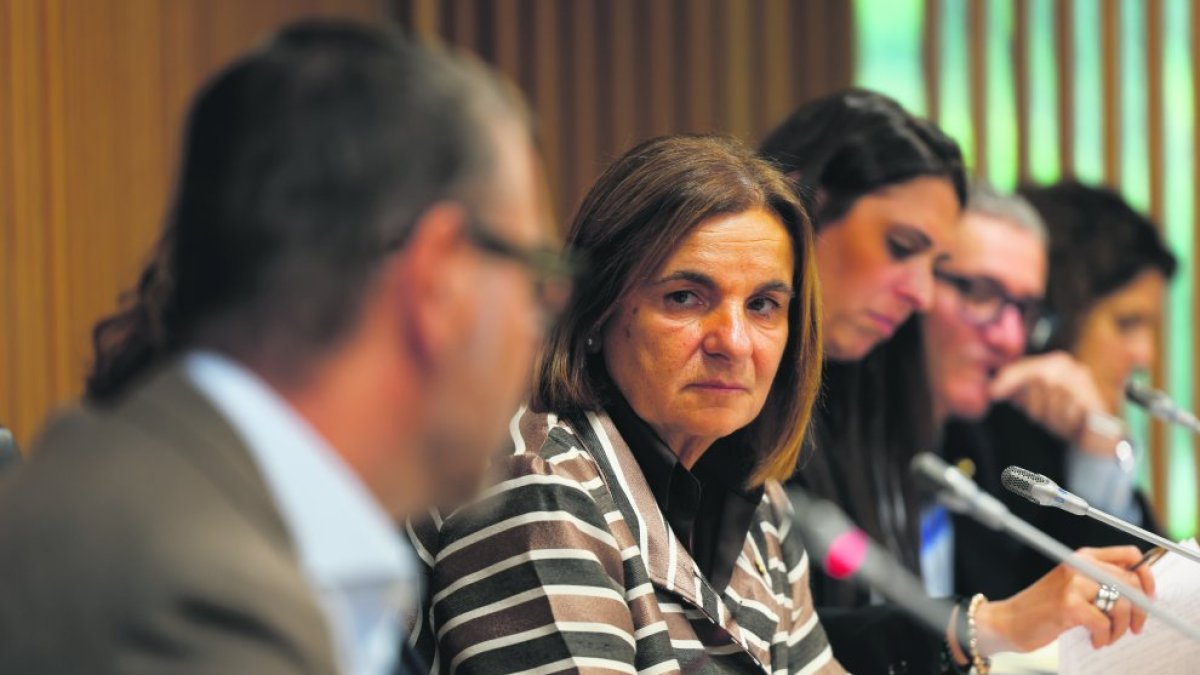
The Government admits that there is currently 91 people on the waiting list to access an arranged residential place in the country, according to the written answer to the questions posed by the social democratic councilor general Laia Moliné about thepopulation agingpublished this Monday at Bulletin of the General Council.

According to the data provided by the executive, on June 25 there were 91 applications pendingof which 76 correspond to people with serious or very serious dependence (GDA3 and GDA4) i 15 to people with total dependency (GDA5). While waiting for an arranged place, 40 people are admitted to private centersfive occupy respite positions, six remain hospitalized atOur Lady of Meritxell Hospital i 40 remain at home with support resources, such as day centers or the home care service.
The Government figures in six months the average waiting time to get a place residential, although he points out that this period depends on the vacancies that are gradually generated in the centres. On the other hand, he assures that there is currently no waiting list either to access the day centers or the home care service.
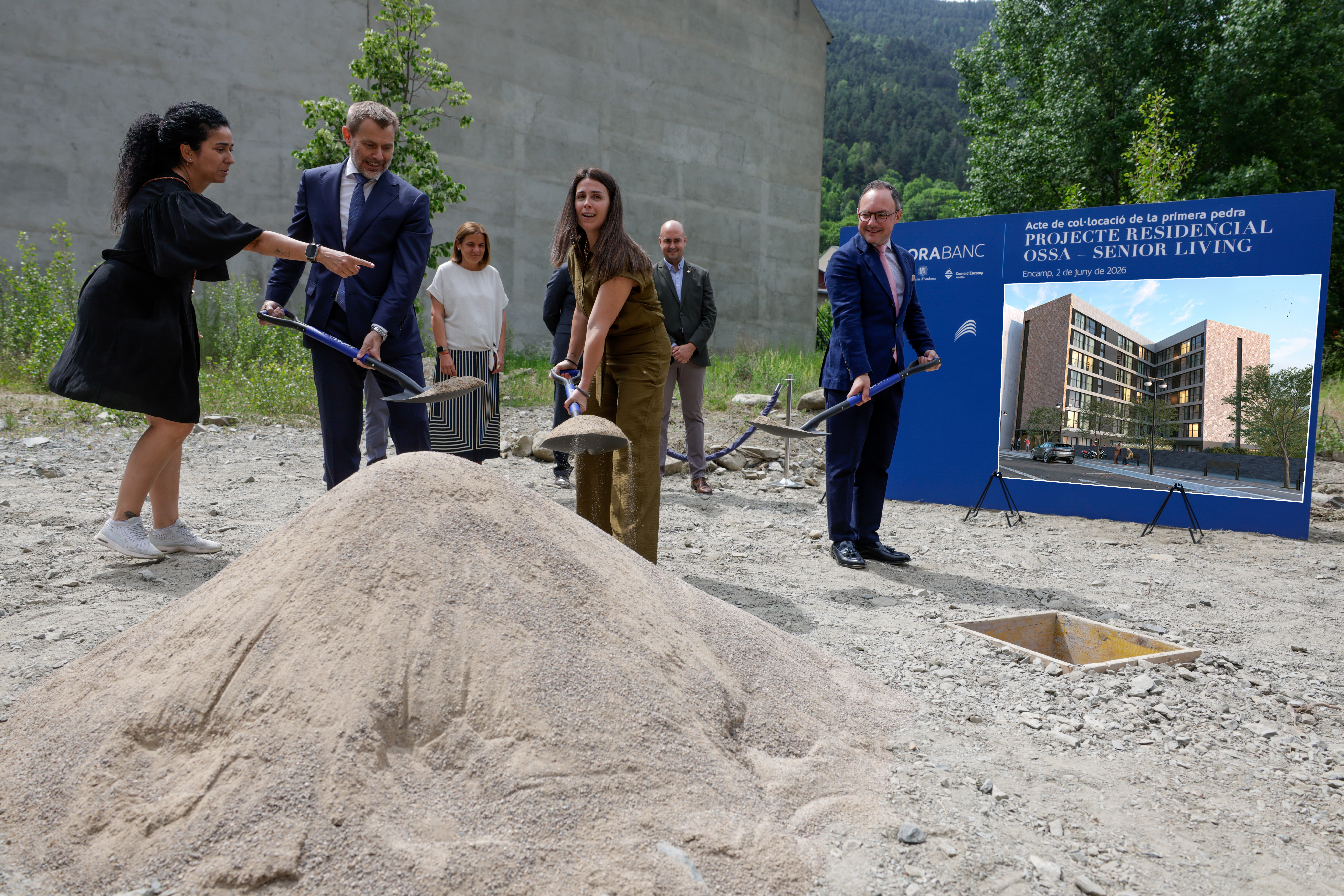
Regarding the available resources, the Principality has 378 24-hour residential places. The plan is to expand this offer with the future socio-health residence ofEncampwhich will incorporate 120 new residential places. At the same time, the Government also plans to increase the housing with services up to 94 floors, thanks to the projects planned in Sant Julià de Lòria and the renovation of the old hotel James I of Andorra la Vellawhich would allow reaching a 498 social and health places. The executive adds that he works with the commons of the Valleys of the North for expand residential resources and daytime attention towards the horizons 2035 and 2040.
In the parliamentary response, the Government also explains that it prioritizes older people being able to stay at home for as long as possible. In this sense, it indicates that the home care service currently serves 262 monthly userswhile the Red Cross has activated 774 teleassistance services. It also highlights the deployment of the Radars project and the study of new advanced teleassistance tools and fall sensors.
On the other hand, the administration recognizes that there are no mandatory minimum ratios of care staff in the country’s socio-health centers. However, he points out that the recently created Sociosanitary Monitoring Commission (COSS) has set up a working table to study the establishment of these ratios, review workloads and analyze the necessary professional profiles. Likewise, it states that it does not have a centralized register on the ratios of nurses and technicians in auxiliary nursing care (TCAI) nor data on how many professionals have left the sector during the last five years.
Finally, the Government admits that the cost of housing and the high cost of living make it difficult to recruit and retain social and health personnel, especially among professionals who have to move around the country, although it maintains that this problem is also conditioned by factors such as working conditions, the organization of shifts or the competition of the local labor markets.