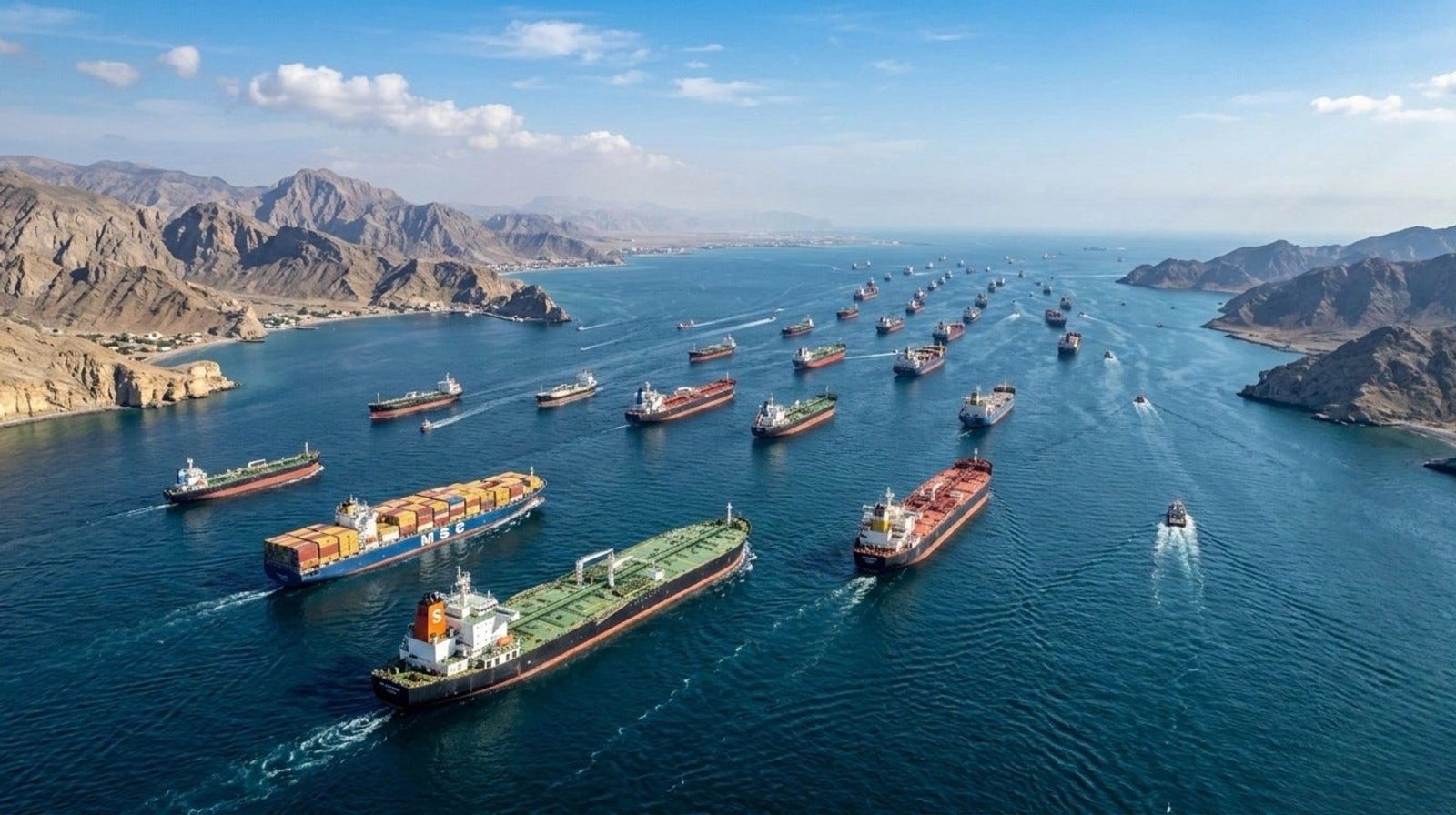
The news about the resumption of shipping through the Strait of Hormuz is encouraging, but it is not known how it will happen in practice and there are factors that “do not dispel the fog of uncertainty.”
About this writes Guardian.
Today’s news of the resumption of passage through the Strait of Hormuz gives “some, albeit cautious, hope to the global maritime community,” Thomas Kazakos, secretary general of the International Chamber of Shipping, told the paper.
At the same time, he said, while the announcement is a positive step, there is still a lot of uncertainty about what it means in practice.
It is important that this is the beginning of a wider and longer return of shipping, he noted.
Orderly and sustainable restoration of normal transit through
strait will require close coordination between
by the International Maritime Organization, regional states, naval authorities and the shipping industry to ensure the safe transit of vessels.
It is extremely important that all parties observe full freedom of navigation in accordance with international law, he stressed.
Iran said the vessels would have to follow a designated route, which shipping analysts describe as a shallow route near Larak Island and the Iranian coast.
“Given the experience of the ‘tanker wars’ that characterized Iran’s eight-year war with Iraq in the 1980s, Tehran clearly provided somewhat less than the freedom of navigation that existed in the strait before the start of the current conflict on February 28,” the publication said.
The Guardian writes that “adding to the confusion was a threat from an unnamed Iranian official who, according to the semi-official Fars news agency, threatened to close the waterway again if the US continued its naval blockade of ships entering and leaving the strait.”
For its part, the US Navy issued an advisory to sailors about the dangers posed by Iranian mines, which did not inspire confidence and did not dispel the fog of uncertainty, the publication noted.
We will remind:
Iran statedwhich opened the blocked Strait of Hormuz. The passage for all merchant vessels is declared fully open for the remaining time until the end of the cease-fire, following the agreed route already announced by the Iran Ports and Maritime Transport Organization.
Crude oil prices fell below $90 a barrel after news that Iran had opened the Strait of Hormuz, through which significant volumes of world oil pass.
April 12, US President Donald Trump statedthat the country will begin blocking vessels in the Strait of Hormuz and detain every vessel that has paid the toll to Iran.
On April 14, three vessels entering Iranian ports have passed through the Strait of Hormuz, testing the US blockade.