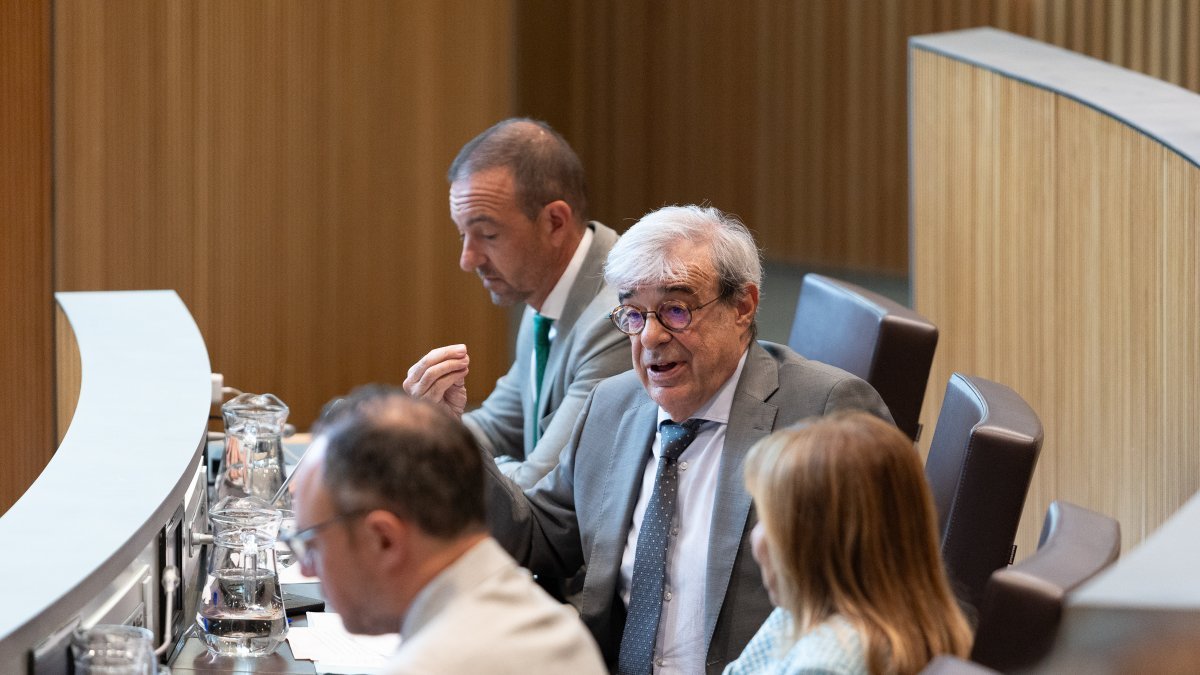

The decriminalization of abortion reaches the final stretch of the legislature without a concrete proposal or a timetable. The Government defends that the dialogue with the Holy See remains open, but the opposition complains that the dossier has not yet resulted in any reform after decades of talking about the issue.
The debate took place during the amendment reserve of the P.S which he intended to take from the Penal Code the woman and the doctor, which was rejected with the dissenting vote ofAndorra Go ahead and the majority, as well as the abstention of concord. Ladislaus Baronhowever, defended continuing with the government strategy. The minister recognized that the scenario has become complicated and that, from the change of Dad, “a much more cautious attitude” was detected in the conversations regarding what had happened during the papacy of Francis. Even so, he refused to speak of immobility and assured that “there are small and big advances”, but that work is being done constantly. In this sense, baron he recalled that the position of the Holy See was more closed in 2014 and that the pontificate of Pope Francis it opened new perspectives and paths, but which have now cooled. “We were sailing with a boat following the light of a lighthouse and now the light has gone out”, he exemplified.
“We were sailing with a ship following the light of a lighthouse and now the light has gone out”
The minister, therefore, did not specify when the process would end or when a proposal would arrive, but he did warn that the amendment reserve of the P.S could place the co-principality “in a phase of very relevant turbulence”. Susanna Vela, president of the social democratic groupaccused the Government to prolong an issue that has been pending for decades. “Postponing a decision is making a decision”, he said, because women continue to have to leave the country to terminate their pregnancies. sailing defended that “it is not about imposing a decision, but not imposing one”, and he questioned that all the initiatives of the opposition are presented as a threat to the co-principality to not have to consider them.
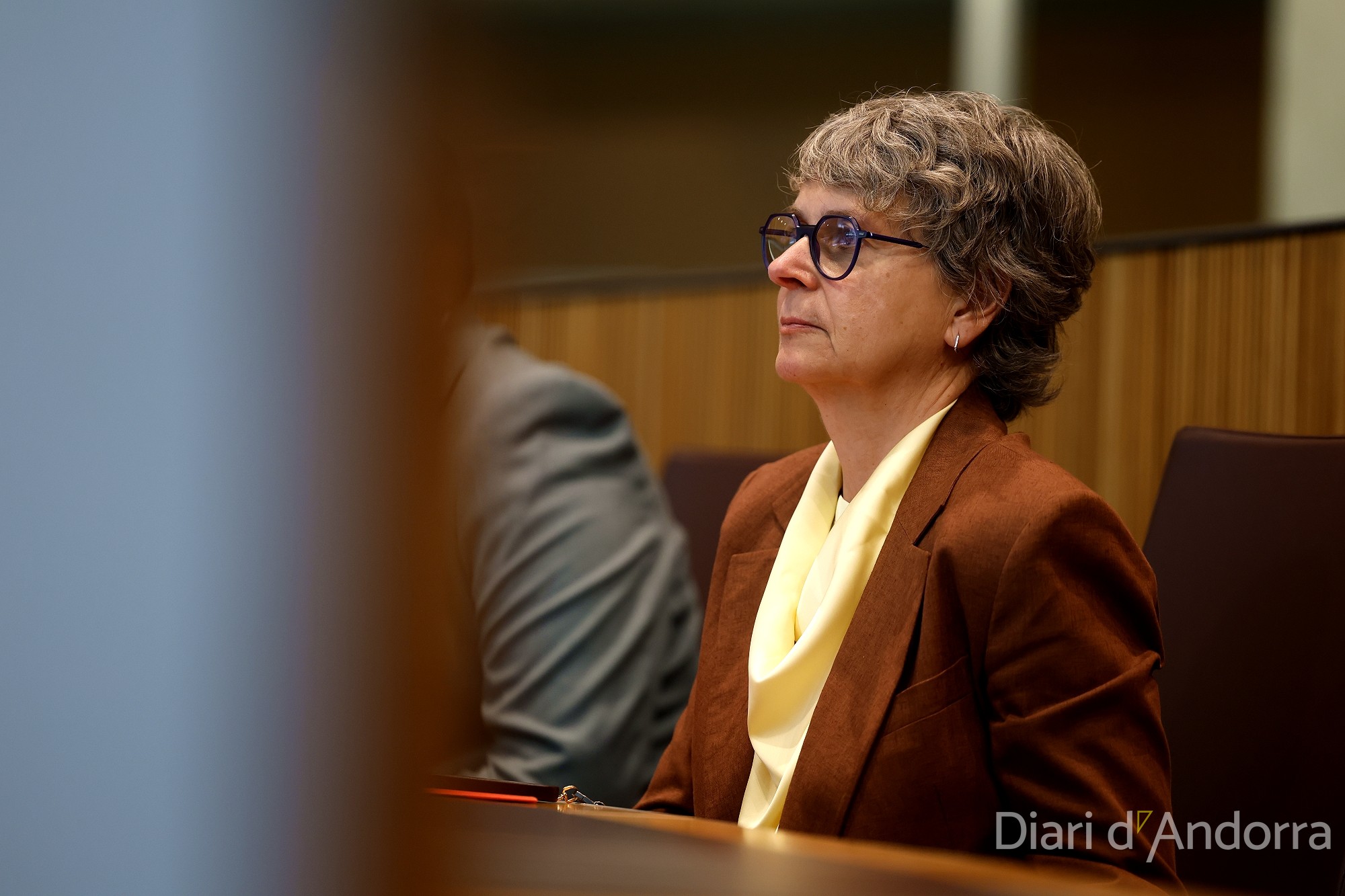
concord also pressured the executive. Núria Segués he recalled that for three years – which the minister has been exercising – “discretion and patience” has been requested, and he asked: “Three years of negotiations, and what have we obtained?” He demanded more information and warned that “the worst scenario is to leave the debate suspended”. “Women’s rights cannot continue to wait”, he concluded, accusing the Government of, if a few months ago there was an open door, not having taken advantage of it.
Carine Montanerfor his part, put institutional stability ahead of any debate and remarked that “if we look at reality, there is no woman in prison for having an abortion and no doctor for having helped her”, remarking that women can go outsideAndorra to do so and that until the ninth week there are abortifacient pills and that, therefore, “it’s not a problem”.

UNANIMITY TO THE GENERAL COUNCIL TO REFORM THE PENAL CODE
The debate included a small clash between Molné i Núria Seguésin which the co-president of concord he criticized that many proposals that have been approved he already presented them concord months ago and that, luckily, the final text that came out of the advice it was better than the Government. In response, Molné he agreed that the text was better than the initial one, but that, nevertheless, “what is certain is that it is better than what he presented concord“.
REINFORCEMENT OF REINSERTATION AND GUARANTEES OF PRISONERS
The General Council approved yesterday by assent a reform of the prison legislation, which strengthens the reinsertion and guarantees of the inmates. The text abolishes the deprivation of calls as a penalty, limits the isolation of minors and regulates involuntary treatments with medical and judicial control. It also eliminates social alarm as a reason for provisional imprisonment, reduces the terms of preventive detention and facilitates access to parole and parole. Ester Molné defended that the reform modernizes the system, while the P.S i concord they assessed the consensus reached. The chamber voted in favor of it.