Malaria cases reported in Europe are almost always imported and associated with travel to endemic areas. We remind you that one of the most common causes of illness is non-observance of prophylaxis: prophylactic drugs are not used or used incorrectly, as well as insufficient protection against mosquito bites.
“Malaria does not spread locally in Lithuania, but every imported case reminds us that traveling to risk countries without proper preparation can result in very serious consequences – this disease remains dangerous and can cause death,” Aušra Bartulienė, chief specialist of the Infectious Diseases Management Department, says in a press release.
Imported malaria cases are registered
Malaria is one of the oldest and most common tropical diseases in the world. Transmitted via Anopheles mosquito bites in which the parasite Plasmodium spp. enters the human body and causes infection.
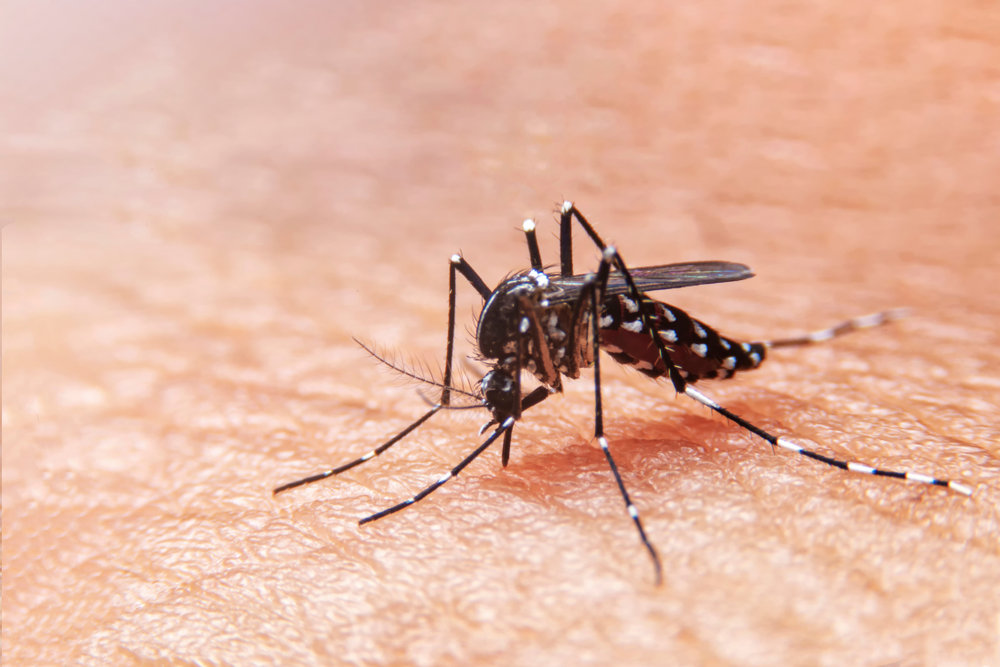
Shutterstock photo/The mosquito that spreads malaria
The last cases of local malaria in Lithuania were registered in 1956, but imported cases of the disease are detected every year. 2016-2025 during the period, a total of 62 cases of malaria were registered, of which three resulted in death. The most cases were recorded in 2023. (11 cases).
According to NVSC, 10 cases of imported malaria were registered in Lithuania last year: in Vilnius (5), Kaunas (3), Klaipėda (1) and Telšiai (1) counties.
The most important thing is prevention
One of the most important ways to prevent malaria is awareness. It is very important to know in which countries this disease is common and how to protect yourself from it.
Malaria is widespread in tropical and subtropical regions of Africa, Asia and Latin America. According to WHO data, in 2024 about 282 million registered in the world. of malaria cases. About 610,000 people die from this disease every year. people, the largest part of which are children under the age of 5 – about 75 percent. of all deaths. The highest burden of the disease falls on the African region, where about 94 percent of the cases are found. of all malaria cases and 95 percent deaths. Despite progress, malaria remains one of the world’s greatest public health problems, with incidence even increasing in recent years.
Spreading malaria agents Anopheles mosquitoes tend to feed in the dark, before sunrise. Therefore, it is recommended to use mosquito repellants (repellents) in the evenings and at night, wear light clothes that cover as much of the body as possible wrap clothes, beds with insecticide-impregnated nets. Antimalarial drugs protect against malaria. Therefore, before traveling to exotic countries, it is necessary to consult a doctor and follow his instructions.
“The most effective protection is ensured only by regular use of medication before, during and after the trip and protection against mosquito bites. One-time or irregular use of preparations does not provide reliable protection,” emphasizes the specialist.

Shutterstock photo/Hospital
Both during the trip and after returning, it is necessary to monitor your health. If you feel the symptoms of the disease – fever, chills, headache or muscle pain, weakness – you should immediately consult a doctor. It is important to know that the disease can appear even a year after the trip, so it is necessary to inform the doctor about visiting a malaria risk zone during the visit.
It is possible to check in which countries there is a risk of contracting malaria here.