Pharmacist Vakare Jokubaitytė-Tunkevičienė of the pharmacy chain “Camelia” says that the earlier the first signs are recognized, the more opportunities there are to slow down the course of the disease and avoid complications, it is written in a press release.
“Varicose veins develop when, due to impaired blood flow, the walls of the veins lose their elasticity, stretch and expand. A common mistake is to wait until visibly enlarged veins appear on the legs and only then start looking for help,” says pharmacist V. Jokubaitytė-Tunkevičienė.
The disease does not start with prominent veins
According to the pharmacist, the first signs of varicose veins are usually minor and usually manifest as discomfort in the legs. Heaviness, stretching, fatigue may be felt, especially in the evening, ankles may swell, itching or night cramps may occur.
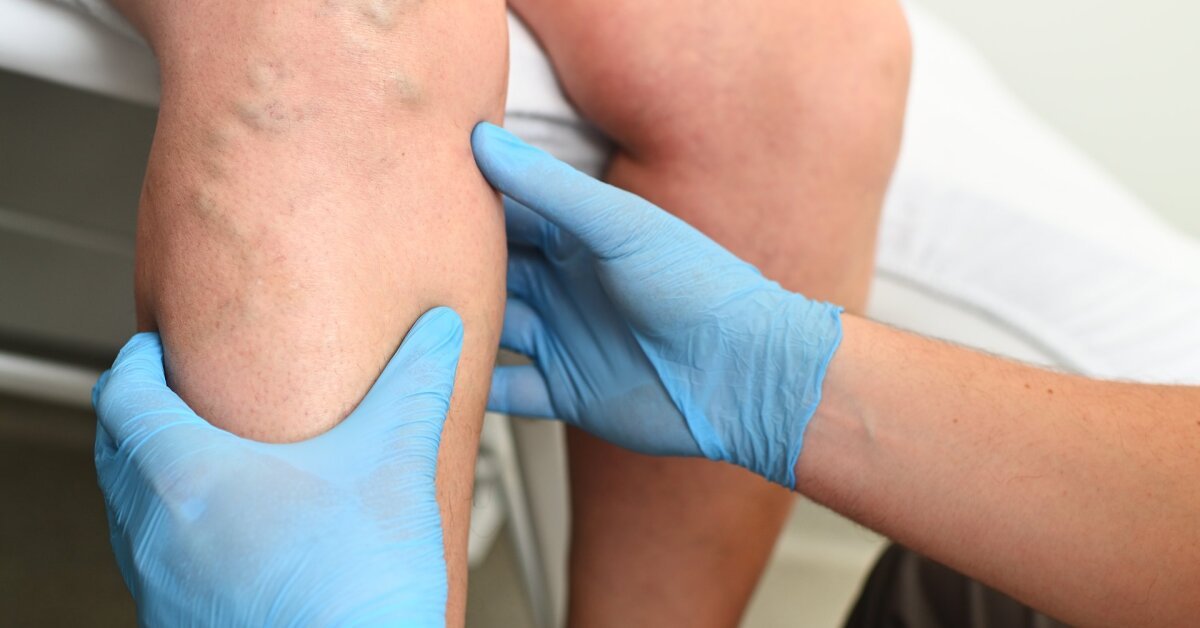
“Varicose veins are divided into six stages. In the first stages, changes eventually appear and are visible – fine capillary networks or surface veins. Even later, larger vein nodes appear, swelling of the legs becomes more frequent, and as the disease progresses, skin changes may also occur. The skin on the lower legs may become drier, thinner, more sensitive, pigmentation changes may appear, and in advanced cases, even difficult-to-heal wounds,” says V. Jokubaitytė-Tunkevičienė.
She adds that the first symptoms of varicose veins often appear in people aged 25-40, but age is not the only factor affecting the development of the disease. The risk is increased by heredity, long standing or sitting work, low physical activity, overweight and the habit of being in one position for a long time.
“Women can be additionally affected by hormonal changes, such as pregnancy or menopause, so this problem is diagnosed more often for them. However, a significant number of men also experience varicose veins, but due to symptoms that are less often noticed or ignored for longer, they often seek help after the disease has advanced,” says the pharmacist.
Shutterstock photo/Menopause
In the early stages, what we do every day is very important
The pharmacist emphasizes that the management of varicose veins depends on the stage of the disease. In the early stages, you can most effectively slow down the progression of the disease and improve your well-being, and one of the most important things is regular movement.
“When the functioning of the venous valves is impaired, the blood begins to flow in an irregular direction and accumulate in the superficial veins of the legs, resulting in greater pressure on the vein walls. When moving, the calf muscles work, which help the venous blood to return upwards more easily, so sitting or standing for a long time is not favorable for the veins. That is why it is recommended to walk more often, take breaks during work and avoid prolonged immobility,” explains the pharmacist.
According to V. Jokubaitytė-Tunkevičienė, elevating your legs in the evening after the day’s exertion can also contribute to the improvement of well-being, as well as being more careful with heat, as hot baths, saunas or prolonged heating can make the symptoms even worse for some people.
“A balanced diet also plays an important role. Certain vitamins and biologically active substances contribute to maintaining the condition of blood vessels. For example, vitamin C is important for the synthesis of collagen and therefore contributes to the strength of blood vessel walls, vitamin E acts as an antioxidant and helps protect cells from damage, and bioflavonoids can help strengthen the tone of veins. Vitamin K is also important, which is related to blood clotting processes, and vitamin D, which is important for the general health of blood vessels,” says the pharmacist.

Shutterstock photo/Vitamin D
When the symptoms are already evident, how to relieve them?
When varicose veins already cause noticeable discomfort, one of the most recommended solutions is compression therapy. Special compression socks or tights help reduce venous congestion, improve blood return from the legs and can relieve swelling, heaviness and stretching. However, the pharmacist emphasizes that compresses are effective only when they are chosen correctly.
“A common mistake is to think that it is enough to buy any tighter socks. It is really important to assess what level of compression is needed, when to wear them and how to put them on correctly. An improperly chosen product may not be effective, so it is recommended to consult a doctor or pharmacist,” explains the pharmacist.
According to her, with symptoms of varicose veins, some people may also benefit from oral venotonics to help reduce leg heaviness, swelling, discomfort or night cramps.
“One of the more frequently used active substances is diosmin. In some cases, local gels or ointments are also chosen, for example with heparin or a cooling effect, which can temporarily relieve the feeling of stretching or heaviness. However, it is important to understand that such measures do not eliminate the cause of vein disease itself, but help control the symptoms,” explains V. Jokubaitytė-Tunkevičienė.
The pharmacist warns that it is important to consult a doctor immediately if the legs start to swell more, there is severe pain, redness, heat, bleeding or skin lesions. Such signs may indicate complications, so they should be taken extremely seriously. In some cases, a vascular surgeon’s evaluation or surgical treatment may also be necessary, which in Lithuania, in the presence of medical indications, may be paid for by the patient’s coffers.