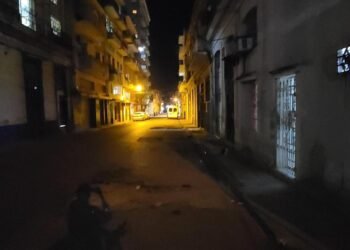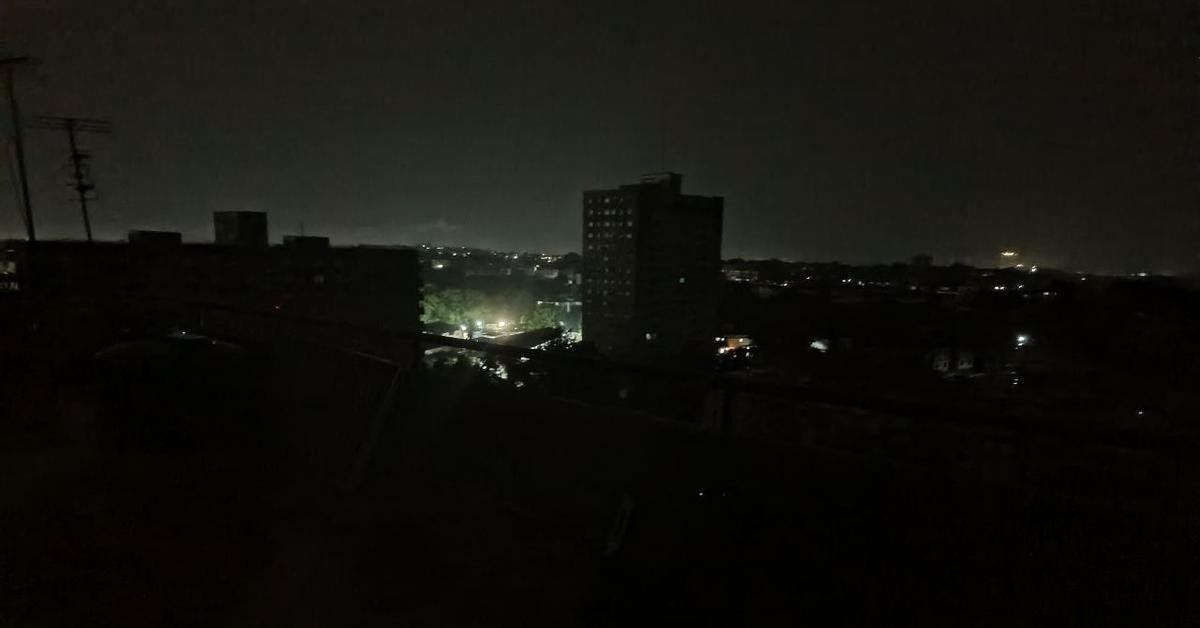
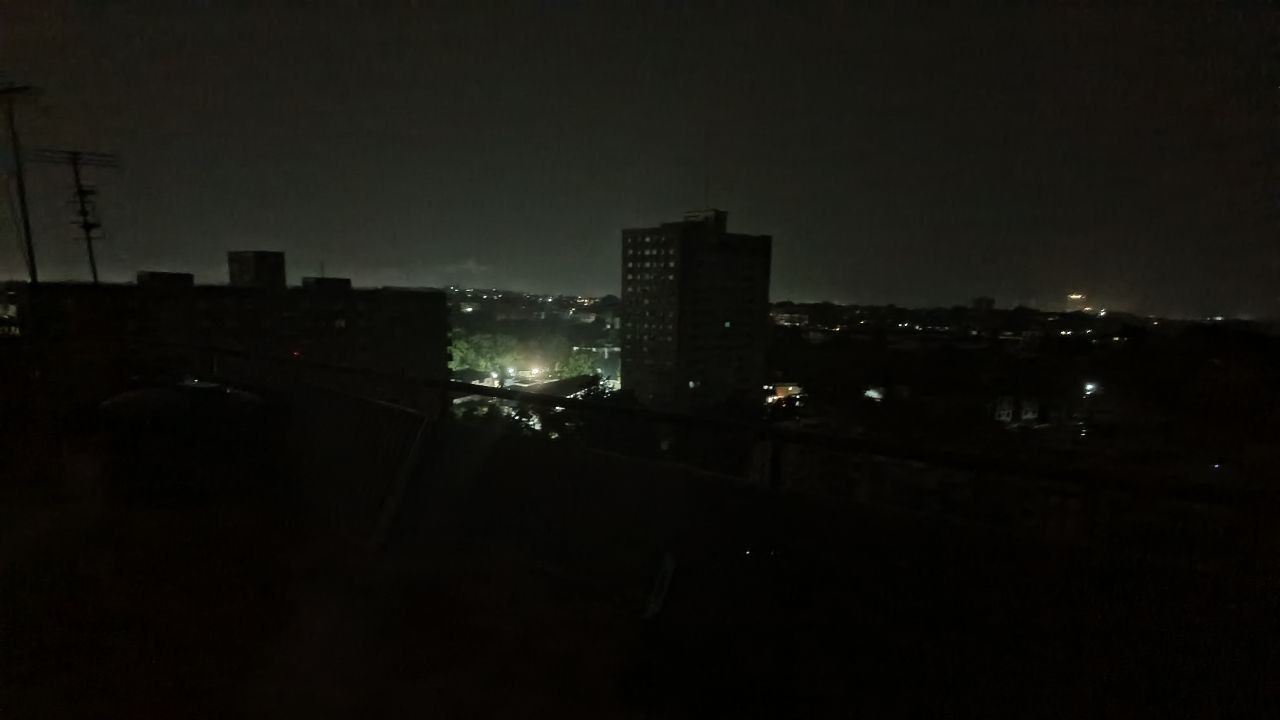
Havana/During that time, this area of tall buildings was suspended in a kind of parenthesis. Saturday ceased to be Saturday and became “the entire day without current.” Sunday began as “the second morning without electricity” and ended, finally, with the return of electricity.
The sad thing is that we have learned to measure the absence of current with a precision that we do not apply to almost anything else. We don’t know how many hours we waste waiting for a bus, how much time we have spent looking for medicine or how many days of our lives we have spent waiting in lines. But we can say, without hesitation, that we have been without electricity service for 18 hours and 43 minutes.
We have also developed a strange hierarchy of suffering. Those who have been without electricity for 12 hours listen with some embarrassment to those who have spent 24 hours. Those who have spent 30 hours seem to have the right to interrupt any conversation. And someone always appears, from another province, like Matanzas, willing to remind us that ours is still nothing, because they have been there for more than 70.
Each activity depends on an intangible authorization that is granted when the current arrives and is revoked with its next disappearance
Electricity ends up taking up more space in our heads when it is missing than when it is present. Furthermore, the blackout robs us of the possibility of improvising. We can no longer freely decide when to read, cook, work or simply do nothing. Each activity depends on an intangible authorization that is granted when the current arrives and is revoked with its next disappearance.
That’s why, this morning, when the light finally came back on, I didn’t exactly feel relief, but urgency. I had to charge the batteries, wash, advance everything that needed energy, take advantage of every watt and anticipate the next blackout. I looked at the clock that only my neighbors and I could see: 37 hours and 19 minutes had passed.
I got ready to start counting again.