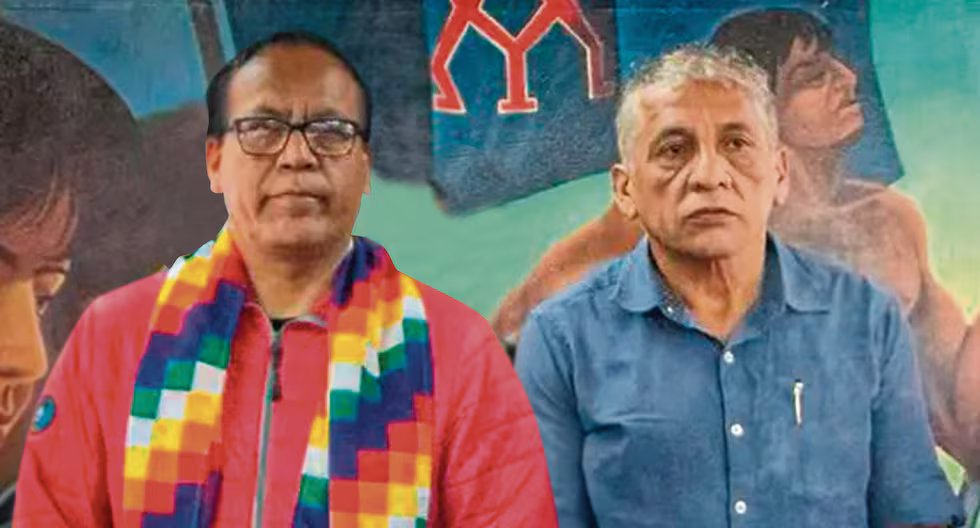

Memory is short in politics, but the videos don’t lie. For weeks, the murderer Antauro Humala walked alongside Roberto Sánchez as a campaign asset: he was at the electoral closing of Together for Peru on April 8, he was presented as the one who would lead the fight against crime in an eventual government and he was even greeted by Sánchez himself as part of “the nationalist forces” that walk with the party. Today, faced with a possible second round, that same party calls him “just a companion” and denies any formal alliance.
Antauro Humala is sentenced to 25 years in prison – reduced to 19 on appeal – for the crimes of aggravated homicide, kidnapping, rebellion and theft of weapons in the so-called ‘andahuaylazo’ of January 2005, in which four police officers died. He is also the one who publicly calls for the execution of former presidents convicted of corruption, including his own brother Ollanta. His party was banned by the Judiciary precisely for reasons linked to these positions. And he is the same man who, in a recent interview, described the terrorist group Sendero Luminoso as “the most consistent” of the Peruvian left.
When asked about Antauro Humala, Sánchez responded that he “respects” his ideas, although he does not fully share them, and that anyone who has served their sentence has the right to participate in politics. The response, however, only demonstrates the naturalness with which the candidate has lived with that bond until he became an electoral liability. The demarcation not only arrives late: it arrives by calculation, just after the first second round polls began to indicate the cost of that closeness.
But the problem does not end with Humala. The political platform of Together for Peru is built on the unrestricted defense of the coup leader Pedro Castillo. Those who close ranks around Castillo and celebrate the ‘andahuaylazo’ share something more than an electoral preference: they share a disastrous conception of politics in which institutionality is negotiable and violence, at the very least, justifiable.
What Sánchez showed during the first round campaign is what it is. That today he wants to hide Antauro Humala under the rug does not erase the photos, the videos, the words and the closeness they have had. The voter has the right to know who Sánchez’s allies are and what they think before deciding, and should not fall into that convenient strategy of forgetting and distancing. Voting for Sánchez is also voting for the murderer Antauro Humala.