Forty years ago, at dawn on April 26, 1986, Chernobyl nuclear power plant personnel were conducting a planned safety test in Unit 4 when the RBMK reactor became unstable. Due to management errors and reactor design problems, the system became uncontrollable, a sudden power surge occurred, and then two consecutive explosions blew the reactor apart. The lid was torn off, the graphite moderator ignited, and a huge amount of radioactive material was released into the atmosphere. About the accident and the Hungarian aspects we wrote here before.
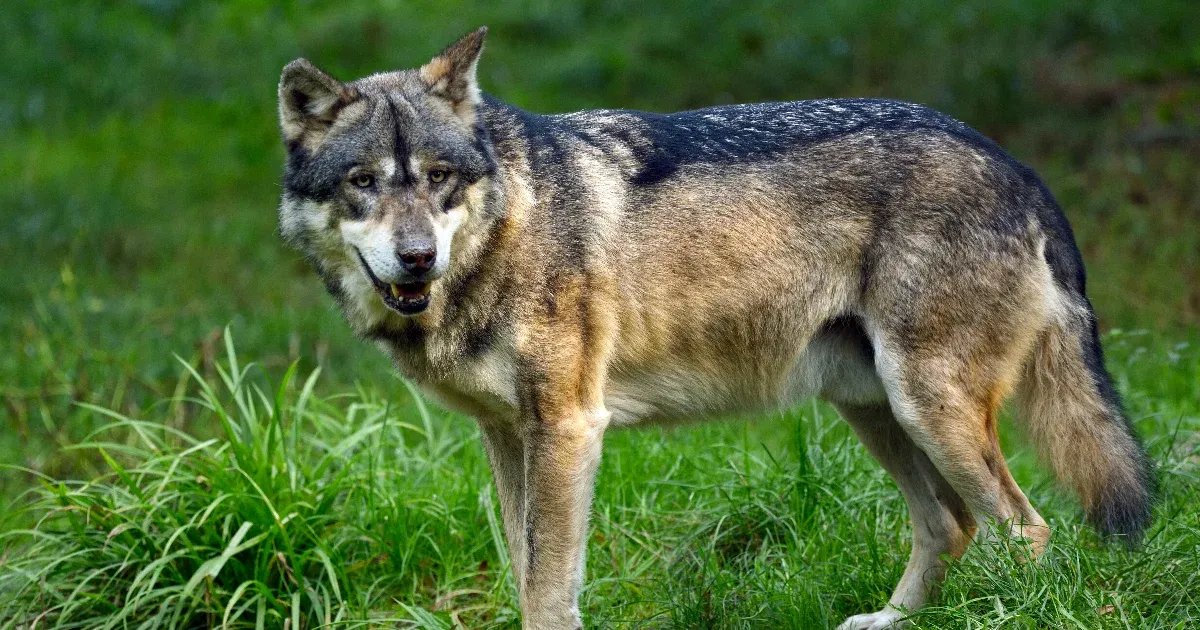
The area was later sealed with a concrete sarcophagus, and a sealed area was created around Chernobyl, from which the population was evacuated. However, the wildlife remained there and changed in a particularly interesting way: for example, the wolves living inside the closed zone it was revealed two years agothat they are resistant to cancer. Animals can be exposed to up to 11.28 millirems of radiation each day, which is six times the amount allowed for humans and roughly twice the amount of radiation that reaches the body from an X-ray. Wolves have significantly different white blood cell counts than individuals living outside of the Chernobyl zone, and their genomes presumably contain gene mutations that make them more resistant to cancer due to exposure to radiation.
University of Portsmouth researcher Jim Smith has now also revealed that the wolf population is doing quite well in the closed area, even though they have since been through a four-year war. To the Guardian the researcher stated: the number of individuals in the closed zone increased by seven times compared to the period before the accident, probably because there is no disturbing human factor in the area. The number of moose, roe deer and rabbits is also increasing similarly. “The ecosystem of the sealed zone is in much better shape than it was before the accident,” he said.
Not all species have fared well in the zone over the past four decades, however: according to a Turkish study last year, smaller birds such as barn swallows and titmice have problematic reproduction due to sperm abnormalities, oxidative stress and reduced antioxidant levels. Signs of radiation damage have also been shown in rodents, such as wood voles. In the case of larger animals, however, it seems that in addition to adaptation to radiation, possible damage is less of a problem than human presence before the accident.