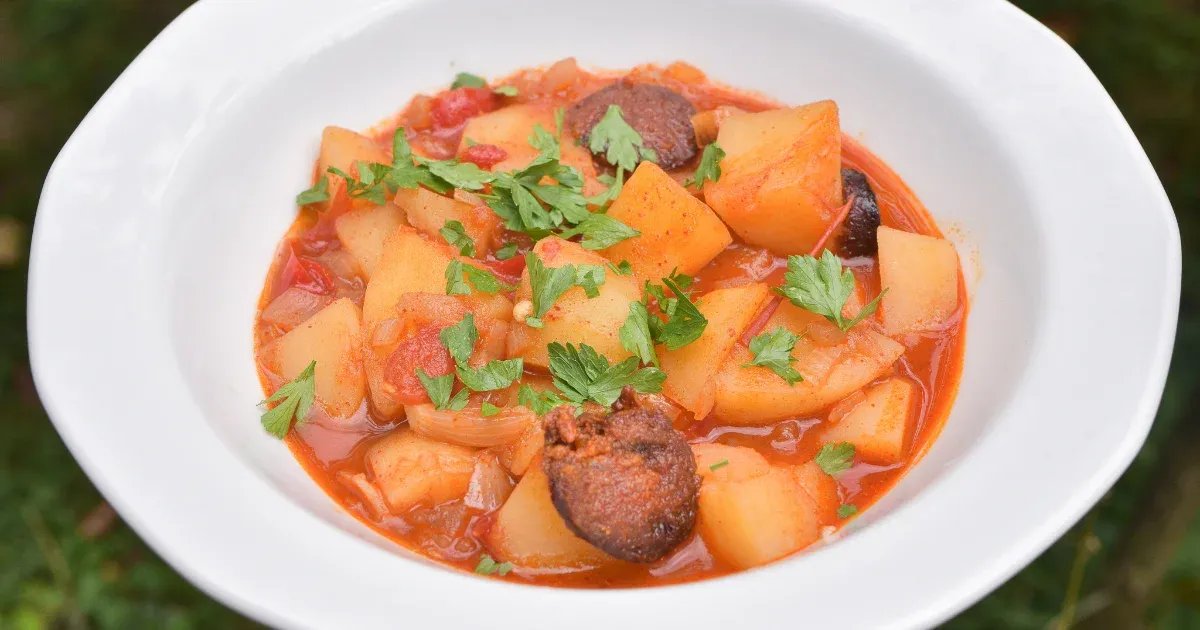
That we eat potatoes with meat, and if there is no meat, we still make something out of potatoes, seems like an ancient, fundamental Hungarian habit. We have so many different methods for preparing potatoes, we have so many words to get people on their feet, which are equally passionate about this kitchen ingredient. You might think that this is a domestic custom that has existed since the dawn of time, it has always been like this, but no: it is only a few hundred years old, and there are several twists in its history.
It is perhaps clear to everyone that many of the ingredients of Hungarian cuisine, considered essential today, were not originally known either here or throughout Europe, as they were brought from the other side of the earth after the discovery of America. So are peppers, corn, tomatoes and potatoes. Among them, there are those that quickly became part of the list of habits, while others slowly became popular. While the potato was already known together with corn in the middle of the 17th century, it took two hundred years for it to reach kitchens and potters.
THE According to Hungarian Ethnography the reason for this lay mainly in its botanical properties, since it had to be grown using completely different methods compared to the previous ones. In addition, it seemed so unusual and new at the time that various beliefs were associated with it, it was believed to be dangerous. They weren’t wrong in that, after all its fruit and leaves indeed they are poisonous, but the tuber is edible. While maize was cultivated by analogy with the long-known cereals, it spread much earlier than the potato. At first they don’t seem like related ingredients, but they are more such an old Hungarian dish exists, in which potatoes have taken the place of cornmeal and the porridge made from it. For example, tócsni, which was originally a pie made from solidified pork remains, or bread with potatoes, which used to be more corn-based. The popular corn porridge and place a slumbera dung, taken over by vegetables.
From the end of the 18th century, there are references to some people growing it in Transylvania, but only scattered. Economic writers already promoted it at this time as a cheap, weather-resistant, well-stored and nutritious raw material, which slowly became more and more well-known from one famine to the next.
For it to be a staple food, it must be conscious, coming from above promotion was needed. II. During József’s time, potato tubers were distributed for free and potato growers were helped with tax exemptions. Western countries also protested against potatoes, and in Germany and France they forced the farmers to grow potatoes with strict measures, thus achieving results a little earlier than us. This is how the word potato eventually came from French to Hungarian (probably a From the word Burgundy), a potato and from German (from the Bavarian dialect form of Grundbirne, i.e. ground pear, Krumpel).
In 1816, they tried to solve the recurrent wheat shortage with potatoes, pamphlets and studies were prepared about the useful plant, but still not everyone knew it, many did not know what to do with it in the kitchen. That is why a cookbook was created, which was written specifically with potato recipes. Subscriptions to help wheat in need entitled Zsuzsanna Rácz collected 86 potato dishes in three booklets. The most important of all was the recipe for bread made with potato starch at that time, due to the lack of grain, and neither side dishes nor potato casseroles were made from it. They also proposed that the population use it to brew brandy, but this has not really become a habit in our country. Everyday kitchens only slowly adopted it, at first they ate it fried, boiled, smeared with fat, and then they made puliska (so porridge) out of it.
Although potato flour bread or potato pálinka did not later become the most fashionable potato dishes, they did not work in vain to make these tubers popular with Hungarians. Along with the fact that it is not considered the most fashionable ingredient from a dietary point of view (although it is not at all unhealthy, it just contains a lot of starch and carbohydrates), it is still we make and like potatoes in many forms.