The debate on the Economic Rescue Law of the Government of Abelardo De La Espriella has not yet formally startedbut the project already opened a front of controversy in Congress.
READ ALSO
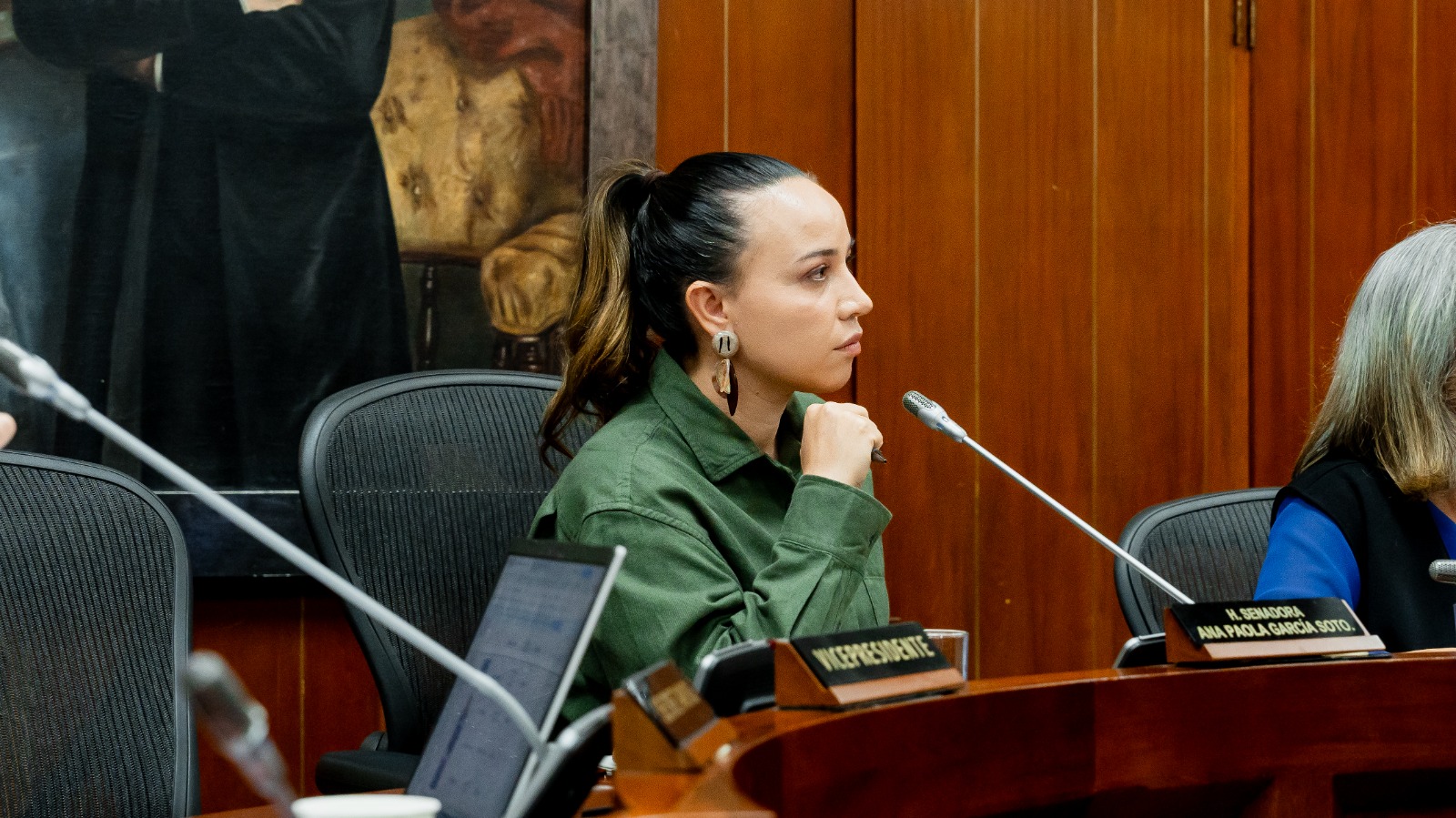
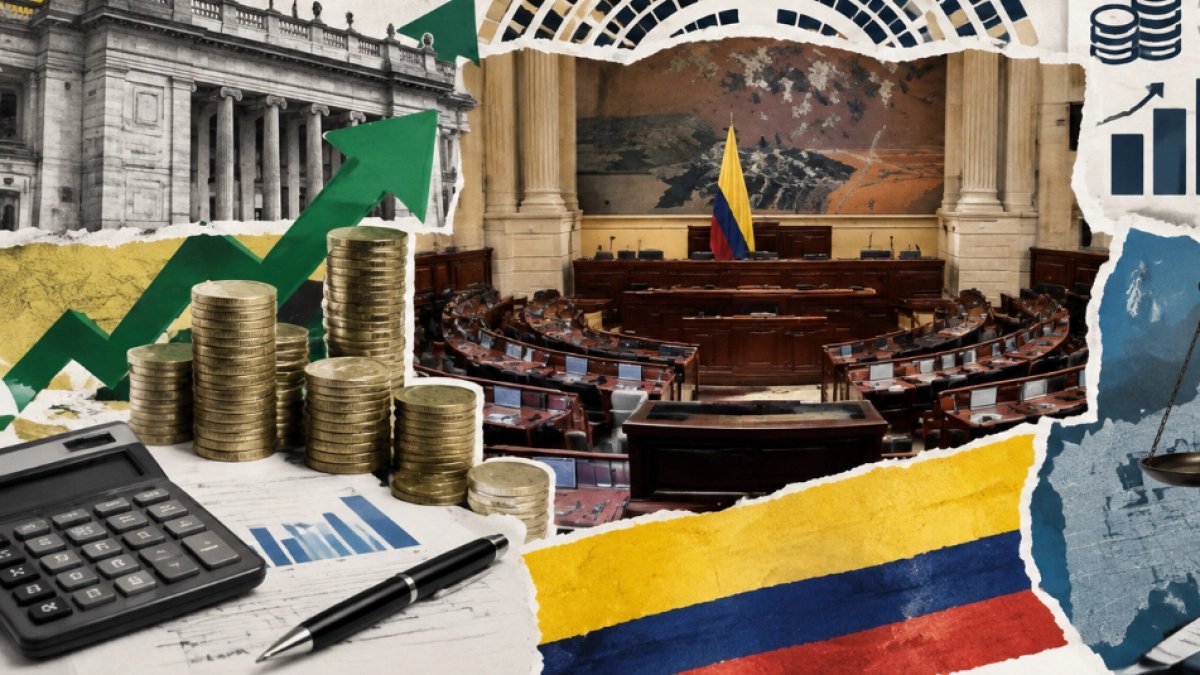
The discussion revolves around two issues: which commissions should be in charge of their first debate and how the designation of the speakers who will be in charge of preparing the text that will be put to the vote will be distributed.
Third and Fourth Commissions must approve the project in the first debate. Photo:Registry.
Uncertainty arose after it circulated on Capitol Hill the version that the initiative would be studied only by the third economic commissions, which would leave the fourth ones out. Then, only the names of the presenting senators were knownbut not those of the House of Representatives.
The controversy is not minor. The Government has a tight legislative calendar to carry out an initiative that he considers a priority to confront the fiscal deficit. The regular period of sessions ends on December 16 and the Executive needs to advance the discussion, build agreements with the benches and obtain the necessary majorities so that the project does not remain unprocessed.
For now, in the Senate conservative David Barguil was appointedmember of the Third Commission, and Carlos Mario Farelo, from Cambio Radical, who is part of the Fourth Commission.
Congressmen consulted by EL TIEMPO They expressed their confusion at the lack of clarity about the procedure and for the delay in completing the appointments. From the Third Commission of the Chamber they told this newspaper that, once they receive the corresponding document from the General Secretariat, They will advance the respective process.
In the midst of the discussion, the Legislative Technical Assistance Coordinating Unit issued a concept in which it recommended that “Bill 477 of 2026 House and 328 of 2026 Senate be distributed to the third and fourth economic commissions in the terms of Article 346 of the Constitution and Article 4 of Law 3 of 1992″.
READ ALSO
Likewise, recommends “that the process and voting of articles related to taxes be carried out first by the Third Commission of the House of Representatives, to comply with Article 154 of the Constitution”.
Taxes on products in the family basket are the main objection of the parties. Photo:iStock
Although they present it as a “recommendation”, as they themselves support it, The procedure must take into account the competition of the economic commissions and the specific rules for discussing tax provisions. The discussion, therefore, is not limited to a difference over the distribution of the speakers, but also involves the procedure that the project must follow before reaching the plenary sessions to avoid reporting a procedural defect in the future.
The benches have not yet committed their votes
For now No bank allied to the Government has expressed support unconditional to the project.
The Democratic Center and the Conservative Party have expressed objections to the tax changes that could affect products in the family basketagricultural inputs and insurance or health policies.
In addition, share downsizing strategy of the State to inject fresh resources into the budget without raising taxes on the people, because while the Democratic Center suggested evaluating the sale of additional state participation in Ecopetrol to the solidarity sector, the Conservative Party proposes the sale of shares in ISA.
Even Sara Castellanos, senator of National Salvation and president of the Third Commission, rejects VAT on food and the ‘La U’ party has not yet established a definitive position about the meaning of your vote.
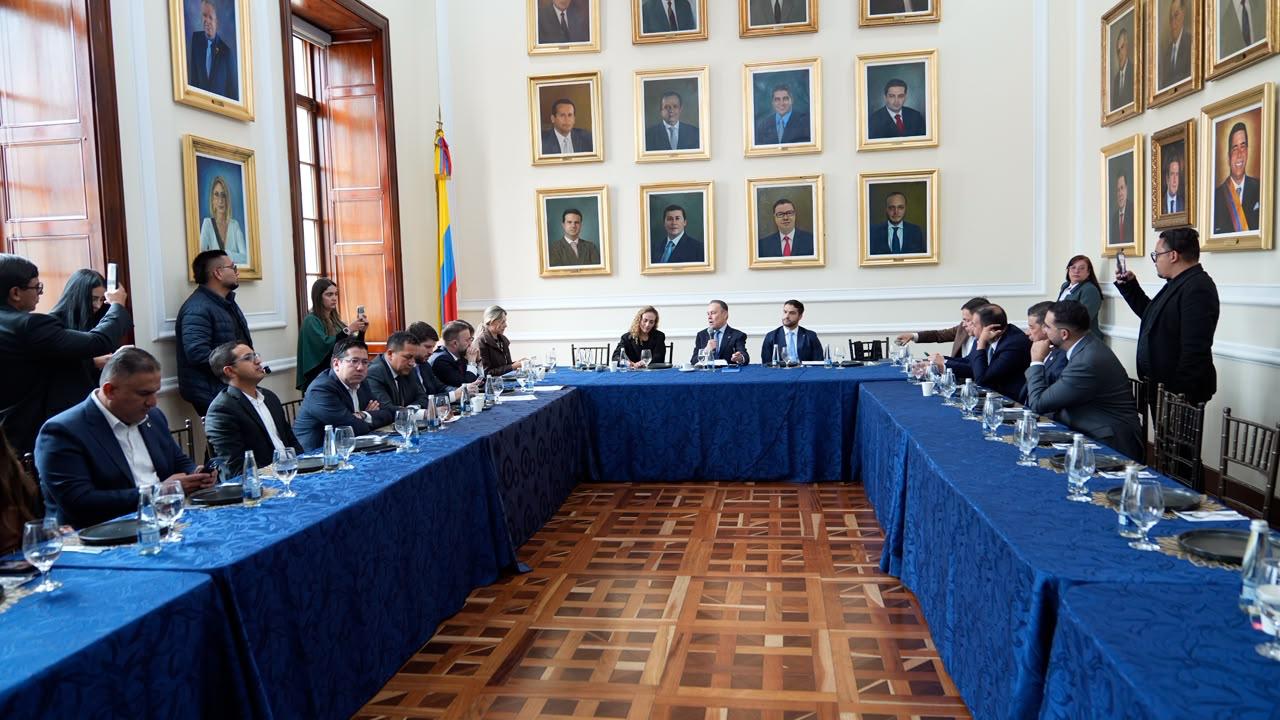
Economic Commissions in Barranquilla with the De La Espriella government last weekend. Photo:Senate
Radical Change He has not announced an official position either. of the bench, but representative Julio César Triana told EL TIEMPO that in the meetings the taxes that could affect the family basket and They propose strengthening the Dian to recover resources through the fight against evasion and smuggling.
READ ALSO
The appointment of the speakers It will only be the first step of a negotiation that will have to be given article by article and that will test the capacity of the Executive to build majorities in Congress, even among coalition parties.