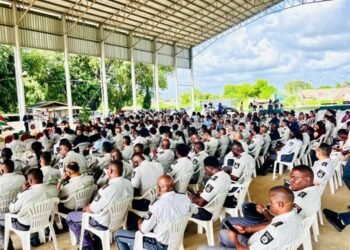
THE ONE EDUCATIONAL CONGRESS is hardly over when the other is held. The ‘second phase of the National Education Congress 2026’ took place from Monday to Wednesday, during which the participants used the now well-known clichés. Keynote speaker Jennifer Geerlings-Simons also contributed in this regard by stating that “you cannot learn in a classroom where the ceiling threatens to collapse and wood lice fall on your head”.
But anyone who thinks that a ready-made solution has been devised after the three-day conference, which will make these and the many other problems in the educational field a thing of the past in the foreseeable future, will probably be disappointed again. As was also the case after previous conferences, seminars and meetings.
The umpteenth final report will most likely end up in a drawer somewhere in the responsible ministry or in the president’s office
Experience has shown that these mainly function as supposedly important discussion groups in which policy makers, educational experts and social actors ‘work together on a future-oriented educational vision for Suriname’, but that ultimately do not produce anything that is of any use to students and teachers. And those are the main groups that matter.
Geerlings-Simons painted a sad picture of the current state of education, which everyone is of course already familiar with. She also urged “solutions for today and a solid foundation for tomorrow.” There was again a lot of fun reflecting and the urgency emphasized that something must be done now. The existing established order, such as former Education Minister Robert Peneuxpraised Geerlings-Simons for hearing her “as the first president to delve so deeply into education” and praised her “strong substantive contribution”.
But there was also some criticism. More skeptical voices were heard from other quarters. “We don’t need congresses to know what needs to be done,” said assembly member Putini Atompai (NPS). And with that he hit the nail on the head, because everyone is getting tired of all the talk but nothing being done. The pain points have been known for years and now is the time for real action. “We need to build schools and pay teachers better. That is the basis,” says Atompai.
But politicians, policy makers and experts once again did their best during the congress to use a lot of talk to improve education throughout the country. Once again, all kinds of great ideas were expressed, which will be contained in yet another final report. It will most likely end up in a drawer somewhere in the responsible ministry or the president’s office. And ultimately nothing concrete will be done with it.
But a number of people have earned a lot of money from organizing this conference – in any case more than the average teacher receives in salary per year. Education is in fact a later concern; That will come at the next conference!