Petingen wants to install cameras in all schoolyards. Mayor Jean-Marie Halsdorf announced this on Monday. He doesn’t want to examine the project for much longer – he now wants to get down to business.
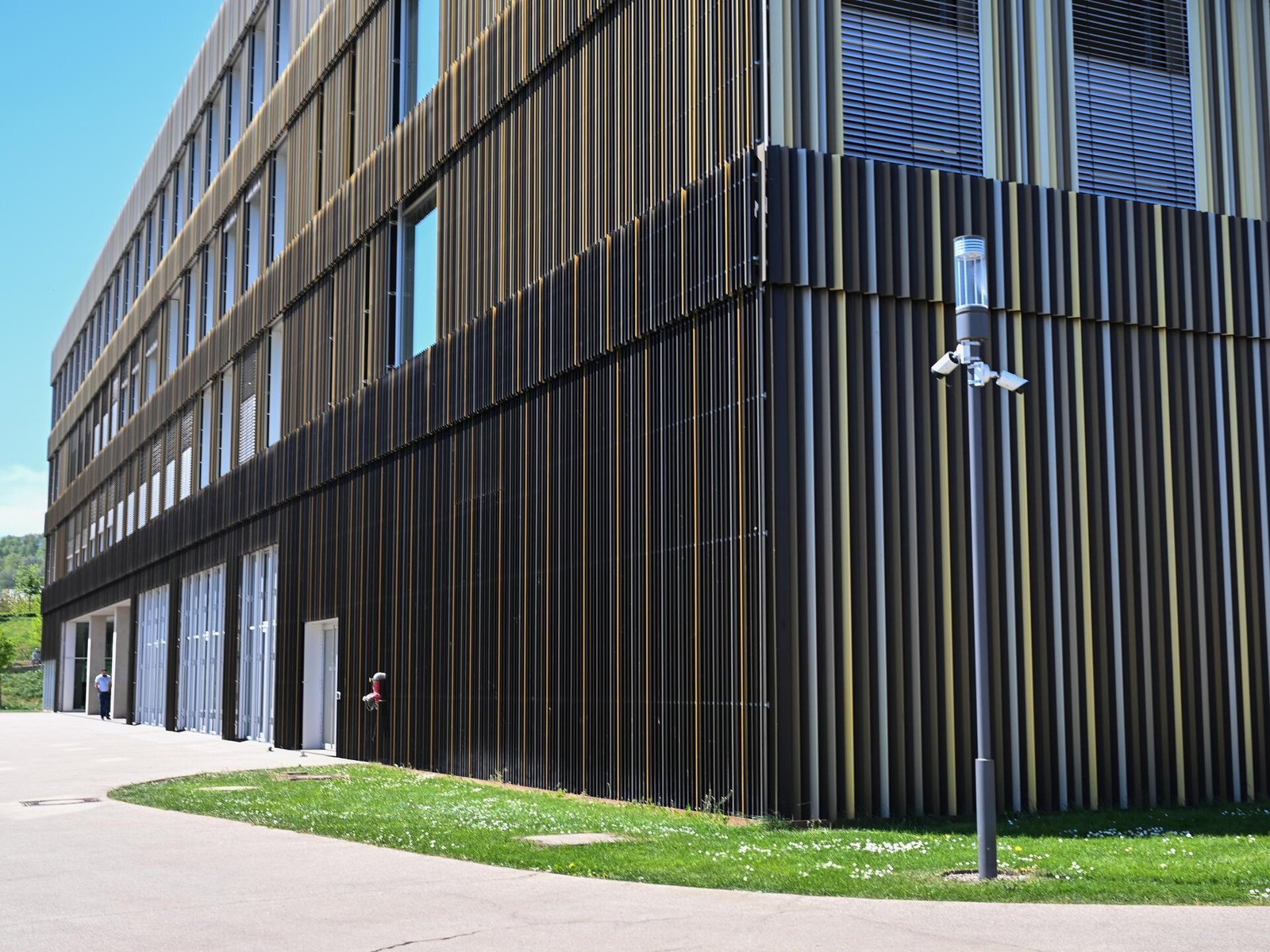
In Pétange, the decision is justified by increasing vandalism in schoolyards and school buildings. Those responsible argue that cameras could deter such acts or at least help clarify them. In fact, incidents of the past few weeks provide arguments for the need for action: There are traces of an attempted window break-in at the International School in Differdange. Significant damage was discovered here that looks like bullet holes. The primary school in Roodt/Syr was also badly damaged over Easter – windows, doors and electronic devices were destroyed.
In Differdange, people say they have had good experiences with cameras around schools. “We have already installed cameras in some schools. After that, cases of vandalism fell significantly,” said Mayor Guy Altmeisch (LSAP) in a statement Daily newspaper-Interview 2024.
However, the preventive effect of surveillance cameras is scientifically controversial and has been put into perspective several times. An example from Luxembourg: As can be seen from a parliamentary response from Interior Minister Léon Gloden (CSV) and Mobility Minister Yuriko Backes (DP), cameras at Luxtram stops could not prevent thefts and violent attacks.
There are also doubts about the Enlightenment argument. “During the last statement by the Board of Aldermen (of the City of Luxembourg) in 2022, it emerged that the approximately 250 cameras in the city at that time only helped solve a case once,” wrote Daily newspaper-Co-editor-in-chief Chris Schimmeler in a 2025 editorial.
In addition to the questionable effectiveness, there are significant data protection concerns. Public spaces are increasingly being monitored – and the state must adhere to the applicable EU data protection rules. The National Data Protection Commission (CNPD) points this out Daily newspaper-Inquiry. But even if recordings are deleted after a certain time, access is strictly regulated and no sound is allowed to be recorded, the feeling of constant observation grows. There is also a risk of misuse – be it by authorized people who ignore the rules or by criminals who gain access to the systems. As was aptly stated in Differdange: “There is no such thing as zero risk.”
Video surveillance in schoolyards is particularly sensitive because the people filmed are predominantly minors. Although schools must document exactly who has access to the recordings, when and why, no system is completely secure.
In addition, according to the CNPD, the installation of cameras may not be easily possible. On Daily newspaper-Inquiry, the authority explained that the so-called “principle of proportionality” applies. Accordingly, only what is absolutely necessary to achieve the intended purpose may be filmed. The impact of the invasion of privacy varies depending on the location. According to the CNPD, the surveillance of “espaces de vie, de loisir et de récréation” – which also includes schoolyards – is generally seen as disproportionate. Therefore, both the selection of camera locations and the times during which they are active must be carefully considered in order to minimize intrusions into the privacy of students and teaching staff.
It remains to be seen how those affected in Pétange will react to the plans. In any case, a broad discussion about school safety and the protection of children’s privacy seems necessary.
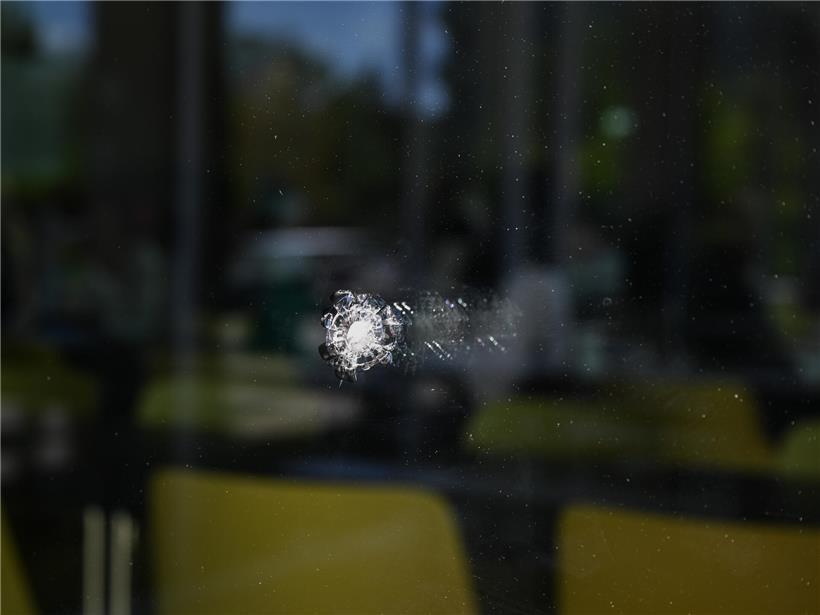
A projectile hit the window of the EIDE school. This is not the only incident of this kind. Photo: Editpress/Julien Garroy