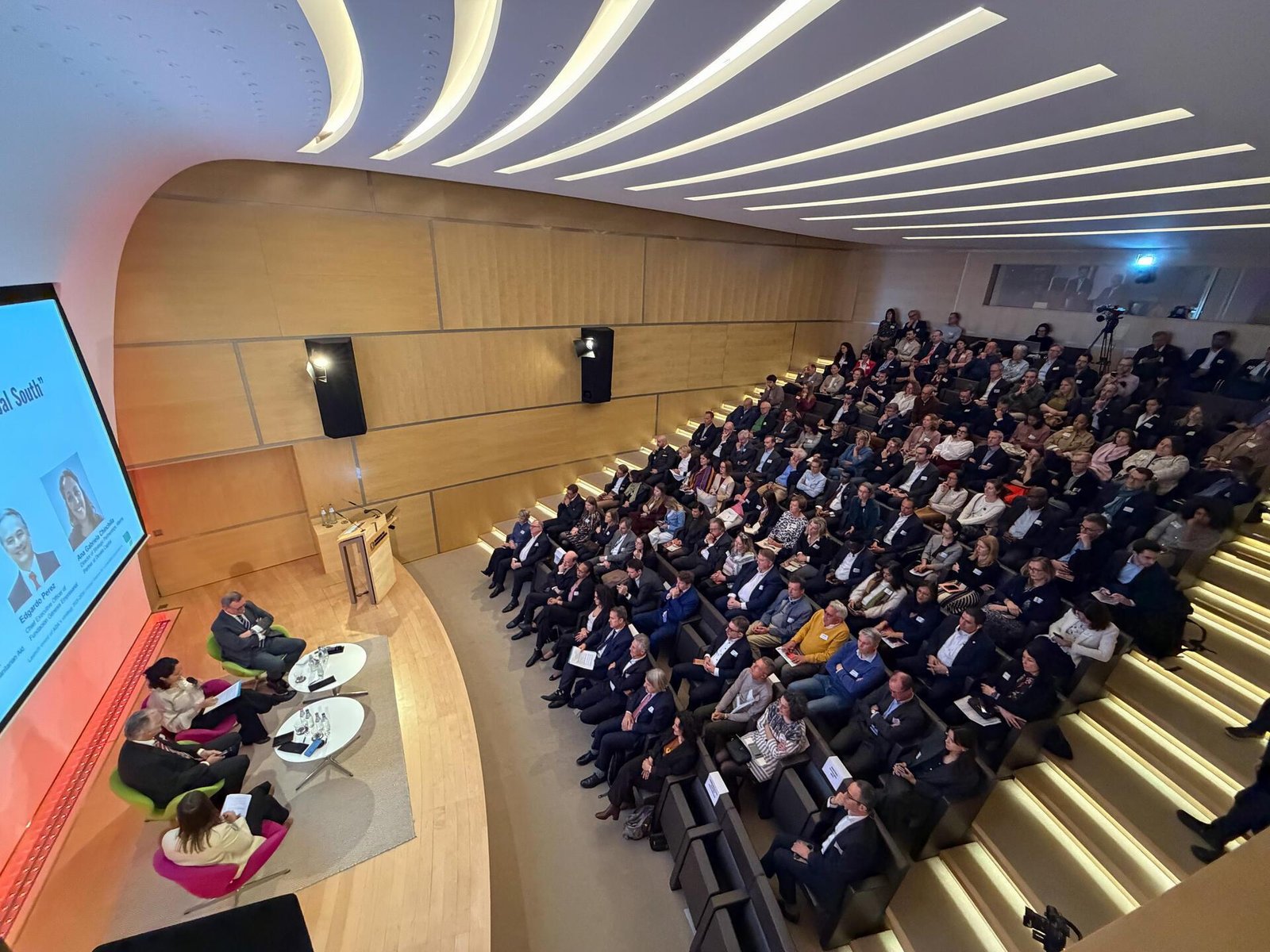
“In contrast to all the negative news that reaches you every day, ADA has something positive to report,” said Laura Foschi on Monday morning in front of around 150 listeners. “Namely about what our actions have on site and about the NGO’s new strategy for the years 2026 to 2023.”
The three letters “ADA” stand for “Appui au développement autonomous“, loosely translated: Help for self-help. And the name says it all. The organization, founded in 1994 by a handful of people in Luxembourg, has years of growth behind it and still has big plans for the future.
ADA operates in approximately 50 countries worldwide, from Armenia and Bangladesh to Bolivia and Ethiopia to India, Laos, Myanmar, Tajikistan and Zambia. In these countries it supports local organizations that try to combat the worst poverty. “We help create sustainable solutions.”
The goal that has now been set is to reach a total of 1.5 million people by 2030 with “solutions” that have been developed in collaboration with local partner organizations. “It varies from case to case and from country to country,” says Foschi. Sometimes it’s a microloan for a budding entrepreneur who doesn’t have access to the traditional banking system. Sometimes it is the creation of a savings account so that families can be prepared against emergencies. Sometimes health insurance, sometimes financing to install solar panels, sometimes food security or water supply projects. “We help build local ecosystems.”
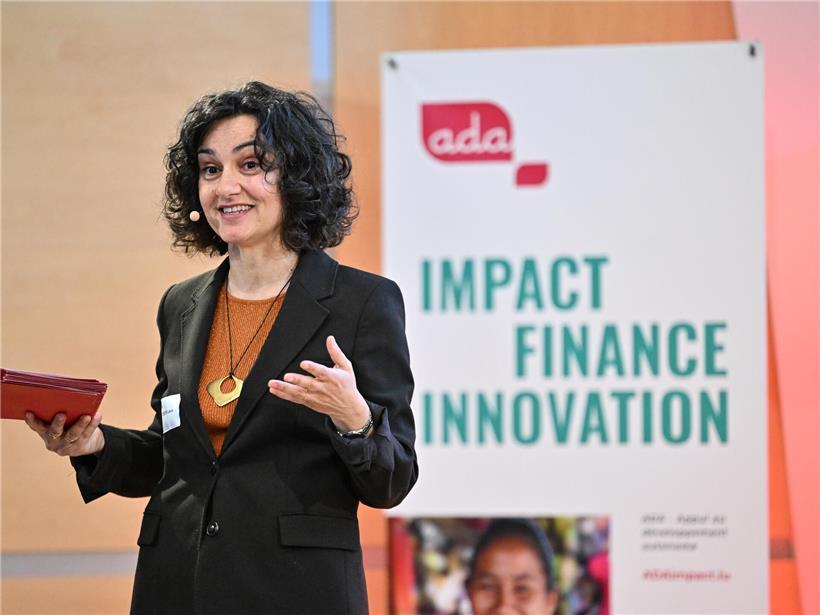
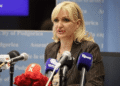
Laura Foschi, Director of the ADA Photo: Editpress/Julien Garroy
“This changes the lives of the beneficiaries, both economically and socially,” said Foschi. “We give the partner organizations tools to achieve the goal of sustainable poverty reduction. We strengthen existing initiatives.” To do this, partners are given technical and financial help, advisors are made available to them, further training is paid for and contacts are established for them.
Laura Foschi is convinced that the goal of 1.5 million people is achievable. In the last four years, the products developed by ADA and its partners have already reached 900,000 people, she emphasizes. The organization also uses specialist knowledge and contacts with the Luxembourg financial center. ADA employs around 45 experts and a further 15 employees on site in the countries to achieve the set goals.
If we give one percent of the national budget to development aid, 99 percent will still remain in the country
Xavier Bettel
About half of the organization’s funding comes from Luxembourg development aid. For the years 2026 to 2030 that is almost 50 million euros. The other half of the financing comes from German, Swiss and Liechtenstein development aid, as well as from various project supporters.
“We are trying to use the money in the best possible way,” says Georges Ternes, director of the Luxembourg Ministry of Development Aid. And the area of inclusive finance (formerly microfinance) is one of the ways in which it has been proven to work when it comes to combating extreme poverty.
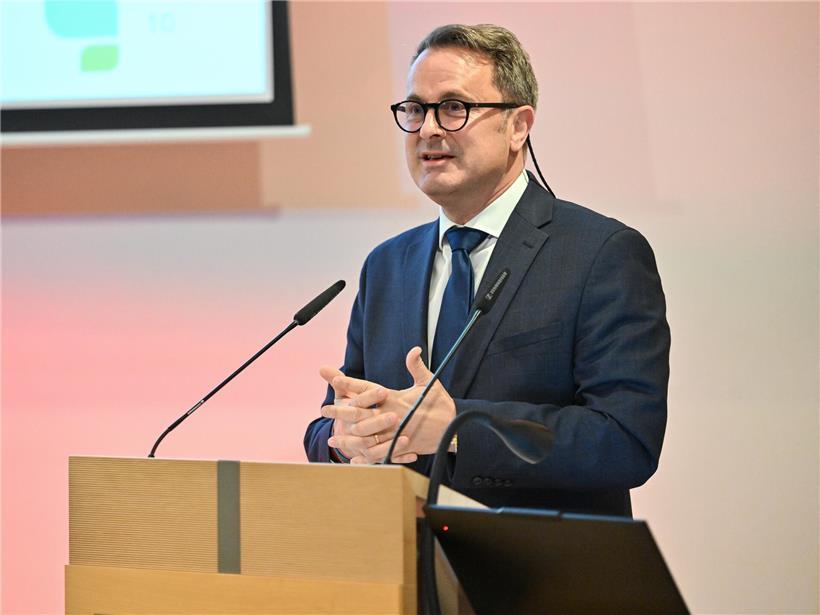
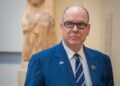
Xavier Bettel, Minister for Development Aid Photo: Editpress/Julien Garroy
The responsible minister, Xavier Bettel, also emphasized the responsibility towards taxpayers. He recalled what is taken for granted in Luxembourg: savings accounts, insurance, loans, but is by no means accessible in many parts of the world.
Using the example of a small loan for seeds, he illustrated how modest financial resources can create prospects and hope. Without financial reserves, an illness could threaten your existence. Inclusive finance is therefore more than just finance, the minister continued.
Even in times when government finances are under pressure, “helping is more important than ever,” he explains. “If we give one percent of the national budget to development aid, 99 percent still stays in the country. (…) We help to give people a better life. I’m proud of that.”