Bad time to be a captain in the Middle East and surrounding areas, where, if a bomb doesn’t fall on you, your ship will be boarded. He Strait of Hormuz It is closed to commercial navigation under the threat of Iranian drones, which in turn has its ports blocked and its ships in the sights of USA. The Houthi militiamen, Iran’s allies launch attacks in the Red Sea.
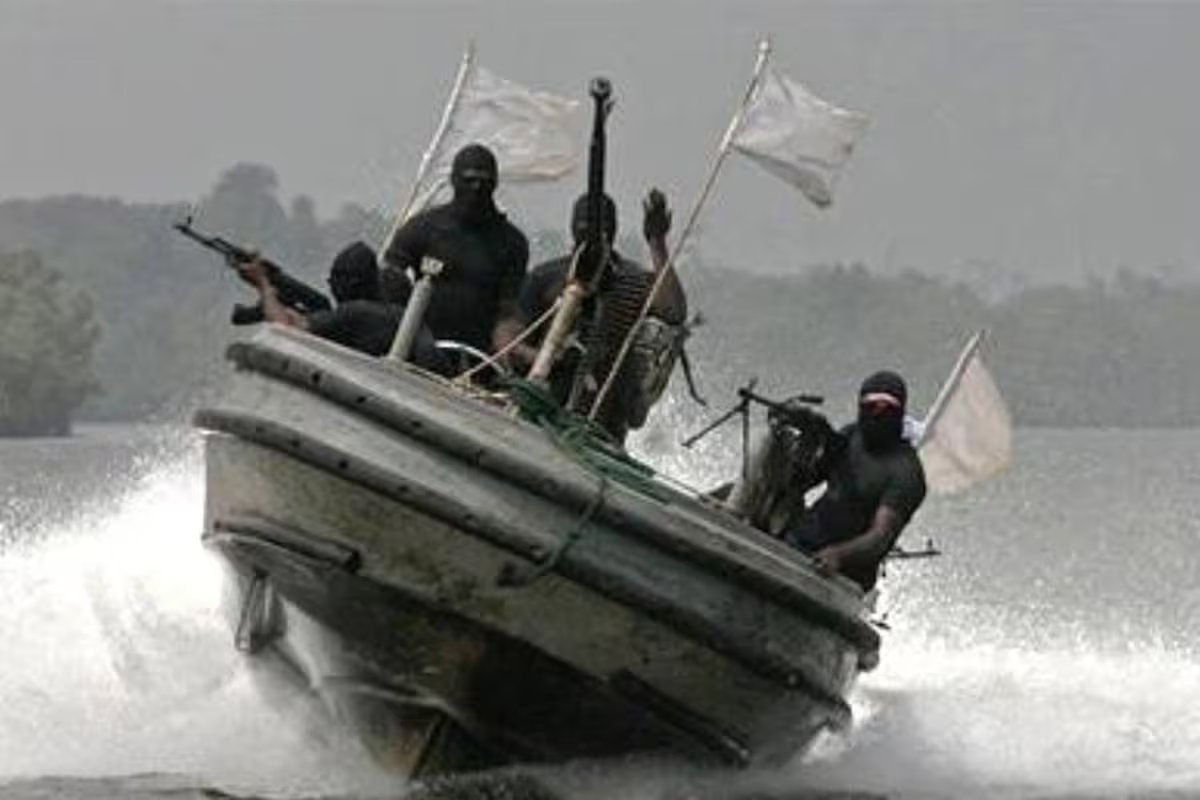
In those troubled waters, off the coast of Somalia, the pirates returned. And they did it with everything. Although activity was on the rise again in this African country, a succession of kidnappings, at least four in ten days, confirmed his return after leaving the sea and the news.
Last week, after one of several captures, The British Maritime Trade Organization raised the threat level in the area to “substantial,” noting that “unauthorized persons” took the ship and directed it to Somali territorial waters.
“All incidents continue,” warned the Indian Ocean Maritime Safety Center (MSCIO). “Vessels operating in the area are strongly advised to maintain greater vigilanceparticularly within the 150 nautical miles of the Somali coast between Mogadishu and Hafun, where possible.”
With the alarms activated, the discussion also resumed on how to contain the scourge, which has a multi-causal origin, while the assaults are becoming more daring and the actors more numerous. One of the hijacked ships, the cement maker Sward, was taken by a group in the town of Garacad, further south of the pirates’ known strongholds, a sign, according to Somali officials and security experts, of the emergence of a new gang.
Somali pirates seemed on the way out after keeping maritime trade in suspense in the early years of the century, with dramatic boat chases at gunpoint and millionaire ransom demands from shipping companies by foreign crews. They not only captured ships, but also the attention of Hollywood, which released the brilliant films Captain Phillips (2013) and The pirates of Somalia (2017), where they portrayed the phenomenon truthfully.
On board speedboats, gangs armed with AK-47s and portable rocket launchers They pursued merchant ships and embarked on boarding, like Sandokan or Jack Sparrow, although with less sympathy and more violence than the charismatic fictional characters. Then a figure was requested, negotiated, and payment was made. Between 2005 and 2012, the different pirate gangs collected between 339 and 413 million dollars for the rescue of the sailors.
The millions continued to enter their coffers until they had to retire to winter quarters, forced by circumstances, when the area reinforced security with an international coalition that came out to guard the ships and ruined the pirate business. The ships also hired guards and took extra measures to not surrender.
Another change of circumstances returned them to the water in 2023, with a disturbing behavior that became red hot today. The strategy involves taking a smaller ship by storm, perhaps a traditional sailboat or a small fishing boat, and go out after the merchant ships that navigate these routes where 10 to 20% of world maritime trade circulates.
“Pirates often employ a mothership model and speedboats and target the crews for ransoms. long term prevention requires a reinforcement of maritime control led by Somalia, regional cooperation and investments in coastal livelihoods and sustainable fisheries management,” the Institute for Security Studies (ISS Africa) told LA NACION.
The diversion of armed resources to the red sea to combat the Houthi attacks has been one of the main causes of the renewed audacity of the pirates, who see the clearest path to go hunting for large floating prey. And they don’t keep the merchandise, like the old pirates: They focus on the kidnapped crew and how much they can get out.
Extreme poverty and fury over illegal fishing by boats from China, Yemen, Iran and elsewhere, taking away their resources in a country already among the most insolvent in the world, They add more fuel to the fire of the motivations why dozens of young Somalis launch themselves into the assault. With this swell in the background, the war in Iran extended another invitation to embark on the boarding.
According to a report by the Horn Review, a think tank in neighboring Ethiopia, “Iran’s war has created ripple effects that reach far beyond the Middle East. Western and Persian Gulf powers have redirected their naval, intelligence and air assets toward the eastern Mediterranean and northern Red Sea. There, the Houthis, Iranian-backed networks, and other state and non-state actors have engaged in escalating clashes.”
That diversion of attention reduced maritime patrols and air surveillance of the Gulf of Aden and the western Indian Ocean, He added, which is why ships in the area operate in a less predictable environment, with the increased risk of piracy and armed robbery.
“Somali pirates are likely to continue testing the waters to assess whether ships transiting off the Somali coast continue to be protected in accordance with best management practice recommendations and if they use private armed security teams,” the International Maritime Office explained to the Bloomberg agency.
A terrorist organization also thrives in this breeding ground, Al Shabaab, linked to Al Qaeda and with operations in Somalia and the Horn of Africa.
Those who suffer the most from this ecosystem are of course the captains and their staff. During the capture of the tanker Honor 25on April 21, Messages from the captain and crew members to their families went viralat the exact moment when the pirates set foot on deck.
The captain of the ship, the Indonesian Ashari Samadikun, He sent an audio to his wife on WhatsApp, where it told him that the ship was being attacked at that very moment, and contact was immediately lost. According to the woman, “they told us that The situation on board is changing. If the pirates feel threatened, the safety of the crew is also at risk.”
The message that the Pakistani sailor Amin bin Shams He managed to send to his father: “Dad, pray for me. We have been captured by pirates… this is my last voice message. “I don’t know if I will be able to talk to you again because they are taking us to kill us.”