Signs that the teacher shortage is easing
Keystone-SDA
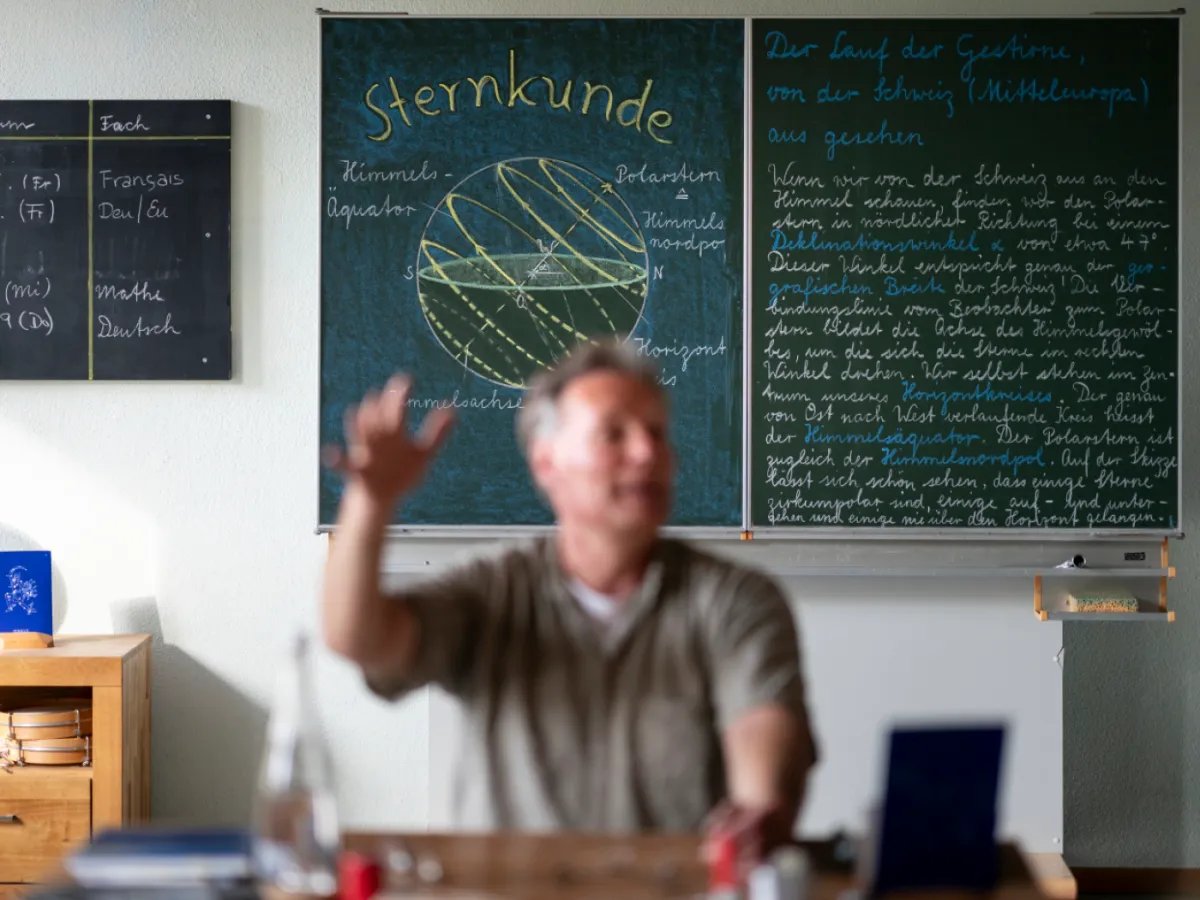
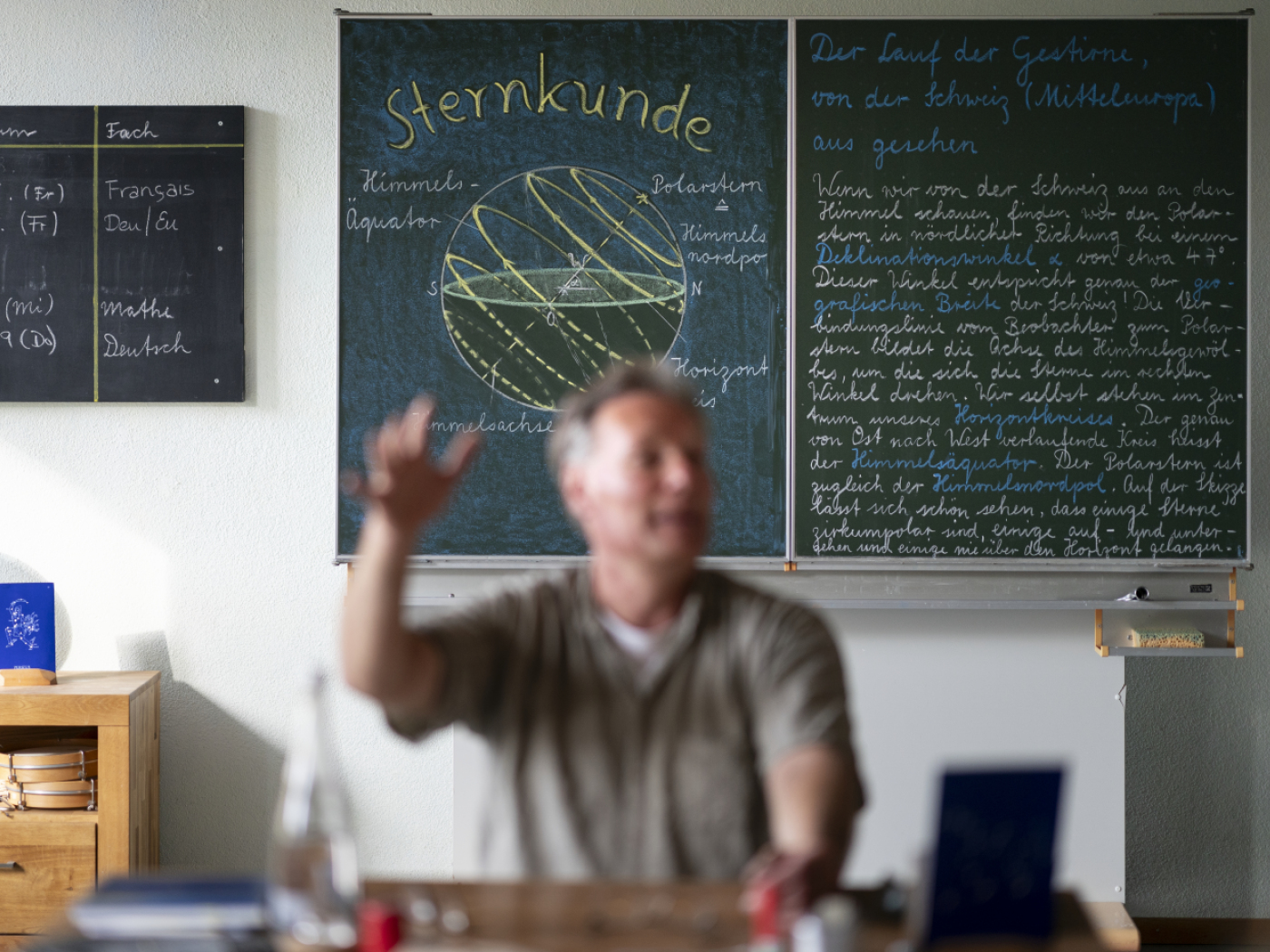
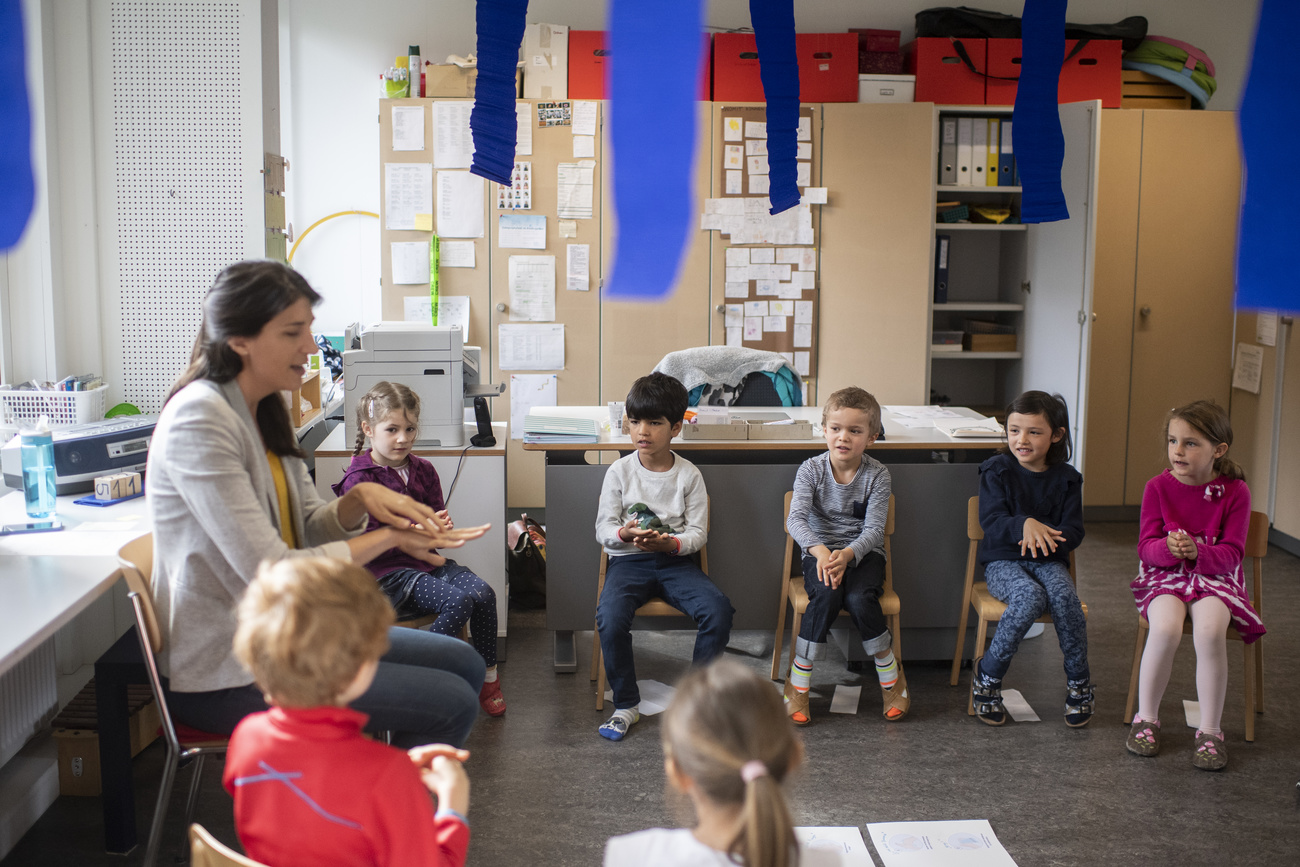
As the new school year approaches, there are signs that the teacher shortage in Switzerland is easing in some cantons. In the medium term, falling birth rates and rising student numbers at teacher training colleges could also help to improve the situation.
The Department of Education of canton Zurich had already given the all-clear back in March. It stated that, as the new school year began, there was no shortage of qualified teachers. The Department of Education wrote that local authorities should therefore no longer employ anyone without a teaching qualification in mainstream classes.
The Department of Education, Culture and Sport of canton Basel Country also reports a positive trend. As of June 8, there were still 17.1 full-time equivalents to be filled across all roles in primary schools – less than half the figure from the previous year.
In canton Bern, however, according to information from the Department of Education and Culture, the teacher shortage has not yet been resolved. In particular, there remains a high demand for teachers in primary schools, as well as in special educational needs and lower secondary education. However, various measures to make the profession more attractive have helped to improve the situation compared with previous years.
More
More
Switzerland faces acute shortage of teachers over next decade
Decline in birth rates eases the situation
The decline in the birth rate in recent years could help ease the pressure, particularly in the lower primary school years. The educational scenarios of the Federal Statistical Office (FSO) predict a decline in pupil numbers in the first and second years of primary school from this year onwards. This decline is estimated at up to 7%. According to the reference scenario, the teaching workforce is expected to fall by around 4,500 teachers over the next ten years.
At the same time, various teacher training colleges in Switzerland are reporting a sharp rise in student numbers, reaching double-digit percentages. The University of Applied Sciences and Arts Northwestern Switzerland (FHNW) expects to have over 3,900 students, compared with 3,620 in 2022. And the Bern University of Teacher Education has reported a record number of teaching diplomas.
‘Structural challenge remains’
The Swiss Teachers’ Association is not yet ready to give the all-clear. “The shortage of teachers remains a structural and qualitative challenge,” says Beat Schwendimann, Head of Education at the association, in response to an enquiry from the Swiss News Agency Keystone-SDA.
Although headteachers usually manage to fill all vacant posts by the start of the school year, they are often forced to rely on people without a teaching diploma or students at teacher training colleges. “These stopgap measures mask the staff shortage and jeopardise the quality of education,” Schwendimann said.
More

More
‘I’ve always had a passion for teaching’
However, he also sees slight signs of improvement. The decline in the birth rate will reduce the number of pupils at primary level from 2026 onwards. At the same time, teacher training colleges continue to record high intake figures. “These factors will somewhat alleviate the quantitative pressure in the regions by 2032.” In the medium to long term, the aim must be to fill all posts with fully qualified teachers.
However, specialised areas such as special educational needs in schools remain particularly affected, according to Schwendimann. This is also confirmed by the Department of Education of canton Zurich. Although the number of training places for special educational needs has been steadily increased, it has not been possible to meet the growing demand. Schools in Zurich may therefore continue to employ staff without the relevant qualification in this field.
+ How we produce English news
Translated from German, reviewed by an English Department journalist.