South Korea has shared information with Iran on vessels linked to Seoul that remain stranded in the Strait of Hormuz, diplomatic sources said Tuesday, in a potential sign the government is moving toward negotiations with Tehran to secure safe passage amid heightened tensions between the US and Iran.
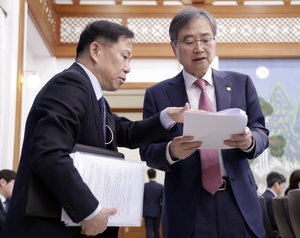
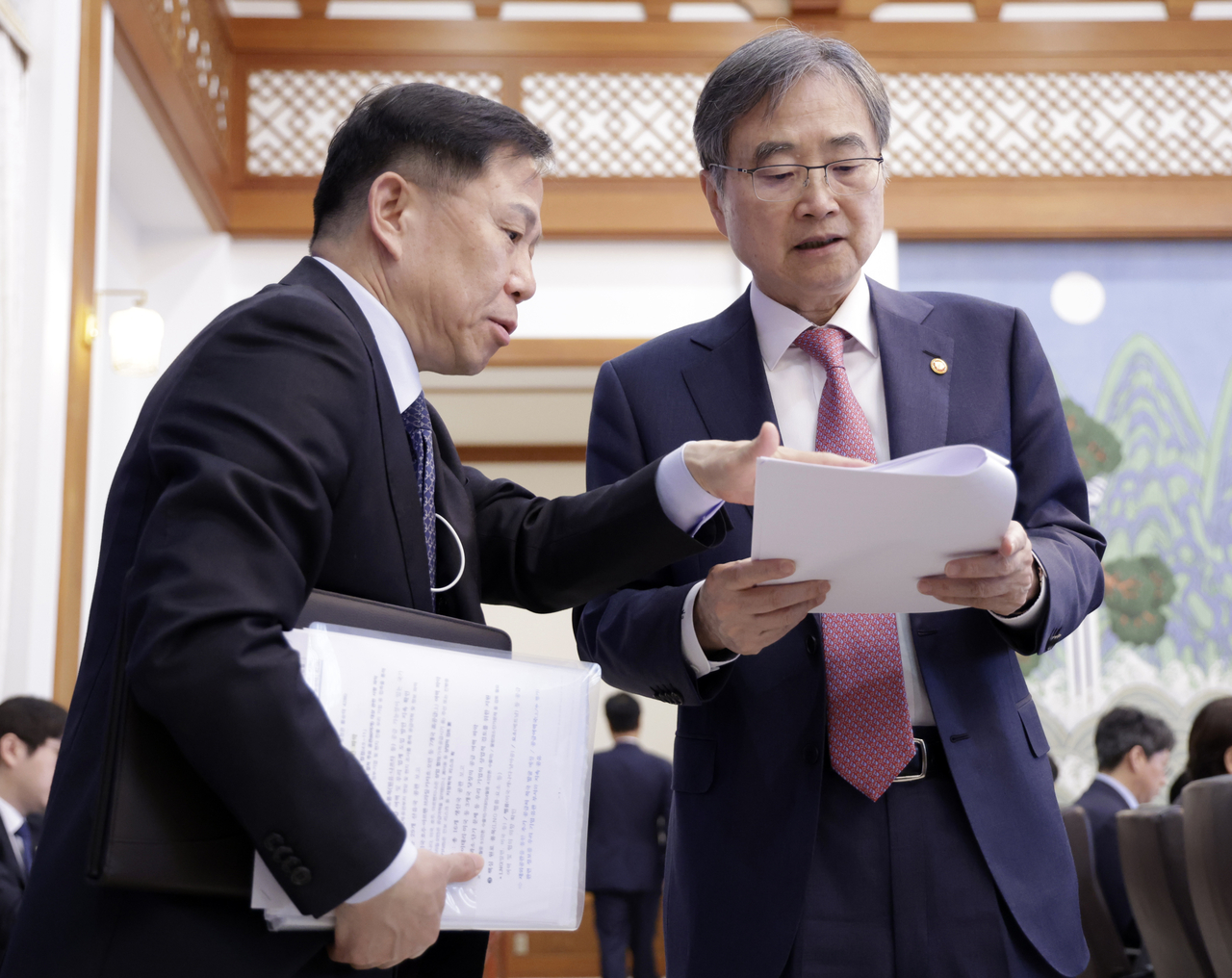
The move comes as Chung Byung-ha, a special envoy to Foreign Minister Cho Hyun, is visiting Iran for consultations with senior officials on key issues, including maritime transit and the safety of South Korean ships and crew members. Seoul is understood to have provided Tehran with details on vessels currently waiting in the strait as part of broader diplomatic efforts to ensure their safety, rather than seeking preferential treatment for specific ships.
According to diplomatic sources, the government is prioritizing the safety of South Korea-related vessels as tensions surrounding the Strait of Hormuz persist.
“Our government is communicating with relevant countries regarding the safety and navigation of vessels in the Strait of Hormuz,” a Foreign Ministry official, speaking on condition of anonymity, said. The official declined to provide further details.
The accounts are in line with Foreign Minister Cho Hyun’s remarks during the Cabinet meeting chaired by President Lee Jae Myung earlier on Tuesday, where he said special envoy Chung Byung-ha had held talks with senior Iranian officials to exchange views on the Middle East situation. Cho added that Chung has also been discussing the safety of South Korean nationals, vessels and crew, as well as broader issues of freedom of navigation, including for Korean-flagged ships.
The information-sharing is believed to have taken place after Washington and Tehran announced a two-week ceasefire on April 7, though the truce has since come under strain following failed talks and renewed escalation, including a US naval blockade, with Chung now holding in-person discussions in Iran on both the vessel issue and broader bilateral relations.
A total of 26 South Korea-related vessels carrying 173 crew members are currently waiting near the strait.
The development comes as Seoul appears to be shifting toward more direct engagement with Iran, amid growing concerns over prolonged disruptions to a key global shipping route critical for energy imports.
Separately, the Foreign Ministry official said the government is also weighing humanitarian assistance for the Middle East, with the scope and scale expected to be finalized as early as this week.
Diplomatic sources have said the aid would be delivered through international organizations and is unrelated to negotiations over maritime transit. “Taking into account requests from the international community, including the United Nations, we are reviewing humanitarian assistance to help improve conditions in affected areas,” the ministry explained earlier.
Seoul has continued to provide humanitarian aid to the region, including Iran, through international bodies even before the latest conflict, and is now considering additional support as civilian casualties rise.
Meanwhile, a tanker linked to South Korea’s Janggeum Maritime is reported to have passed through the Strait of Hormuz via an Iranian-approved route, drawing attention amid ongoing transit restrictions. Industry sources said the vessel, Mombasa B, entered the Persian Gulf earlier this month, though questions remain over its ownership structure and whether a third-party operator or transit fees were involved.
Both the presidential office and the Ministry of Oceans and Fisheries said the vessel does not fall under its monitoring, noting that Janggeum Maritime is understood to be a charterer rather than the owner, with no South Korean nationals on board.
mkjung@heraldcorp.com