The government Lula (PT) has paid around R$2 million to digital influencers and artists to participate in advertising campaigns since 2025, when Sidônio Palmeira took over the Secom command (Secretariat of Social Communication).
The biggest fees were disbursed to the actress Dira Paeswhich received R$470,000 per advertising campaign for the program Safe cell phoneand for the carnival Milton Cunhahired for R$ 310 thousand to publicize Agora Tem Especialistas, from Ministry of Health.
The government also paid between R$1,000 and R$124.9 thousand in fees for at least 55 digital influencers to publish videos about government flags and actions or to star in advertisements produced by communication agencies that have contracts with Secom.
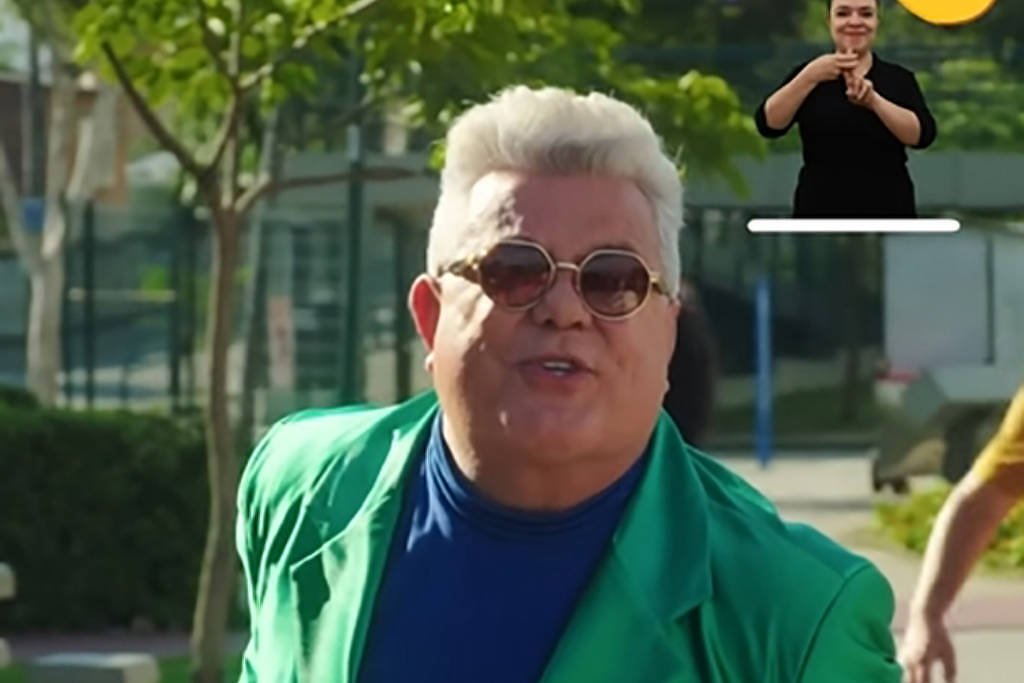
Another 12 names participated in the actions without receiving federal payments or through partnerships with big techs hired by Secom, a list that includes presenter João Kleber. He starred in propaganda of the government about “Loyalty Test to Brazil”.
João Kleber’s participation was offered by Kwaia company that received at least R$19.5 million in advertisements from Secom and ministries last year.
Secom states that the hiring of influencers reflects the new media consumption habits of Brazilians when searching for information, “with a significant increase in the time dedicated to browsing social networks and audience engagement in publications of this profile”.
The ministry also says that they are remunerated with the production budget of the campaigns and through agencies that were tendered by the government.
The government Jair Bolsonaro (PL) also hired influencers from 2019 to 2021, paying at least R$670 thousand, considering values adjusted for inflation. The previous administration interrupted the practice after being questioned, among other points, by the production of content defending “early care” about Covid-19, that is, a speech that integrated the denialist approach and Bolsonaro’s anti-vaccine about the pandemic.
Another way to explore names with media projection that is adopted by different governments is through merchandising on TV and radio programs. The previous administration adopted this format to pay the presenter Bolsonarist Sikêra Jr., for example, while Lula’s Secom hired Ratinho to defend flags of the PT government.
The focus on influencers contrasts with that of Sidônio’s predecessor, Paulo Pimenta (PT), who went on to say at a meeting in the Chamber of Deputies in 2023 that the government did not work with “paid influencers”.
Under Sidônio, Secom also began to direct more than 30% of advertising budget for websites and digital platformscompared to around 20% in the previous administration. With the change, digital channels received at least R$234.8 million of the approximately R$681 million distributed in advertisements by the secretariat and ministries last year.
The fees were presented to the reporter through a request based on the Access to Information Law. In the first stages of the process, Secom only showed the names of the influencers. After an order from the CGU (Comptroller General of the Union), given in a third instance appeal, the secretariat published the payments.
Last year, actress Dira Paes starred in the campaign about secure cell phone appwhich allows devices to be blocked from victims of theft or loss. Actress on TV Globo, she is part of the CDESS (Council for Sustainable Economic and Social Development) of the Lula government, known as “Council”. Also acted as the mother of the President of the RepublicMrs. Lindu, at the Acadêmicos de Niterói parade at Carnival 2026.
In a statement, the actress’s advisor confirmed the value and said that the campaign ran nationally for a year on TV, radio and Internet.
Milton Cunha recorded two videos aimed at the public in Rio de Janeiro and extolling the increase in surgeries in the SUS. Globo removed the carnival of the presentation of the painting Enredo e Samba, shown on RJ1, the broadcaster’s local news program in the capital of Rio de Janeiro, after the recording, as showed the Sheet. Cunha’s advisor was sought, but did not respond.
Secom also allowed, in 2025, content producers on digital platforms to register with Midiacad, which is a department system that centralizes communication vehicles that can receive federal advertising.
To enter the system, influencers must present data on the volume of followers and access to their networks, in addition to a media delivery report. Secom advises that the producer, “when portraying a personal experience, be genuine and contain a true presentation of the product or service advertised”.
According to figures released by Secom, history professor and comedian Matheus Buente received the largest sum in payments (R$ 124.9 thousand) among influencers. He was the protagonist of videos about Brazil’s exit from the Hunger Map and about Pix.
The government also paid influencers Morgana Camila (R$ 119.25 thousand), Vitor DiCastro (R$ 90 thousand), Anaterra Oliveira (R$ 50 thousand) and Rodrigo Góes (R$ 50 thousand) to work in advertising campaigns. Gabriela Ferreira, Giovana Fagundes and Matheus Sodré received R$40,000 each, according to Secom.
Matheus Buente said that the amount was paid for the production and dissemination of two videos and that the content aimed to “explain, in an accessible way” public policies. He said he was given “complete creative freedom” in crafting the material.
Influencer Rodrigo Góes stated that he participated in Ministry of Health campaigns on vaccination and blood donation, the latter of which was carried out without remuneration. He said that the payment is in line with market practices and that the campaign was built based on the language he uses on the networks, without losing its informative nature.
Actress and comedian Giovana Fagundes stated that she follows good market practices and identifies sponsored content. He also said that he selects works aligned with his principles and with institutions and brands that he knows and believes in.
Secom states that influencer Laura Sabino received R$40,000 to produce four videos. When contacted, she said the amount was incorrect, but did not say how much she received. Laura said that the work carried out was not intended to promote President Lula or defend the government, but to guide and contribute to ensuring that rights reach those in need.
The other influencers mentioned were contacted, but did not speak out.
Values disclosed by Secom through the Access to Information Law
- Says Paes: R$470 thousand
- Milton Cunha: R$ 310 thousand
- Matheus Buente: R$ 124.98 thousand
- Morgana Camila: R$ 119.25 thousand
- Vitor diCastro: R$ 90 thousand
- Anaterra Oliveira: R$50 thousand
- Rodrigo Góes: R$50 thousand
- Gabriela de Oliveira Ferreira: R$40 thousand
- Giovana Fagundes: R$40 thousand
- Matheus Sodré: R$40 thousand
*Secom informs that influencer Laura Sabino received R$40,000 for 4 videos. She said the amount was incorrect, but did not confirm how much she received. Another 46 influencers received from R$1,000 to R$35,000.